


Treatment of bruxism
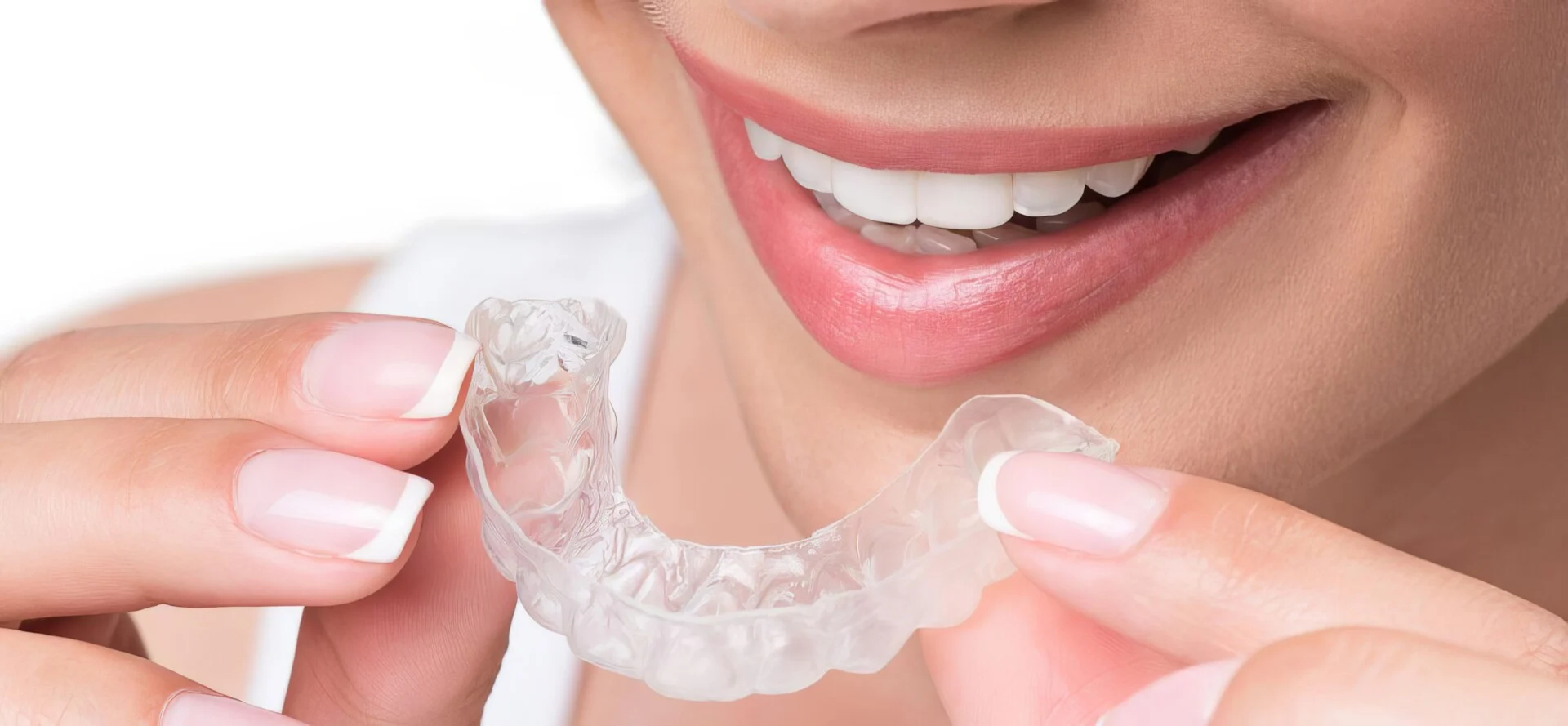
What is bruxism?
Bruxism is a condition whose primary symptom is teeth grinding or, simply put, jaw clenching. Often, bruxism remains undiagnosed until dental problems arise as a result of this disorder, as the repeated friction of teeth against each other can lead to loose teeth, enamel damage, and the appearance of cracks or cavities.
Bruxism falls into the category of parafunctional oral activities (those that do not have a functional role, such as speaking, chewing, or swallowing). This category also includes other similar issues, such as biting the lips or cheeks, chewing on objects or fingernails, etc.
Types of bruxism
Depending on the time of day it occurs, bruxism is divided into two categories:
Nocturnal bruxism
Daytime bruxism
Causes and Risk Factors
The causes of bruxism can vary from case to case, but among the most common are:
- anxiety, periods of stress, mental or emotional tension and other strong feelings that are difficult to control;
- chronic fatigue or insomnia, which can cause the aforementioned states of tension;
- tooth replacement and the formation of permanent teeth;
- improper dental occlusion – when the alignment of the dental arches is incorrect, patients are often at risk of developing bruxism;
- taking certain medications, such as antidepressants;
- hyperactivity disorders, such as ADHD (attention deficit hyperactivity disorder), Parkinson’s disease, or epilepsy;
- addictive habits (smoking, alcohol or drug abuse);
- certain muscle or facial nerve disorders;
- genetic factors – sometimes bruxism is passed down to subsequent generations.
Bruxism in Children
Statistically speaking, bruxism occurs more frequently in children and adolescents and is therefore closely linked to growth periods. In children, grinding teeth at night may be due to the transition from primary to permanent teeth, in which case it will disappear on its own over time.
As with adults, bruxism in children can sometimes be caused by psychological stress or emotional trauma. In this case, it is recommended to try treating the triggering factors to achieve satisfactory results regarding the bruxism.
Complications
When left undiagnosed for a long time, bruxism can cause a range of problems, some of which can be difficult to treat:
- cracks in the tooth enamel or even broken dental crowns;
- cavities developed due to enamel damage;
- tooth sensitivity;
- headaches;
- facial muscle pain;
- jaw joint problems – the patient cannot close or open their mouth completely or has difficulty doing so;
- jaw weakness.
Essentially, while the complications caused by bruxism do not pose a high risk to the overall health of affected patients, they certainly cause discomfort. Dental problems can quickly become risky, so it is recommended to visit your dentist every six months as a preventive measure.
Treatment
Prevention
Bruxism can be prevented. Whether it is the prevention of this disorder in general or preventing the recurrence of bruxism episodes, there are several methods that can be used to keep it under control:
- improving sleep quality by adopting a healthy routine every night (sleep hygiene), which includes: avoiding the use of electronic devices at least 30 minutes before bed, avoiding alcohol or caffeine in the second half of the day, and creating a sleep-friendly environment;
- reducing stress levels as much as possible;
- visiting the dentist at least twice a year to constantly monitor the condition of the teeth;
- avoiding excessive use of chewing gum, as this contributes to stimulating the jaw muscles.
Regardless of its causes, bruxism is a medical problem that causes discomfort and, over time, can jeopardize dental health.
Preventing dental problems caused by bruxism is particularly beneficial and requires regular visits to the dentist, as well as changes in habits and lifestyle.
Why choose BalCare Dental Clinic for bruxism treatment?
BalCare is an established dental clinic with experience in treating bruxism in Sofia. We work with some of the best orthodontic and gnathology specialists in Bulgaria, who use modern technology and an individual approach to every patient. Thanks to our expertise and many successful treatments, we are a reliable partner on the path to a smile without compromises.
