


Gnathology
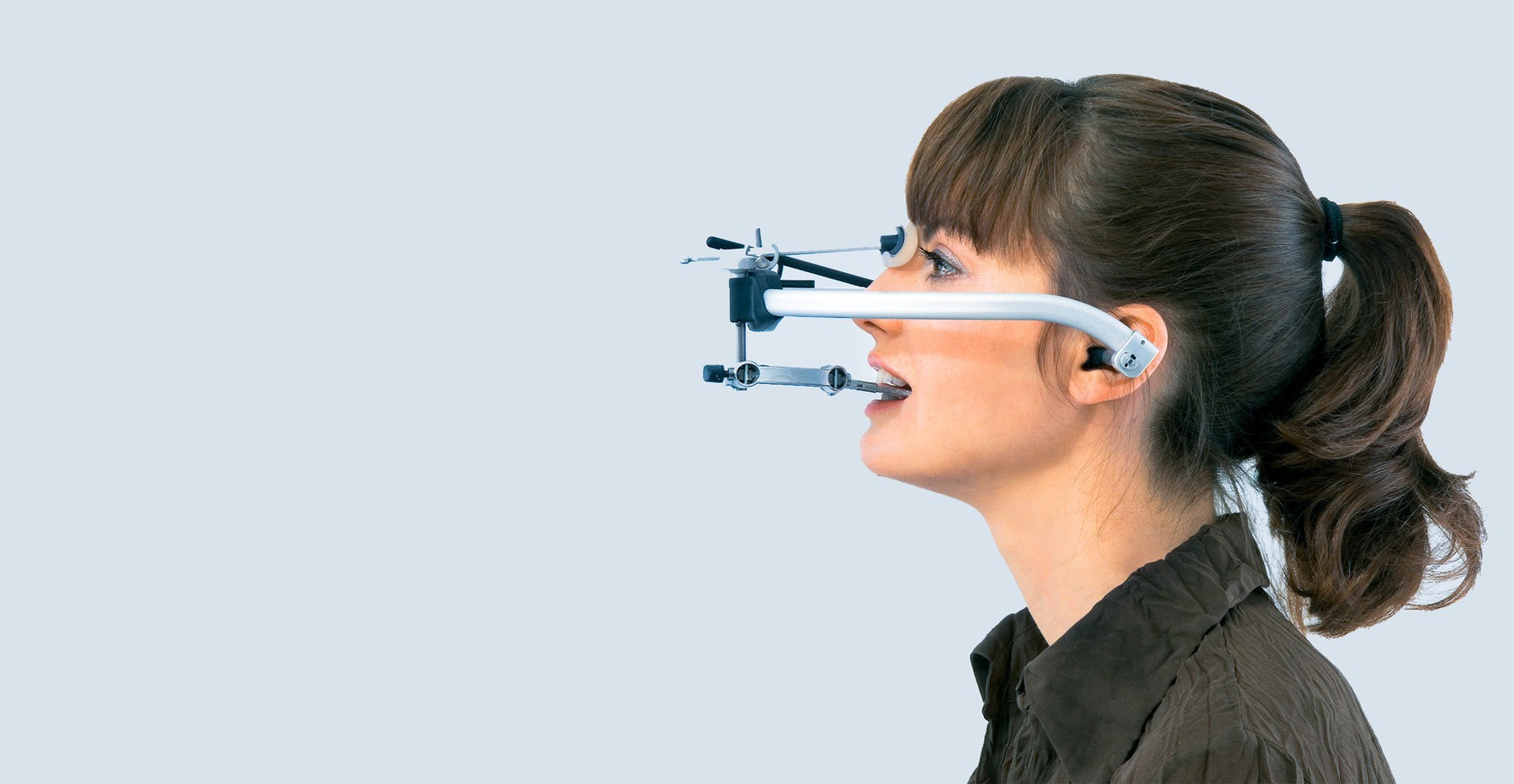
Occlusion – the study of the functions of the masticatory system and the health of the temporomandibular joint
Gnathology is a highly specialized field of dentistry that deals with the functions of the masticatory system and the disorders arising from its improper operation. At the center of gnathological diagnostics and treatment is the temporomandibular joint (TMJ)—the key connection between the lower jaw and the skull.
The primary focus of gnathology is craniomandibular dysfunction (CMD)—a condition that occurs when the interaction between the jaw, muscles, and joint is disrupted. CMD is the cause of a range of complaints that are often underestimated or mistaken for other conditions.
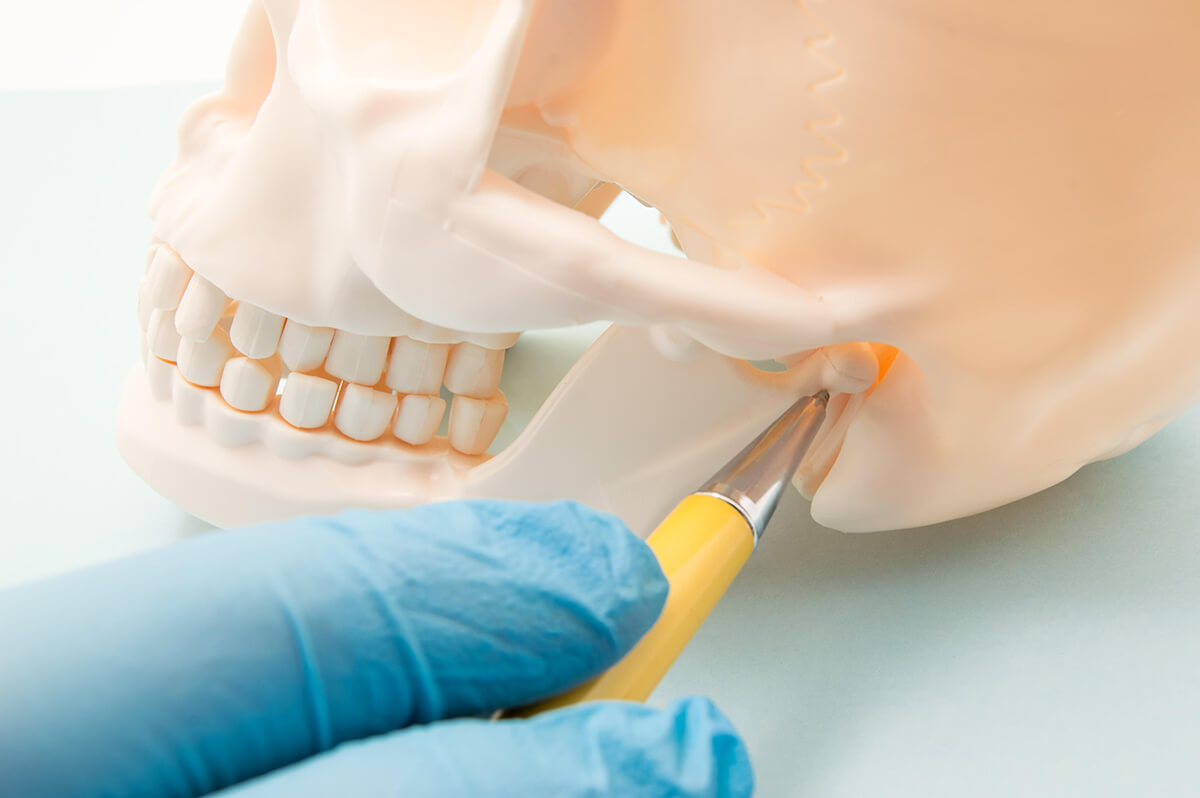
Symptoms of disorders of the masticatory system and TMD
Functional disorders of the masticatory system and the joint can manifest through various symptoms, often outside the oral cavity:
-
chronic or migraine headaches;
-
pain in the jaw and facial muscles;
-
clicking or popping in the temporomandibular joint;
-
limited or painful opening of the mouth;
-
tension in the neck and shoulders;
-
muscle cramps and back pain;
-
ringing in the ears (tinnitus);
-
toothache without a visible dental cause.
These symptoms are often the result of an imbalance between the teeth, muscles, and joints, and due to the connections of muscle chains, they can even affect the spine and posture.
Why is TMS health so important?
The proper function of the teeth, masticatory muscles, and TMJ is crucial not only for the oral cavity but also for overall health. Disruptions in this system often lead to problems affecting other parts of the body.
Craniomandibular dysfunction (CMD) and myoarthropathy
The term CMD refers to disorders in the interaction between the skull and the lower jaw. In practice, the term myoarthropathy is also frequently used, denoting the simultaneous involvement of the muscles and joints in the jaw area.
The most common predisposing factors for CMD are:
-
improper bite;
-
stress and chronic tension;
-
bruxism (teeth clenching and grinding);
-
trauma to the teeth and jaw.
In the absence of timely gnathological diagnosis, these conditions can become chronic and significantly impair quality of life.
Why is CMD often mistaken for other conditions?
Symptoms of CMD can mimic neurological diseases, fibromyalgia, or otorhinolaryngological problems. This often leads to incorrect diagnoses and the prescription of treatments that do not address the root cause.
This is why precise gnathological diagnostics are necessary, including:
-
clinical examination;
-
functional analysis of the bite and joint;
-
imaging studies (MRI, CT) if necessary.
How does gnathology help patients?
-
eliminate chronic headaches and jaw joint pain;
-
restore normal bite and masticatory function;
-
reduce tension in the neck and shoulders;
-
improve sleep and concentration;
-
prevent excessive tooth wear;
-
enhance overall quality of life.
Treatment methods include:
-
individually crafted bite splints;
-
orthodontic treatment for malocclusion;
-
physiotherapy for muscle balance;
-
a multidisciplinary approach involving dentists, neurologists, ENT specialists, and physiotherapists.
| Disease / Condition | Symptoms (TMJ focus) | Age Groups | Causes | Who seeks a gnathologist |
|---|---|---|---|---|
| Temporomandibular Joint (TMJ) Dysfunction | Pain when opening/closing the mouth, popping and clicking, limited movement | 20–50 years | Malocclusion, jaw trauma, chronic teeth clenching | People with pain when chewing or limited mouth opening |
| Craniomandibular Dysfunction (CMD) | Headaches, migraines, muscle tension, bite problems | 25–55 years | Discrepancy between the skull and lower jaw, stress, orthodontic issues | Office workers, people under constant stress |
| Bruxism (teeth clenching and grinding) | Tooth wear, morning jaw pain, tense muscles | 18–45 years | Stress, anxiety, sleep disorders | Young professionals, students, people in dynamic environments |
| Traumatic or Congenital TMJ Changes | Facial asymmetry, jaw locking, difficulty chewing | Children (10+) and adults | Congenital anomalies, sports injuries, dental trauma | Athletes, children and adolescents with orthodontic problems |
| Otorhinolaryngological Manifestations of TMJ | Tinnitus, dizziness, pressure in the ears | 30–60 years | Joint dysfunction, muscle imbalance, malocclusion | Intellectual professions, people requiring high concentration |
| Secondary Postural Disorders from TMJ | Neck, back, and shoulder pain, poor posture | 25–50 years | Malocclusion, muscle imbalance, prolonged sitting | IT specialists, office workers, athletes |
| Toothache Without Visible Cause | Pain in the absence of cavities or periodontitis | 20–45 years | TMJ dysfunction, improper bite loading | Patients who have seen various dentists without successful treatment results |
Frequently Asked Questions
- What are the main areas of gnathology?
- Why is gnathology important to dentistry?
- What are the main components of the maxillofacial system?
- How does gnathology help patients?
Temporomandibular Joint (TMJ)
Gnathology focuses on the anatomy, physiology, and function of the joints that connect the lower jaw to the skull. TMJ disorders can cause clicking, pain, limited mouth opening, tinnitus, and chronic headaches.
Masticatory Muscles
The muscles that move the lower jaw play a key role in the proper functioning of the bite. In cases of malocclusion, they often become overloaded, leading to pain, muscle spasms, and tension in the neck and shoulders.
Occlusion (Bite)
Occlusion is the way the upper and lower teeth contact each other. Improper contacts between teeth lead to malocclusion, which can cause tooth wear, cracks, sensitivity, recession, and serious TMJ problems. Balanced occlusion is essential for chewing, speech, comfort, and the longevity of prosthetic restorations.
-
Precise Diagnostics
Gnathological diagnostics are key to identifying problems with the temporomandibular joint, malocclusions, and dysfunctions in the masticatory apparatus. This establishes the exact cause of jaw pain, headaches, or muscle complaints. -
Individual Treatment Planning
The principles of gnathology are fundamental when planning orthodontic therapies, prosthetic restorations, implant treatments, and maxillofacial surgery. This ensures harmony between functionality and aesthetics. -
Prevention of Complications
Timely gnathological intervention can prevent serious problems such as bruxism, muscle spasms, joint locking, and tooth wear. -
Successful Communication with the Dental Laboratory
When the dentist and dental technician work according to gnathological principles, the fabrication of crowns, bridges, and dentures becomes more precise, with predictable results and durability.
The maxillofacial system is a complex mechanism in which each element performs a different function:
- The teeth facilitate the process of chewing food.
- The temporomandibular joint connects the lower jaw to the skull.
- The masticatory muscles allow the jaw to move.
- The nervous system controls the coordination of movements.
- The periodontium is the supporting apparatus of the tooth.
All these components work in close cooperation to form a single functional system. Any disturbance in the operation of one element can lead to dysfunction of the entire system. This is why it is so important to conduct regular preventive check-ups and address problems promptly.
- Restores proper bite function
- Relieves jaw pain, headaches, and muscle tension
- Improves sleep, speech, and concentration
- Protects against tooth wear and fractures
- Ensures a comfortable and stable smile
