


Treatment of temporomandibular joint (TMJ) disorders
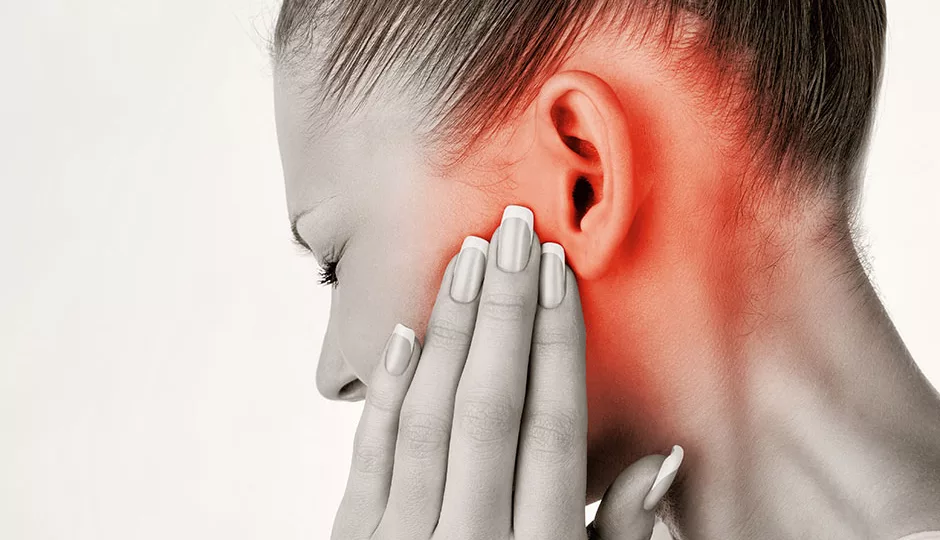
What is the temporomandibular joint (TMJ)?
The temporomandibular joint (TMJ) is located between the lower jaw and the temporal bone. It consists of a series of ligaments, muscles, bones, and articular discs responsible for the proper functioning of the jaw during its movements. This joint enables chewing, as well as all other movements the lower jaw can perform. The temporomandibular joint plays an essential role in our lives, being one of the most important systems in the human body. We have two, one on each side of the head. They can vary in shape, size, and function. The joints work in synergy with the cervical vertebrae, facial bones, and various muscles to allow the mouth to open and close, move left and right, forward and backward, and rotate.
Any change in this system can be associated with temporomandibular joint dysfunction, and the expertise of an orthodontist is required to correctly identify the cause of the problems.
Patients often experience a clicking sound in this area when opening or closing their mouths. They may also feel muscle tension or stiffness, especially in the morning. These are the first and most common symptoms and are usually the reason patients seek medical attention.
The cause of these symptoms is most often the displaced position of the mandibular condyles within the joint. The temporomandibular joint consists of:
- cranial elements;
- mandibular elements (mandibular condyle);
- joint elements (joint capsule, ligaments, and articular discs).
- The mandibular condyle is the upper end of the posterior process of the mandibular ramus. It is shaped like a truncated cone with a large base oriented upwards and acts as an axis for mandibular movements.
How can we tell if we have a problem with the temporomandibular joint? Symptoms:
Bruxism is common in patients suffering from TMJ disorders, and the orthodontist will notice during the initial consultation whether the teeth look normal or show signs of wear from teeth grinding.
Joint noises that occur at various times (sounding like a click), especially when opening the mouth.
Frequent headaches, migraines, or other localized pain in the jawbones and facial muscles, which are usually intermittent and subside with the use of anti-inflammatory medication.
Pain when yawning, when the mouth is wide open, manifesting as muscle tension in the cheek area. Sometimes this can be accompanied by regional noises (popping).
Jaw locking usually occurs in the morning, immediately after waking up. The patient complains of being unable to open their mouth normally, and this sensation can last for several minutes.
A correct and complete diagnosis can be made after a series of examinations (X-rays, CBCT, clinical examination).
Causes of temporomandibular joint disorders
In most cases, it is a matter of tooth misalignment requiring orthodontic treatment, and the contributing factors are:
- chronic stress and muscle tension;
- aging and joint wear;
- head and neck injuries;
- trigeminal neuralgia;
- tooth or jaw deformities;
- inflammatory joint disease.
Childhood trauma is the second most common cause, but regardless of the reason for their appearance, it is necessary to evaluate and determine the next steps in therapy.
How is the examination performed?
During an orthodontic consultation, the temporomandibular joint can be examined by the specialist through palpation as follows: the joint area is examined, identifying painful points in the cervical muscles to observe any changes in the position of the condyles; the diagnosis can be confirmed using dental X-rays or computed tomography.
Treatment of temporomandibular joint (TMJ) disorders
Expertise
- Treatment is performed by experienced specialists in gnathology, dental medicine, and maxillofacial diagnostics.
- At BalCare, we work with established methods based on international protocols for the treatment of temporomandibular dysfunction (TMD).
- Our team regularly undergoes additional training and works collaboratively with physiotherapists, neurologists, and ENT specialists when necessary.
- We use latest-generation equipment: Teethan EMG, Medit intraoral scanner, Semorr microscope, as well as custom splints made with KeyPrint 3D printing.
Experience
- Over 12 years of clinical experience in treating TMJ syndromes, including painful and functional conditions
- Hundreds of successfully treated patients with chronic pain, joint clicking, limited mouth opening, tinnitus, and dizziness
- We apply a non-invasive approach, combining functional analysis, muscle relaxation, and splinting
Authority
- BalCare is a dental clinic with a focus on functional dentistry and gnathology
- We partner with established medical structures for cases requiring a multidisciplinary approach
- Participation in scientific forums and publications related to TMJ and craniomandibular dysfunctions
Reliability
- Individually tailored treatment plan following a detailed functional analysis (including EMG diagnostics and occlusal assessment)
- Detailed medical history with a focus on pain, stress, clenching/bruxism habits, and previous traumas
- Open communication with the patient: explanation of every therapeutic step, expectations, and options
- Protection of personal data and GDPR compliance
