


Orthodontic appliances
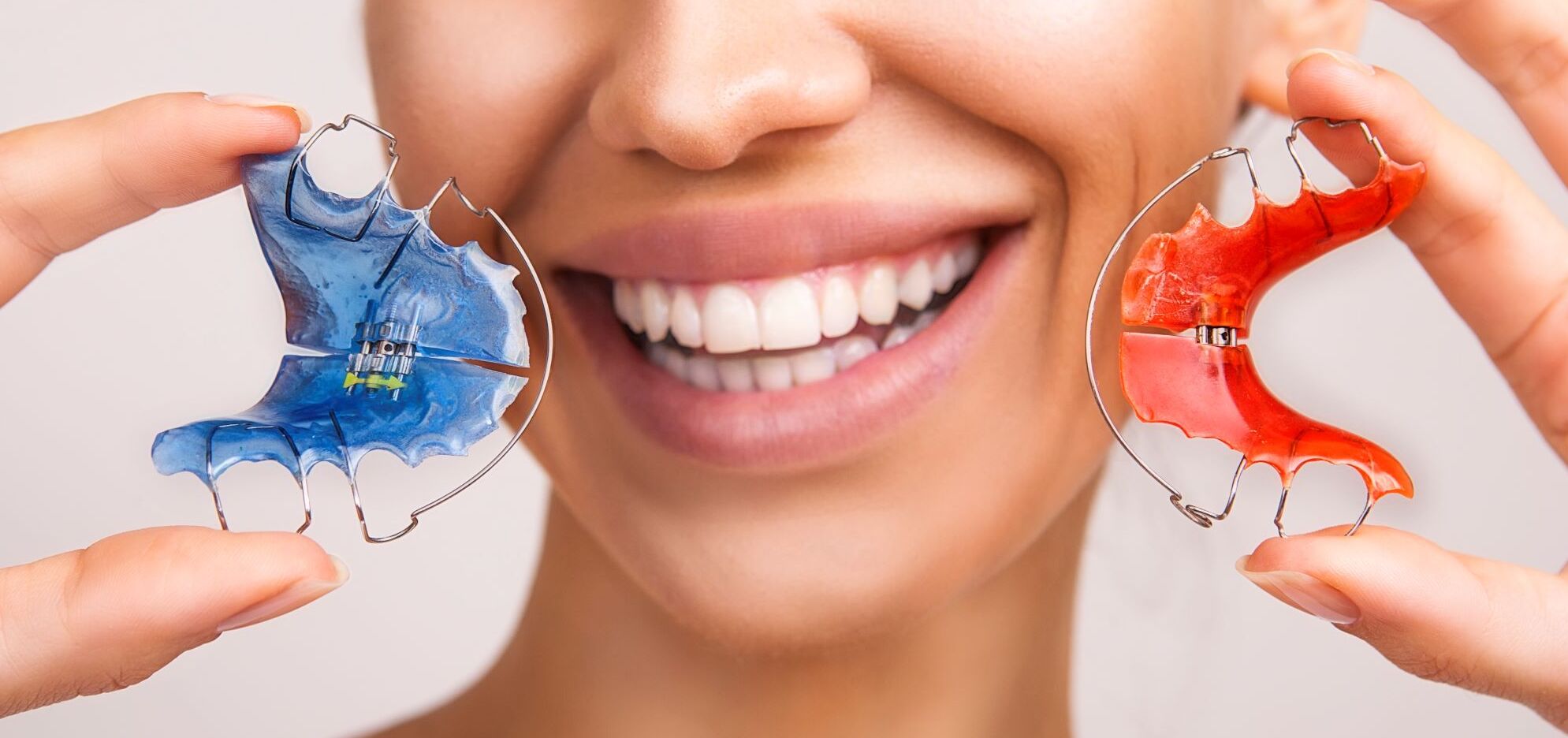
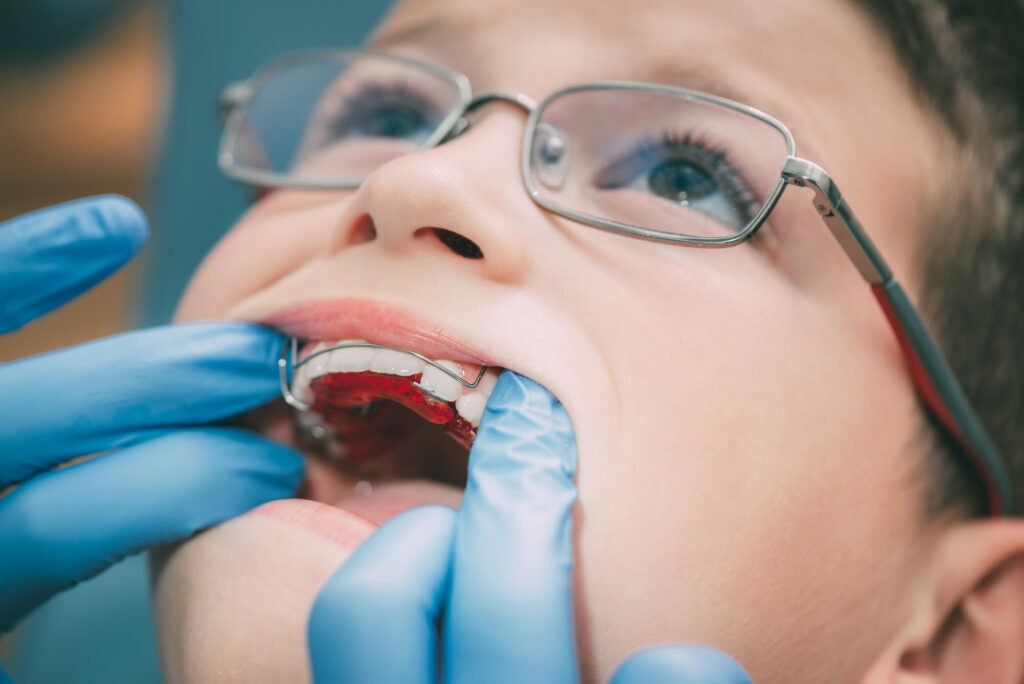
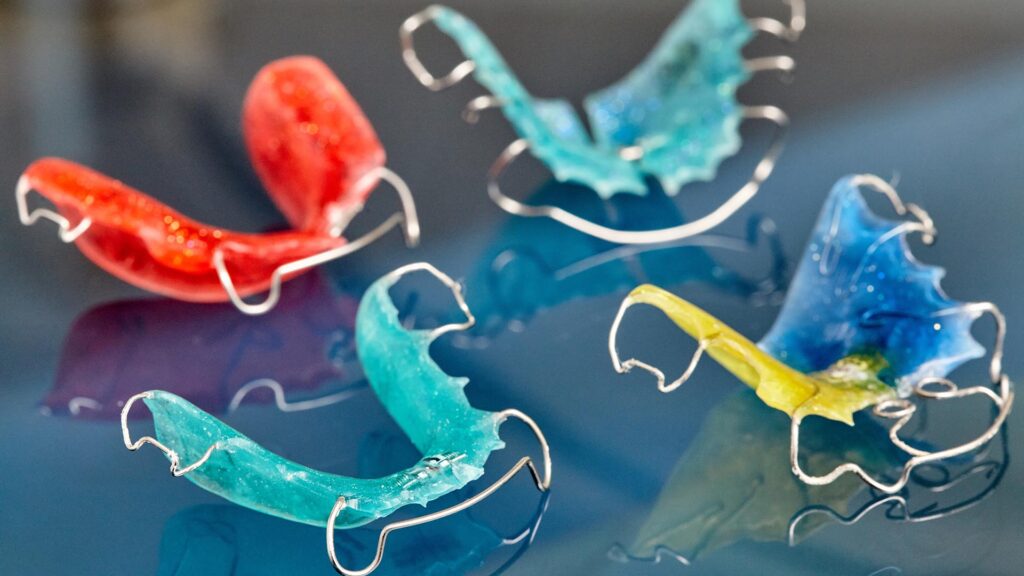
Functional orthodontic appliances are dental plates designed to correct the dental arch and bite. They are custom-made for each patient from soft or hard silicone materials. Their main advantage is the ability to be removed and put back in, making them convenient to wear and maintain.
Orthodontic appliances fall under the early treatment of dentofacial deformities, which begins in early childhood (ages 5-6) and concludes around the child’s 11th or 12th year. This is also referred to as preliminary treatment, as it often precedes late orthodontic treatment or treatment with braces.
With functional orthodontic appliances, we have the opportunity to support the overall development of the patient’s facial skeleton and increase the success rate of non-extraction treatments.
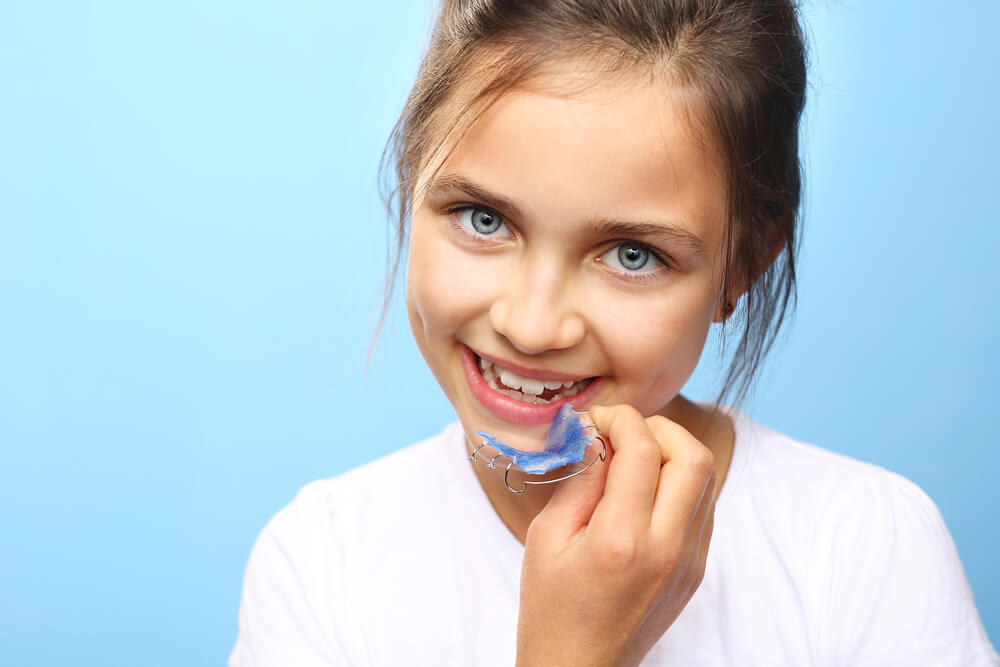
Types of splints
Orthodontic appliance for bite correction
These plates are used to correct an improper bite, crowding of teeth, or large gaps between them. They exert pressure on the jaw in the correct direction, gradually correcting the position of the teeth.
Sports protective gear
Athletes and individuals involved in physical activities often use mouthguards to protect their teeth from trauma. They absorb the force of impact and distribute it evenly across the jaw, protecting the teeth from breaking or being displaced.
Bruxism mouthguards
Bruxism is a condition where a person unconsciously clenches or grinds their teeth, especially during sleep. This can lead to tooth wear and jaw pain. Anti-bruxism plates are highly recommended for patients with metal-ceramic or zirconium bridges, acting as night guards that prevent the ceramic or zirconium from fracturing due to nocturnal clenching.
Teeth-whitening trays
In professional teeth whitening, special trays are used to hold the whitening agent. The patient wears them for several hours a day at home until the desired effect is achieved.
Benefits of Orthodontic Appliances
- Early intervention and prevention:
- Easier oral hygiene:
- Comfort and convenience:
- Removable when needed:
- Jaw expansion
- A shorter and more effective orthodontic process:
- Safe:
Removable orthodontic appliances allow for early intervention in jaw growth and tooth positioning. This enables the correction of malocclusions (improper bites) while the child is still growing, avoiding more serious problems in the future.
Since the appliance is removable, maintaining good hygiene is significantly easier compared to fixed braces. Children can clean their teeth and the appliance separately, reducing the risk of plaque buildup, cavities, and gum inflammation.
Removable appliances are often more comfortable and less irritating to the gums and cheeks. They can be removed during meals or sports, which reduces the risk of injury.
Early treatment with a removable appliance can reduce the time required to wear braces or even make that stage easier and faster in the future. Early intervention also reduces the risk of serious orthodontic problems in adulthood.
Made from high-quality materials that do not cause allergies or irritation.
Why choose BalCare Dental Clinic for orthodontic treatment?
Whether you are a teenager, a working professional, or a retired senior, your smile can be improved with an orthodontic appliance.
At Bal Care Dental Clinic, we always strive to provide peace of mind to our patients. Entrust your smile to the professionals.
Interest-free deferred payment plans for orthodontic appliances.
We can provide financing for your treatment through our partnership with reputable national financing organizations under favorable terms. The benefit for you is that you can start your treatment immediately. The result of this optimization is effective treatment of an improper bite with braces and easy-to-pay monthly installments without added interest.
How to care for orthodontic appliances (braces)?
When wearing removable appliances (plates), both the teeth and the appliances themselves must be cleaned. Teeth must be brushed every morning and evening, and at least rinsed after meals before reinserting the appliances.
The orthodontic appliance should be cleaned morning and evening with a dedicated brush and toothpaste; once a week, it should be soaked in an appliance solution, which you can obtain from a pharmacy in the form of cleaning tablets for dentures and plates.
One tablet is dissolved in a glass of cold water, and the appliances are soaked in it for 30–40 minutes, after which they are rinsed thoroughly with water and used. When the appliances are not in the mouth, they should be stored in the case provided by the orthodontist.
Appliances should not be washed with hot water or boiled, as they will deform.
Frequently Asked Questions About Orthodontic Braces
- What is the difference between orthodontic appliances (aligners) and braces?
- How is the price determined?
The cost of treatment depends on many factors: orthodontic diagnosis, the patient’s dental status, age, the orthodontist’s expertise, estimated treatment duration, and the orthodontic techniques and materials used.
Sometimes treatment may proceed in several stages using different types of appliances. Orthodontic treatment does not only include the placement of a specific appliance—added value lies in the “invisible” work of every team member, the details in overall patient service, and the care regarding the retention of the final result.
For a price to be fixed, it would mean that the treatment is absolutely identical and repeatable for every patient. This is simply not the case.
Every patient has individual characteristics: different types of bites, different jaw relationships, dental status (the condition and health of the teeth), age, and more.
The type and cost of treatment depend on each patient’s individual case.
