


Root Canal Treatment
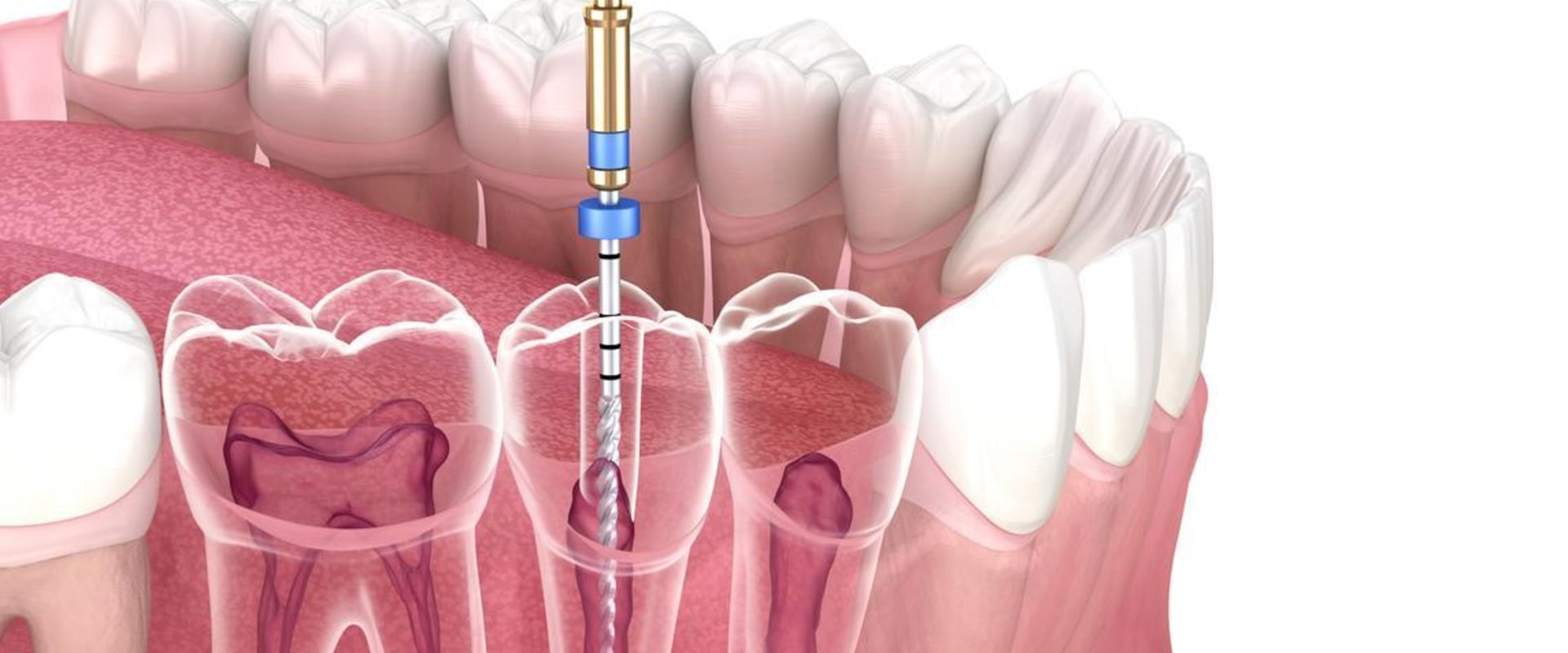
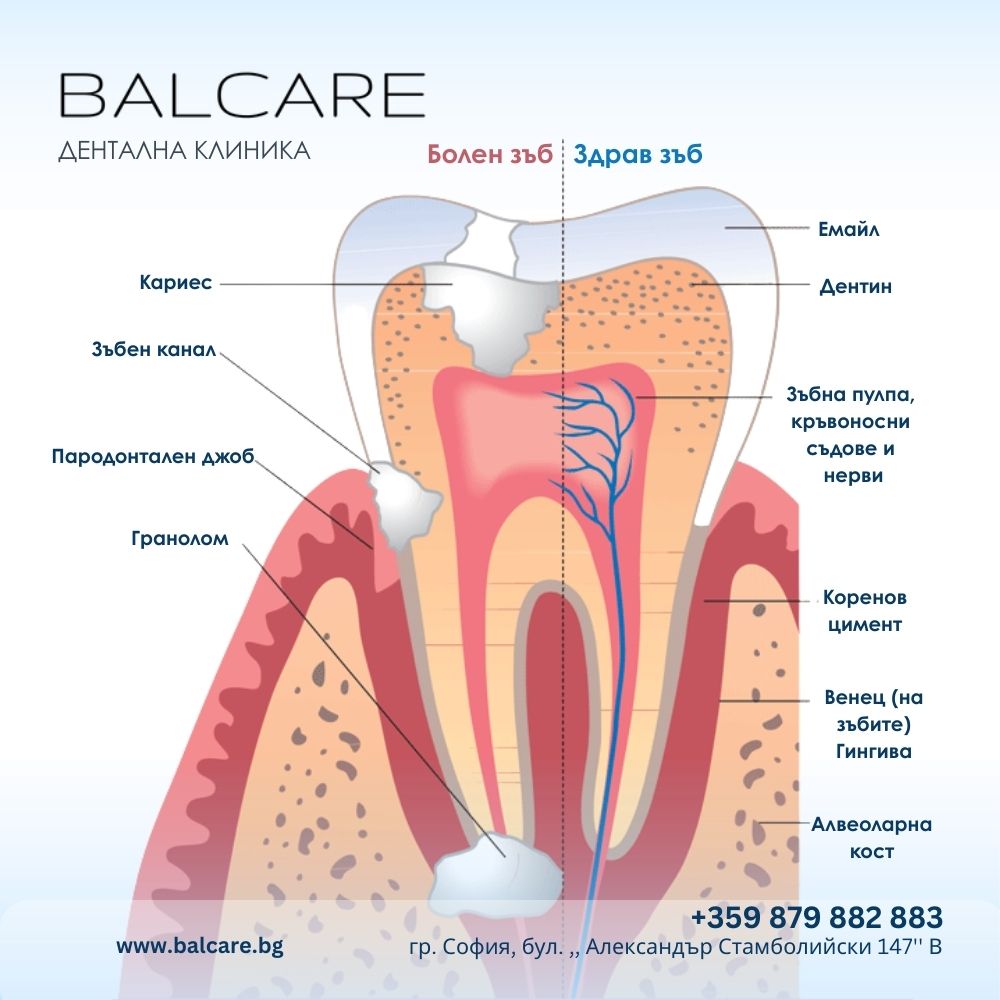
Root canal treatment (endodontics) is one of the most important procedures in modern dentistry. It is performed in cases of inflammation or infection of the dental pulp and periodontium—conditions that most often result from untreated cavities. Endodontic treatment is aimed at preserving the tooth, eliminating pain, and preventing more serious complications.
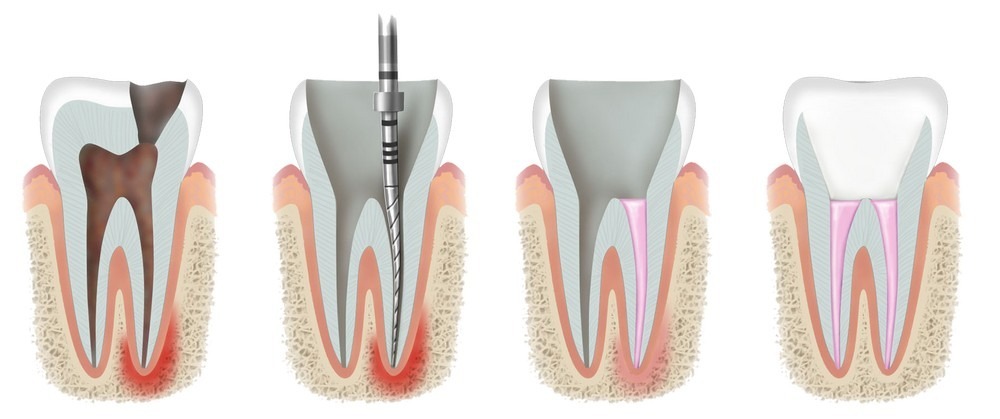
Root canal treatment involves the removal of the material located inside the tooth: the dental pulp, which consists of nerves, blood vessels, and more. The tooth is opened, the root canal is processed—the nerve is removed and a filling is made. This is followed by the widening of the root canal, irrigation with disinfectant solutions, and then filling the root canal and placing a permanent filling. The most common complications of untimely endodontic treatment are related to the involvement of the tissues surrounding the tooth—bone and mucosa. Dead dental pulp and bacteria can lead to infection of the bone around the tooth and soft tissues, resulting in the formation of abscesses, granulomas, and tooth loss. The most common complications of untimely endodontic treatment are related to the involvement of the tissues surrounding the tooth—bone and mucosa.
The main indications for root canal treatment are periodontitis and pulpitis
Pulpitis can occur in various forms, with two clinical variants most commonly observed:
- Acute pulpitis – characterized by intense, often throbbing pain that intensifies at night. In the presence of a purulent form, the pain is particularly pronounced and may be accompanied by swelling and a feeling of pressure.
- Chronic pulpitis – proceeds more mildly, with discomfort during chewing, sensitivity to pressure or thermal stimuli, without pronounced pain. Patients often underestimate the symptoms and do not seek timely help.
Untreated pulpitis can progress to apical periodontitis, which is an inflammation of the tissues around the tip of the root.
Symptoms
There is a widespread opinion among people that damage to the dental canal is always accompanied by acute pain. This is one of the most common misconceptions. In more than 90% of cases, destructive processes in the pulp chamber occur with mild pain, sometimes only with discomfort. Patients come to the dentist with symptoms of a cavity, and the X-ray shows the need for root canal treatment. Symptoms that may suggest the need for treatment include:
- Severe pain when chewing
- Increased sensitivity to hot and cold
- Edema or swelling in the tooth area
- Discoloration of the tooth
Microscopic root canal treatment
Microscopic root canal treatment using a dental microscope ensures exceptional precision and efficiency.
The dental microscope significantly improves the visibility of even the smallest details of the patient’s teeth, which enhances the quality of work, minimizes risks, and ensures longer-term treatment results.
Root Canal Retreatment
Root canal treatment may also be necessary in cases where a tooth has already been treated, but due to incomplete or inaccurate processing of the canals, bacteria have remained in them. This leads to the development of a chronic infection in the periapical zone—often in the form of a granuloma or cyst.
In such cases, we perform retreatment, where the old canal fillings are removed, the canals are cleaned and disinfected again, and then obturated using a precise and hermetic method.
Benefits and Advantages of Modern Endodontic Treatment
Root canal treatment is not just a routine dental procedure, but a vital intervention with numerous clinical and long-term benefits for the patient. Modern endodontics utilizes precise methods and technologies that guarantee high success rates and a minimally invasive approach.
Preservation of the natural tooth
Root canal treatment allows for the preservation of the tooth in the dental arch without the need for extraction. This is the best possible scenario for the patient—to keep their own tooth instead of replacing it with an implant or prosthesis.
Prevention of infection spread
In cases of pulpitis or apical periodontitis, the infection can easily spread to surrounding tissues. Endodontic intervention eliminates bacteria from the root canal, stopping the spread of inflammation to the gums, bone, and adjacent teeth.
Pain relief
Many patients seek help due to acute, throbbing tooth pain. Root canal treatment permanently removes the pain symptoms associated with inflamed pulp or infected root structures.
Preservation of the jawbone
Tooth loss can lead to atrophy of the alveolar bone, which disrupts the overall structure of the jaw. Preserving the tooth through endodontic treatment maintains the natural density and volume of the bone.
Aesthetic advantages
After successful treatment, the tooth can be restored with an aesthetic crown or filling, which fully restores its function and appearance. This is especially important in the aesthetic zone (front teeth).
Long-lasting results
With properly conducted treatment and good hygiene, a tooth with a treated root can remain functional throughout the patient’s life. This avoids the need for more complex and expensive prosthetic solutions in the future.
Painless procedure
Modern endodontics utilizes local anesthesia and gentle techniques that make the procedure almost painless. Most patients are pleasantly surprised by the lack of pain during treatment.
Financial efficiency
Extracting a tooth is only the beginning—subsequent restoration with an implant, bridge, or prosthesis is time-consuming, often more expensive, and requires additional interventions. Root canal treatment is a more affordable and long-term cost-effective alternative that spares both your budget and your natural smile.
Why choose root canal treatment over tooth extraction?
The choice between extraction and treatment should always be made after a thorough examination and accurate diagnosis. In most cases, preserving the natural tooth through root canal treatment is the best solution, because:
- The surrounding dental arch is not disrupted
- The bite does not change
- Invasive surgery is not required
- The costs and inconveniences of dental implants are avoided
Modern root canal treatment is a safe, predictable, and effective way to preserve teeth. It combines the best of modern dentistry—from minimally invasive techniques to high-tech equipment—to achieve a long-lasting clinical result and patient satisfaction.
If you are experiencing pain, sensitivity, or swelling, do not delay your check-up—early diagnosis and timely treatment can save your tooth!
Prices for root canal treatment at BalCare Dental Clinic in Sofia
See all prices and packages on the Prices page
At Bal Care Dental Clinic in Sofia, we offer deferred payment for root canal treatment, which facilitates access to care.
Why choose BalCare Dental Clinic for root canal treatment?
Whether you are a teenager, a working professional, or a retired senior, your smile and dental health can be improved with root canal treatment.
At BalCare Dental Clinic, we always strive to provide peace of mind to our patients. Trust your smile to the professionals.
Installment payments for root canal treatment, with no added interest.
We can provide financing for your treatment through our partnership with reputable national financing organizations under favorable terms. The benefit for you is that you can start your treatment immediately. The result of this optimization is effective treatment of an improper bite with braces and easy-to-pay monthly installments without added interest.
Endodontics as part of a prosthetic treatment plan
Sometimes, even in the absence of an active infection, devitalization (killing the nerve) of the tooth is performed for preventive purposes—when the tooth will be used as a support for a crown, bridge, or other prosthetic construction. This decision is based on individual clinical analysis and aims to ensure long-term stability and a predictable result of the prosthetic treatment.
Frequently Asked Questions About Root Canal Treatment
- How can I find a good endodontist in Sofia?
- What is the difference between an endodontist and a dentist?
- What are the first signs that a tooth needs root canal treatment?
- Is it possible that I need a root canal without feeling any pain?
- What does the pain feel like when the dental pulp is inflamed?
- Why does a tooth hurt more at night?
- Could pain when chewing be a sign of root inflammation?
- Could pain when chewing be a sign of root inflammation?
- Could pain when chewing be a sign of root inflammation?
Finding a good endodontist in Sofia requires research, recommendations, and trust in experienced specialists. Endodontic treatment (root canal treatment) is a delicate and highly specialized procedure where the precision, technology, and experience of the dentist are of key importance.
When looking for a good endodontist, pay attention to the following:
- Proven experience in treating complex clinical cases
- Excellent patient reviews and proven results
- Detailed explanation of the diagnosis and clear communication at every stage
- A clean and modernly equipped dental clinic
✅ If you are looking for a good endodontist in Sofia, BalCare Dental Clinic meets all these requirements. The team of highly qualified endodontists works with the latest technologies
At BalCare Dental Clinic, patients receive a personalized treatment plan, painless treatment, and long-lasting results. The clinic features a sterile environment, professional attitude, and proven clinical experience—everything you need to trust us with confidence.
✔️ BalCare Dental Clinic – the right choice when looking for a good endodontist in Sofia.
A dentist is a “general specialist,” while an endodontist specializes in this specific branch of dentistry.
Treatments performed by endodontists are more complex than those performed by general dentists, which is why dentists who wish to practice this specialty at a high level participate in additional training programs after completing their university education.
A general dentist can perform endodontic treatment, but they cannot do it at the exceptional level of quality and professionalism that an endodontic specialist would achieve.
The first symptoms include severe, prolonged pain, especially at night, sensitivity to hot and cold, pain when chewing, and swelling of the gums around the affected tooth.
At night, blood pressure in the head area increases, which intensifies the throbbing pain in the tooth. The absence of other distractions also makes the pain more noticeable.
Yes, pain upon pressure or chewing often indicates inflammation of the periodontium—a condition that requires root canal treatment.
With pulpitis, the pain is throbbing, spontaneous, and intensifies at night. With periodontitis, the pain is more often localized during pressure and chewing, can be dull, and the tooth is sensitive to touch.
No. The subsiding of pain can mean necrosis (death) of the dental pulp. This is not a cure, but a transition into a chronic form, which can lead to an abscess or cyst without symptoms.
