


Baby Tooth Extraction (Primary Tooth Removal)
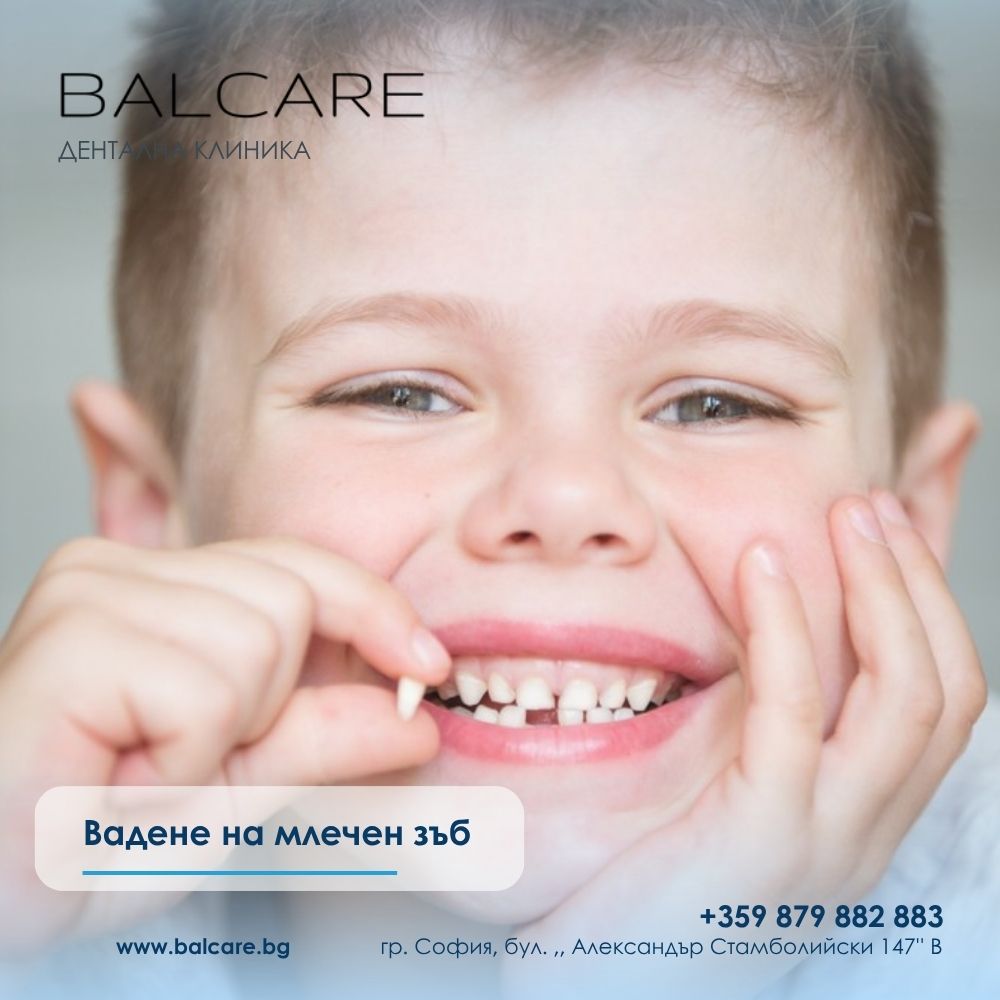
Baby Tooth Extraction (Primary Tooth Removal)
Baby teeth, also known as primary teeth, play an important role in a child’s oral development. Although they are temporary, they help children chew and speak properly, maintain space for the permanent teeth, and contribute to the development of a healthy bite.
In most cases, baby teeth become loose and fall out naturally as the permanent teeth begin to erupt. However, there are situations in which a primary tooth may need to be removed by a paediatric dentist.
In this article, we explain when baby tooth extraction may be necessary, what happens during the procedure, whether it is painful, and what parents should know before and after treatment.
When Does a Baby Tooth Need to Be Extracted?
A baby tooth should not be removed simply because it is temporary.
Whenever possible, primary teeth are preserved until they are naturally ready to fall out because they play an important role in maintaining space and guiding the eruption of the permanent teeth.
Extraction may be recommended when a baby tooth:
- has extensive decay and cannot be predictably restored;
- has developed a significant infection or dental abscess;
- has severe pulp involvement that cannot be successfully treated;
- remains in place and interferes with the eruption of the permanent tooth;
- has suffered significant trauma;
- needs to be removed as part of an orthodontic treatment plan.
The decision is always made individually after examining the child and considering the development of the permanent teeth.
What Happens Before a Baby Tooth Extraction?
Before removing a primary tooth, the child should be examined by an experienced paediatric dentist.
The examination may include:
- assessment of the child’s age and stage of dental development;
- evaluation of tooth mobility;
- examination for decay, infection, abscess, or pulpitis;
- assessment of the gums and surrounding tissues;
- an X-ray when necessary;
- evaluation of the developing permanent tooth underneath;
- assessment of whether the primary tooth is preventing normal eruption.
Radiographic imaging is not necessary in every case, but it can provide important information about the roots of the baby tooth and the position of the permanent successor.
When Do Baby Teeth Normally Fall Out?
The timing varies from child to child, but the transition from primary to permanent teeth usually begins at around the age of six.
| Approximate Age | What Parents May Notice |
|---|---|
| 5–7 years | Lower and upper front baby teeth begin to loosen and fall out |
| 6–8 years | Permanent incisors continue to erupt |
| 8–10 years | Mixed dentition with both baby and permanent teeth |
| 9–12 years | Canines and primary molars are gradually replaced |
| Up to approximately 12–13 years | Most primary teeth have been replaced by permanent teeth |
These ages are only a general guide.
Some children lose particular teeth earlier or later than others, and this does not automatically indicate a problem. The American Academy of Pediatric Dentistry describes the mixed dentition period as occurring approximately between the ages of 6 and 13.
If a baby tooth remains in place significantly longer than expected, particularly when the permanent tooth is already erupting, a dental examination is recommended.
What Is a Retained Baby Tooth?
Sometimes a permanent tooth begins to erupt while the corresponding baby tooth is still firmly in place.
This is known as an over-retained primary tooth.
Parents may notice the permanent tooth appearing behind or beside the baby tooth, especially in the lower front region.
This does not always mean that immediate extraction is necessary. The paediatric dentist will assess:
- how mobile the baby tooth is;
- where the permanent tooth is positioned;
- whether normal eruption is likely to occur;
- whether the retained tooth is affecting the developing bite.
When necessary, removing the retained primary tooth can help provide a clearer eruption pathway for the permanent tooth. Management of over-retained teeth should take into account the developing permanent successor and nearby structures.
How Is a Baby Tooth Extracted at the Dental Clinic?
Baby tooth extraction is generally a short procedure.
Depending on the individual case, the appointment may include:
- Clinical examination – the dentist assesses the tooth and surrounding tissues.
- X-ray if required – to evaluate the roots and the developing permanent tooth.
- Topical anaesthetic – an anaesthetic gel may first be applied to the gum.
- Local anaesthesia – the area around the tooth is carefully numbed when required.
- Gentle extraction – the tooth is removed using instruments specifically suited to paediatric dentistry.
- Bleeding control – a small piece of gauze is placed over the extraction site.
Because the roots of a primary tooth often undergo natural resorption before the tooth is lost, extraction of a loose baby tooth can be considerably simpler than extraction of a permanent tooth.
Is Baby Tooth Extraction Painful?
With appropriate local anaesthesia, the child should not experience sharp pain during the extraction.
They may feel:
- gentle pressure;
- movement;
- slight pulling.
Modern paediatric dentistry also places considerable emphasis on behaviour guidance and age-appropriate communication.
Explaining the procedure in a calm and child-friendly way can make an important difference to the child’s experience.
Paediatric oral surgery requires particular attention to developing anatomy, behaviour guidance, and the protection of neighbouring teeth and permanent successors.
Can a Loose Baby Tooth Be Removed at Home?
If a baby tooth is extremely loose and naturally ready to fall out, it may come out while the child is eating, brushing, or gently moving it with their tongue.
There is usually no need to force it.
Parents should avoid pulling a tooth that:
- is still firmly attached;
- causes significant pain when moved;
- is associated with swelling or infection;
- has broken;
- has been affected by trauma;
- appears to be preventing another tooth from erupting.
If there is any uncertainty, it is safer to have the tooth assessed by a paediatric dentist.
What Should You Do After a Baby Tooth Is Extracted?
After the extraction:
- ask the child to bite gently on the gauze provided by the dentist;
- avoid touching the extraction site with fingers or the tongue;
- follow the dentist’s instructions about eating and drinking;
- choose softer foods during the first few hours if the area is sensitive;
- avoid very hot food or drinks immediately after the procedure;
- maintain good oral hygiene while being gentle around the extraction site.
A small amount of bleeding shortly after extraction can be normal.
Contact the dental clinic if there is persistent bleeding, increasing swelling, significant pain, fever, or another symptom that concerns you.
What Happens If a Baby Tooth Is Removed Too Early?
Primary teeth serve an important space-maintaining function.
When a baby tooth is lost substantially earlier than expected, neighbouring teeth may gradually move into the available space.
In some cases, this can affect the space available for the permanent tooth.
Depending on:
- the child’s age;
- which tooth has been removed;
- the development of the permanent tooth;
- the child’s bite;
the dentist or orthodontist may recommend monitoring or, in selected cases, a space maintainer.
For this reason, premature extraction should always be based on a clinical indication rather than simply on the fact that the tooth is temporary.
When Should Parents Contact a Paediatric Dentist?
A dental examination is recommended if:
- a baby tooth is painful;
- there is swelling of the gum or face;
- pus or an abscess is present;
- the tooth has been significantly damaged by decay;
- a baby tooth remains firmly in place while the permanent tooth is erupting;
- the child has difficulty eating because of the tooth;
- a tooth becomes loose following trauma;
- there is uncertainty about whether the tooth should be removed.
Dental infections involving primary teeth may require pulp treatment or extraction depending on the condition of the tooth and surrounding tissues.
Frequently Asked Questions
Does It Hurt to Have a Baby Tooth Removed?
With appropriate anaesthesia, extraction should not be painful.
The child may feel pressure or movement during the procedure, and mild tenderness can occur afterwards.
Does Every Baby Tooth That Does Not Fall Out Need to Be Extracted?
No.
The timing of natural tooth replacement varies between children.
Extraction is considered when the retained primary tooth is interfering with the permanent tooth, causing symptoms, or presenting another clinical problem.
What If the Permanent Tooth Is Growing Behind the Baby Tooth?
This can happen, particularly with the lower front teeth.
A paediatric dentist should assess the mobility of the baby tooth and the position of the permanent tooth before deciding whether extraction is necessary.
Can an Infected Baby Tooth Affect the Permanent Tooth?
Because developing permanent teeth are located close to the roots of primary teeth, significant infection requires professional assessment and appropriate treatment.
Preserving the health of the surrounding tissues and developing permanent teeth is an important consideration in paediatric dental treatment.
Is an X-Ray Always Necessary Before Extraction?
No.
The need for an X-ray depends on the individual clinical situation.
Imaging may be useful when the dentist needs additional information about the tooth roots, infection, the permanent successor, or the surrounding anatomy.
Gentle and Individual Care for Every Child
For a child, tooth extraction is not only a dental procedure – it is also an experience that can influence how they feel about dental visits in the future.
For this reason, the approach should be gentle, calm, and appropriate for the child’s age.
At BalCare Dental Clinic, every case is assessed individually. The aim is not to remove a baby tooth simply because it is temporary, but to make the decision that best supports the health, comfort, and proper development of the child’s permanent teeth and bite.
