BalCare — чат


Dental Blog

Read our dental blog to learn more about your oral health, get tips on dental care, and discover helpful articles about your smile. We take pride in creating a friendly, positive dental environment where you can always feel comfortable under our care and guidance.

chelyust-detsko-razvitie-dentalna-klinika-balcare-1200x675.webp
13/Jul/2026

Why Proper Jaw Development Matters for Children – and What Adults Should Know About the Temporomandibular Joint

The jaws do much more than determine the alignment of the teeth and the appearance of the smile. Their development is closely related to the way a child chews, swallows, speaks, breathes, and sleeps.

An important part of this system is the temporomandibular joint (TMJ) – a small but complex joint involved every time the mouth opens and closes.

Temporomandibular disorders are less common in children than in adults, but they can still develop during childhood or adolescence. The symptoms are not always obvious. A child may not complain directly of “joint pain” but may avoid certain foods, chew only on one side, experience facial fatigue, or report headaches.

Early assessment does not necessarily mean that treatment is required. In many cases, monitoring the child’s development and providing parents with specific age-appropriate recommendations may be sufficient.

What Is the Temporomandibular Joint?

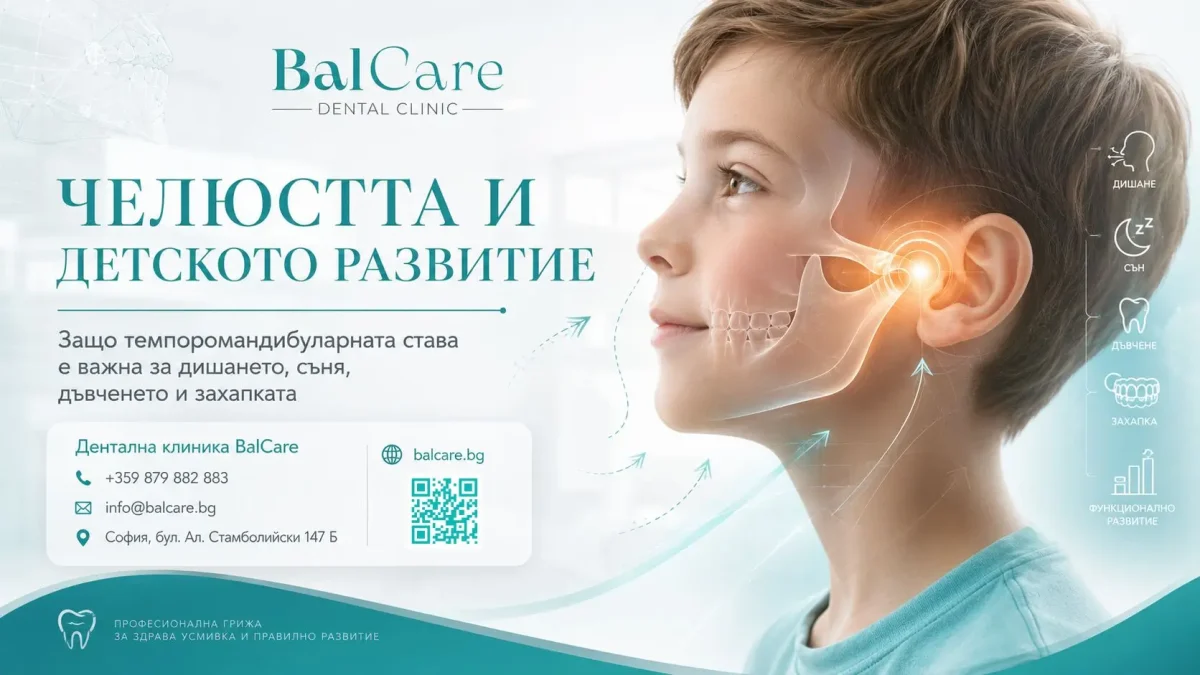
The temporomandibular joint, commonly abbreviated as TMJ, is located just in front of the ear and connects the lower jaw to the skull.

There are two temporomandibular joints – one on the left and one on the right. They must work in coordination because the lower jaw is a single bone.

Inside each joint is an articular disc, positioned between the head of the lower jaw and the temporal bone. It helps facilitate smooth movement and distribute functional forces.

When the mouth opens, the lower jaw does not simply move like a hinge. The joint head both rotates and slides forward.

When we refer to temporomandibular disorders (TMD), we are not referring only to the joint itself. The term describes a group of conditions affecting the temporomandibular joints, the masticatory muscles, and related structures.

Why Are the Jaws So Important for a Child’s Development?

During growth, the facial bones, dental arches, bite, masticatory muscles, and soft tissues develop simultaneously.

This process is influenced by both inherited characteristics and everyday functions, including:

  • the position and movements of the tongue;
  • swallowing patterns;
  • chewing;
  • nasal or mouth breathing;
  • prolonged oral habits;
  • the eruption and alignment of the permanent teeth;
  • the individual pattern of craniofacial growth.

For this reason, an orthodontist does not assess only whether the teeth are “crooked”.

The evaluation may also include facial proportions, the development of the upper and lower jaws, the width of the dental arches, contacts between the teeth, lower-jaw movements, and the function of the orofacial muscles.

Early recognition of a developing crossbite, significant asymmetry, severe crowding, abnormal eruption direction, or functional displacement of the lower jaw allows the condition to be monitored and, when necessary, treated at the most appropriate stage of growth.

What Can Cause Temporomandibular Joint Problems in Children?

Temporomandibular disorders usually do not have a single cause.

In most cases, they result from a combination of predisposing, triggering, and perpetuating factors.

Trauma to the Chin or Lower Jaw

A fall onto the chin, a sports-related impact, a road traffic accident, or another significant injury may affect the structures of the temporomandibular joint.

In a growing child, injuries involving the mandibular condyle should be assessed carefully because, in certain cases, they may affect jaw movement and the symmetry of facial growth.

Not every minor impact causes joint damage.

A dental or medical examination is recommended when pain, swelling, limited mouth opening, a change in the bite, or visible deviation of the jaw persists after an injury.

Overloading of the Masticatory System

Prolonged daytime teeth clenching, frequent chewing gum, nail biting, chewing pens, or biting other objects can place additional strain on the masticatory muscles and temporomandibular joints.

The relationship between nighttime teeth grinding and painful temporomandibular disorders in children is not straightforward.

Not every child who grinds their teeth develops a joint problem. A clearer association has been observed between painful disorders and frequent teeth clenching while awake.

Inflammatory and Systemic Diseases

Certain rheumatological conditions, including juvenile idiopathic arthritis, may affect the temporomandibular joint.

Sometimes joint involvement may occur with few or no obvious symptoms.

For this reason, when a child has such a condition, coordination between the rheumatologist, paediatric dentist, orthodontist, and a clinician experienced in temporomandibular joint disorders may be important.

Developing Bite and Facial Asymmetry

Certain bite characteristics may be seen more frequently in patients with temporomandibular symptoms, but current evidence does not support the idea that malocclusion is the only or primary cause of all temporomandibular disorders.

Similarly, orthodontic treatment should not be presented as a universal method for treating or preventing TMJ problems.

Orthodontics has an important role in correcting specific disturbances in bite development and function, but treatment should be based on an accurate diagnosis rather than solely on the presence of clicking or pain.

Psychological and Emotional Stress and Sleep Disturbances

Stress, anxiety, insufficient sleep, and certain repetitive habits may increase tension in the masticatory muscles.

This does not mean that the symptoms are “only psychological”.

The pain is real, but in some children it may be maintained by a combination of physical, behavioural, and emotional factors.

What Symptoms May Suggest a Temporomandibular Joint Problem?

Signs of a Possible TMJ Problem in a Child

What Do You Notice? What Could It Mean? What Is Recommended?
Pain in front of the ear, jaw, or temples Overload of the masticatory muscles or a problem involving the TMJ Consult a paediatric dentist, orthodontist, or gnathologist
Pain or fatigue while chewing Muscle tension, one-sided loading, or altered function Observe whether the child chews only on one side and arrange an examination
Limited or painful mouth opening Muscle spasm, inflammation, or a joint disorder Do not force the child to open the mouth; seek professional assessment
Jaw locking Disturbance in the movement of the articular disc or another joint dysfunction Prompt examination is recommended
Clicking or popping without pain May be a harmless functional finding Monitoring, particularly when there is no pain or movement restriction
Clicking accompanied by pain Possible overload or disturbance of joint movement Assessment by a clinician experienced in TMJ disorders
Chewing only on one side Discomfort, dental pain, malocclusion, or an established habit Dental and orthodontic examination
Jaw deviation during opening Asymmetric joint or muscle function Orthodontic and functional assessment
Sudden change in the bite Joint, muscular, or traumatic disturbance Do not delay an examination
Teeth grinding or clenching Bruxism, stress, sleep disturbance, or a temporary childhood habit Do not use a splint without diagnosis; monitor for pain and tooth wear
Tooth wear or chipping Prolonged or excessive loading Dental evaluation and follow-up
Morning headache and tired jaw Nighttime clenching, poor-quality sleep, or muscle tension Assessment of bruxism, sleep, and breathing
Sleeping with the mouth open and frequent snoring Restricted nasal breathing or sleep-related breathing disorder Consultation with a paediatrician and ENT specialist
Pain or a change in the bite following an injury Possible injury to the teeth, jaw, or temporomandibular joint Examination as soon as possible

Important: A single symptom does not necessarily indicate the presence of a disorder. The strongest reasons to seek professional assessment include pain, restricted movement, jaw locking, a change in the bite, marked asymmetry, or symptoms following trauma.

Can a Jaw Problem Cause Headaches, Ear Pain, or Neck Discomfort?

Temporomandibular disorders may be associated with pain in the face, temples, area in front of the ear, and masticatory muscles, and they may sometimes be accompanied by headaches or neck discomfort.

However, this does not mean that every headache, episode of dizziness, or sensation of a blocked ear is caused by the temporomandibular joint.

Similar symptoms may have dental, neurological, ear-nose-throat, ophthalmological, or other medical causes.

For this reason, proper diagnosis includes distinguishing joint and muscular pain from conditions involving the teeth, ears, sinuses, and other structures.

It is not scientifically justified to automatically attribute symptoms such as limb tremor, changes in the sense of smell, or all postural problems to the temporomandibular joint.

Such symptoms require an independent medical assessment.

What Is the Importance of Sleep and Breathing?

Restful sleep and unrestricted nasal breathing are important for a child’s overall development.

Persistent mouth breathing should not be viewed simply as a “bad habit”. It may be associated with enlarged adenoids or tonsils, allergic rhinitis, nasal obstruction, anatomical characteristics, or other causes.

Pay particular attention if your child:

  • regularly sleeps with their mouth open;
  • snores loudly or almost every night;
  • has restless sleep and frequent awakenings;
  • sleeps with the head extended unusually far backwards;
  • has observed pauses in breathing;
  • sweats excessively during the night;
  • is difficult to wake or wakes with a headache;
  • experiences daytime sleepiness, irritability, or difficulty concentrating;
  • continues bedwetting beyond the expected age.

When such signs are present, the child should be examined by a paediatrician and an ear, nose, and throat (ENT) specialist.

If a sleep-related breathing disorder is suspected, consultation with a sleep medicine specialist and a sleep study may be necessary.

An orthodontist can assess jaw and dental arch development but cannot independently diagnose obstructive sleep apnoea.

Should Parents Be Concerned When a Child Grinds Their Teeth?

Grinding or clenching the teeth is known as bruxism.

It may occur during sleep or while awake and is seen in both children and adults.

Many cases of childhood bruxism are mild and temporary and do not require specific treatment.

However, bruxism should not be described as a beneficial mechanism for stimulating the growth of the temporomandibular joint. There is insufficient evidence to claim that teeth grinding promotes healthy jaw development.

An examination is recommended when there is:

  • significant tooth wear or chipping;
  • morning jaw pain or fatigue;
  • frequent headaches;
  • tooth sensitivity;
  • painful or restricted mouth opening;
  • loud snoring, mouth breathing, or pauses in breathing;
  • daytime teeth clenching;
  • behavioural changes, anxiety, or severely disturbed sleep.

The presence of bruxism does not automatically mean that a child needs an occlusal splint.

In growing children and during the transition from primary to permanent teeth, intraoral appliances should be prescribed individually and monitored carefully because tooth eruption and jaw growth are still continuing.

What Are the Risks of Leaving a Problem Unaddressed?

The consequences depend on the cause and severity of the condition.

For some children, symptoms are temporary and improve with conservative measures. For others, persistent pain may interfere with eating, speaking, sleeping, concentration, and normal daily activities.

A significant untreated disorder may lead to:

  • worsening pain and muscle tension;
  • restricted movement of the lower jaw;
  • avoidance of hard foods and one-sided chewing;
  • further tooth wear or damage in severe bruxism;
  • reduced sleep quality;
  • progression from occasional pain to a chronic complaint;
  • changes in growth and facial asymmetry in certain cases of trauma, joint inflammation, or serious structural disease.

However, it would be incorrect to claim that every untreated TMJ problem will inevitably lead to spinal deformity or damage throughout the body.

The relationships between the bite, posture, and musculoskeletal symptoms are complex and should be assessed individually.

How Is the Diagnosis Made?

Diagnosis begins with a detailed discussion of the symptoms, including:

  • when they began;
  • whether pain is present and where it is felt;
  • whether symptoms occur during chewing or mouth opening;
  • whether there has been an injury;
  • whether the jaw clicks or locks;
  • whether headaches, teeth clenching, or sleep disturbances are present;
  • whether the bite has changed.

This is followed by a clinical examination, which may include:

  • observing opening and closing of the mouth;
  • measuring the range of movement;
  • assessing deviation or asymmetry;
  • palpation of the temporomandibular joints and masticatory muscles;
  • checking for pain and joint sounds;
  • evaluating the teeth, bite, and functional movements;
  • analysing facial proportions and growth.

Imaging is not necessary for every clicking sound or minor complaint.

A panoramic X-ray, CBCT, or MRI may be recommended only when the clinical findings indicate a need for further investigation.

MRI is particularly informative for evaluating the articular disc and soft tissues, whereas CBCT primarily provides information about the bony structures.

Which Specialist Should You Consult?

The initial assessment may be performed by a paediatric dentist or an orthodontist with experience in bite development and temporomandibular disorders.

Depending on the findings, a multidisciplinary approach may be necessary, involving:

  • a gnathologist or orofacial pain specialist;
  • an oral and maxillofacial surgeon;
  • a paediatric rheumatologist;
  • a paediatrician;
  • an ENT specialist;
  • a sleep medicine physician;
  • a physiotherapist experienced in jaw and facial disorders;
  • a speech therapist or orofacial myofunctional therapist;
  • a psychologist when stress, anxiety, or behavioural factors contribute to the symptoms.

Not every child needs to see all of these specialists.

The appropriate team is determined by the individual diagnosis rather than by a predetermined protocol.

When Is the First Orthodontic Examination Recommended?

A first preventive orthodontic assessment is recommended no later than around the age of seven.

At this age, children usually have a combination of primary and permanent teeth, making it possible to identify early problems involving eruption, the bite, and jaw growth.

This does not mean that every seven-year-old child needs to begin orthodontic treatment.

For many children, the most appropriate approach is periodic monitoring, with treatment beginning only when the appropriate stage of growth has been reached.

An earlier examination may be recommended in the presence of visible asymmetry, crossbite, difficulty chewing, trauma, early loss of primary teeth, or significant underdevelopment of the lower jaw.

What Can Parents Do?

Do not observe only the alignment of your child’s teeth. Pay attention to how the child functions as well:

  • Does the child chew comfortably on both sides?
  • Is there pain during eating?
  • Does the mouth open freely and symmetrically?
  • Does the child sleep with the mouth open?
  • Does the child snore?
  • Does the child clench their teeth during the day?
  • Does the child wake with a headache or tired jaw?
  • Has the bite changed following an injury?
  • Does the child avoid hard foods without an obvious reason?

When pain is present, do not encourage the child to “exercise” or forcefully move the jaw.

Temporarily avoiding very hard or chewy foods, chewing gum, and excessively wide mouth opening may reduce strain, but these measures do not replace professional assessment.

Do not use over-the-counter occlusal splints or begin exercises found online without a diagnosis.

Treatment in children should be conservative, reversible, and appropriate for their ongoing growth.

Professional recommendations prioritise education, modification of contributing habits, appropriate physiotherapy, and other conservative methods.

Irreversible procedures involving the bite or temporomandibular joint should not be undertaken solely on the basis of non-specific symptoms.

Why Does the Temporomandibular Joint Remain Important in Adults?

Growth eventually ends, but the temporomandibular joints and masticatory muscles continue to be exposed to daily functional forces.

Prolonged teeth clenching, stress, sleep disturbances, trauma, certain systemic diseases, and excessive loading may also lead to pain and reduced function in adults.

The fundamental principle remains the same: the actual source of the symptoms needs to be identified.

Treatment should not begin with irreversible changes to the bite, grinding of the teeth, or surgical procedures.

For most patients, the first step is a conservative, individually planned approach.

The Most Important Points for Parents to Remember

Not every clicking sound indicates disease.

Not every case of teeth grinding requires an occlusal splint.

And not every malocclusion causes a temporomandibular joint problem.

However, pain, restricted movement, jaw locking, changes in the bite, marked asymmetry, and symptoms following trauma should not be ignored.

A timely examination can help distinguish a normal stage of development from a condition that requires monitoring or treatment.

If you have concerns, consult an orthodontist or gnathologist who can evaluate not only the teeth but also the overall function of the masticatory system, jaw development, and the individual needs of the child.
plan-za-pregeldi-na-detskite-zybi-po-vyzrasti-dentalna-klinika-balcare-2-1200x800.webp
29/Jun/2026

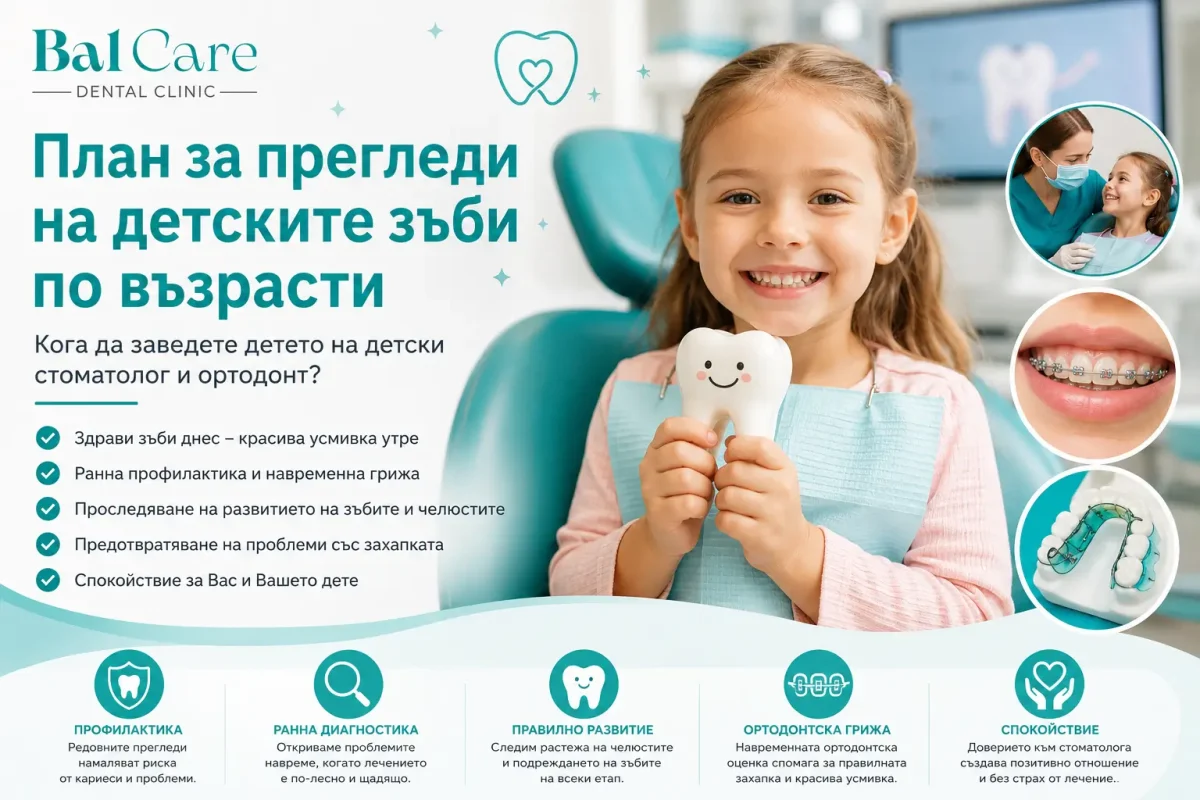
Dental Check-Up Schedule for Children by Age: 1 to 12 Years

Many parents wonder when the right time is for their child’s first dental visit and whether an orthodontic consultation is necessary at an early age.

Very often, the first visit is prompted by pain or a visible problem. In reality, however, the best results are achieved when the development of a child’s teeth and bite is monitored regularly from the earliest years.

At BalCare Dental Clinic, we believe that paediatric dentistry does not begin with treating tooth decay. It begins with prevention, trust, and the development of healthy habits.

Regular check-ups allow us to monitor the child’s smile at every stage of growth and respond at the right time when necessary.

During the first years, dental visits are often approached in the form of play. Children come to become familiar with the dental environment, meet the team, and gradually feel comfortable in the dental office. At the same time, the dentist can gently examine the teeth and monitor their development.

Why Are Preventive Dental Check-Ups So Important?

Children’s teeth and jaws develop continuously.

At different ages, changes take place that may influence both dental health and the future development of the bite.

Regular preventive check-ups help to:

  • detect tooth decay at an early stage;
  • monitor the proper development of primary and permanent teeth;
  • follow the growth of the jaws;
  • identify orthodontic problems at an early stage;
  • establish good oral hygiene habits;
  • reduce the risk of more complex dental treatment in the future.

In addition to their medical benefits, preventive visits help children become familiar with the dental environment and develop trust in dental professionals before a problem occurs.

When Should a Child Have Their First Dental Check-Up?

Current recommendations suggest that the first dental visit should take place around the time the first primary teeth appear, or no later than the child’s first birthday.

This often surprises parents, but the purpose of the first visit is not treatment.

It is an opportunity to discuss the child’s development, eating habits, care of the first teeth, and factors that may influence future dental health.

Early contact with the dentist helps establish a calm and positive relationship between the child and the dental environment.

Why Should Primary Teeth Not Be Neglected?

One of the questions parents ask most often is whether primary teeth need to be treated when they will eventually be replaced by permanent teeth.

Primary teeth have extremely important functions.

They contribute to proper chewing, speech development, and normal growth of the facial and jaw structures. They also preserve the space required for the permanent teeth to erupt correctly.

When a primary tooth is lost too early because of tooth decay or inflammation, this may contribute to crowding of the permanent teeth and may increase the need for more complex orthodontic treatment later.

When Is an Orthodontic Examination Recommended?

Many parents associate orthodontic treatment only with braces during the teenage years.

In reality, the first orthodontic assessment is recommended at around 6–7 years of age, when the transition from primary to permanent teeth begins.

At this age, the orthodontist can assess:

  • development of the upper and lower jaws;
  • whether there is sufficient space for the permanent teeth;
  • early signs of malocclusion;
  • asymmetries in jaw and facial development;
  • habits that may affect growth.

An early orthodontic assessment does not necessarily mean that treatment needs to begin immediately.

In many cases, periodic monitoring is all that is required.

What Signs May Indicate That Your Child Should See an Orthodontist Earlier?

Certain characteristics may sometimes be noticed even before the transition to permanent teeth begins.

It is advisable to consult a specialist if you notice:

  • significant crowding of the teeth;
  • crossbite;
  • pronounced protrusion of the upper or lower teeth;
  • predominantly mouth breathing;
  • frequent snoring during sleep;
  • prolonged thumb sucking;
  • difficulty biting;
  • facial asymmetry.

The earlier a developing problem is identified, the more possibilities there may be for conservative and effective management.

What Is the Role of Dental Sealants?

At around 6–7 years of age, the first permanent molars begin to erupt.

These are among the most important teeth in the permanent dentition, but they are also particularly vulnerable to tooth decay.

For some children, we recommend dental sealants – a protective layer applied to the chewing surface of the tooth to reduce the retention of food particles and bacteria in deep grooves and fissures.

Dental sealants do not replace good oral hygiene, but they can be a valuable part of preventive care in appropriately selected patients.

Braces or Aligners – When Are They Considered?

Between the ages of 9 and 12, children go through a period of active tooth replacement and significant jaw growth.

This is often the stage when the need for orthodontic treatment is discussed.

Modern orthodontics offers different treatment options, including:

  • metal braces;
  • aesthetic braces;
  • clear aligners;
  • functional orthodontic appliances.

The choice depends on the child’s age, the type of orthodontic problem, the level of cooperation, and the individual treatment goals.

There is no universal solution that is suitable for every patient.

The most appropriate option is determined after a detailed clinical examination and orthodontic assessment.

How Can You Prepare Your Child for a Dental Visit?

Preparation begins at home.

Explain calmly where you are going and why.

Use positive expressions such as:

  • healthy teeth;
  • a beautiful smile;
  • counting the teeth.

Avoid words that may cause unnecessary worry or fear.

During the appointment, allow the dental professional to lead the communication.

Paediatric dentists are trained to explain examinations and procedures in a way that is understandable and appropriate for the child’s age.

What Is the Difference Between a Paediatric Dentist and an Orthodontist?

The two specialties have different but complementary roles.

A paediatric dentist is responsible for:

  • prevention of tooth decay;
  • treatment of primary and permanent teeth;
  • gum health;
  • oral hygiene;
  • preventive dental examinations.

An orthodontist monitors:

  • development of the jaws;
  • alignment of the teeth;
  • the bite;
  • the need for orthodontic treatment.

When working as a team, paediatric dentists and orthodontists can provide comprehensive care for the healthy development of a child’s smile.

Frequently Asked Questions

How Often Should I Take My Child for a Preventive Dental Check-Up?

For most children, preventive dental examinations are recommended every 6 to 12 months.

The appropriate interval depends on the child’s age, individual risk of tooth decay, and specific dental needs.

Do Primary Teeth Need to Be Treated?

Yes.

Primary teeth play an important role in the proper development of the permanent teeth, the bite, chewing, and normal facial growth.

When Is the Right Time for the First Orthodontic Consultation?

Around 6–7 years of age, or earlier if there are concerns about the development of the bite or jaws.

Does Every Child Need Braces?

No.

Some children need only regular monitoring, while others may benefit from orthodontic treatment.

The decision is made after an individual examination and assessment of the child’s specific needs.

A healthy smile begins with prevention.

Regular visits to a paediatric dentist and orthodontist allow the development of the teeth and bite to be monitored throughout every stage of a child’s growth.

At BalCare Dental Clinic, we encourage parents not to wait for pain or a visible dental problem before arranging an examination.

Instead, preventive check-ups should become a natural part of caring for a child’s overall health.

Timely prevention today is an investment in a healthy, functional, and beautiful smile for the future.


vadene-na-mlechen-zyb-dentalna-klinika-balcare.jpg
09/Jun/2025

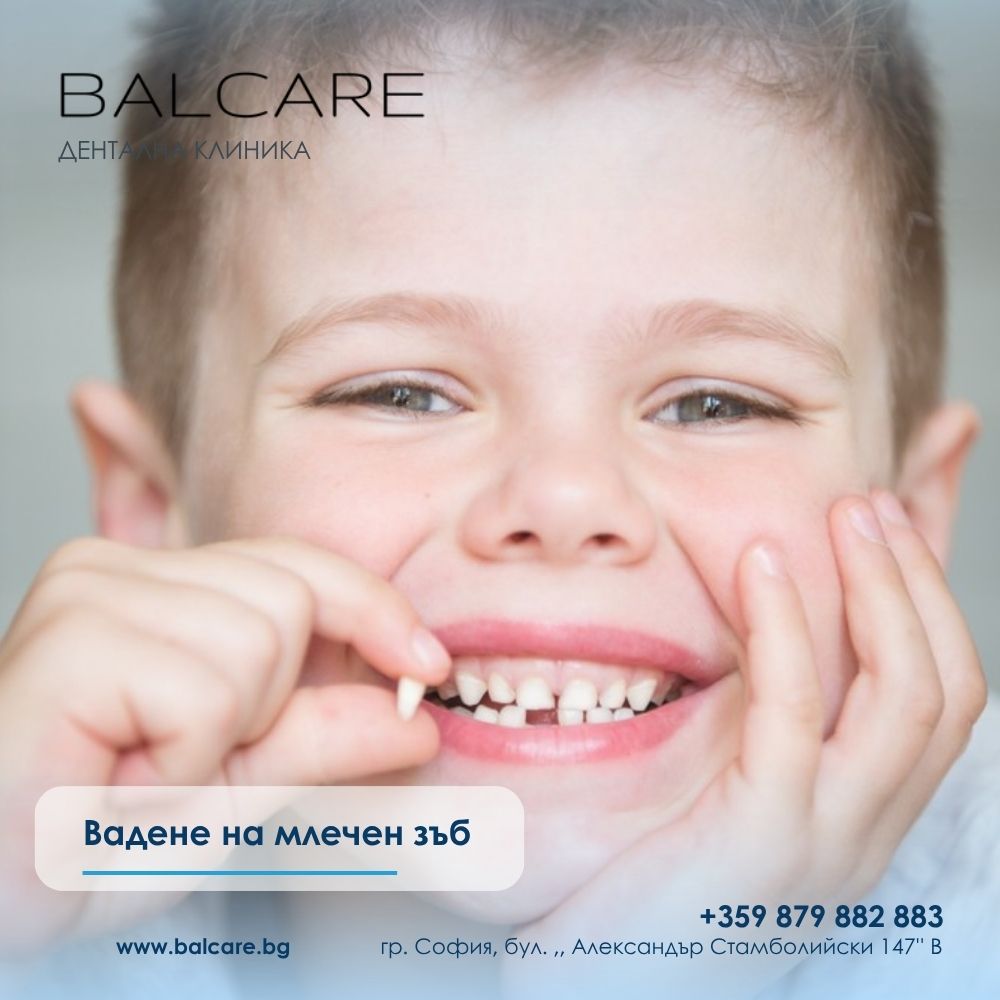
Млечните зъби играят ключова роля в развитието на устната кухина при децата. Макар и временни, тяхното правилно поникване, поддържане и навременно изваждане са от съществено значение за здравето на постоянните зъби и за формирането на правилна захапка. В тази статия ще разгледаме кога се налага вадене на млечен зъб, какви са подходите, какви рискове съществуват и какви специалисти участват в процеса.


karies-mlechni-zybi-dentalna-klinika-balcare.jpg
03/Jun/2025

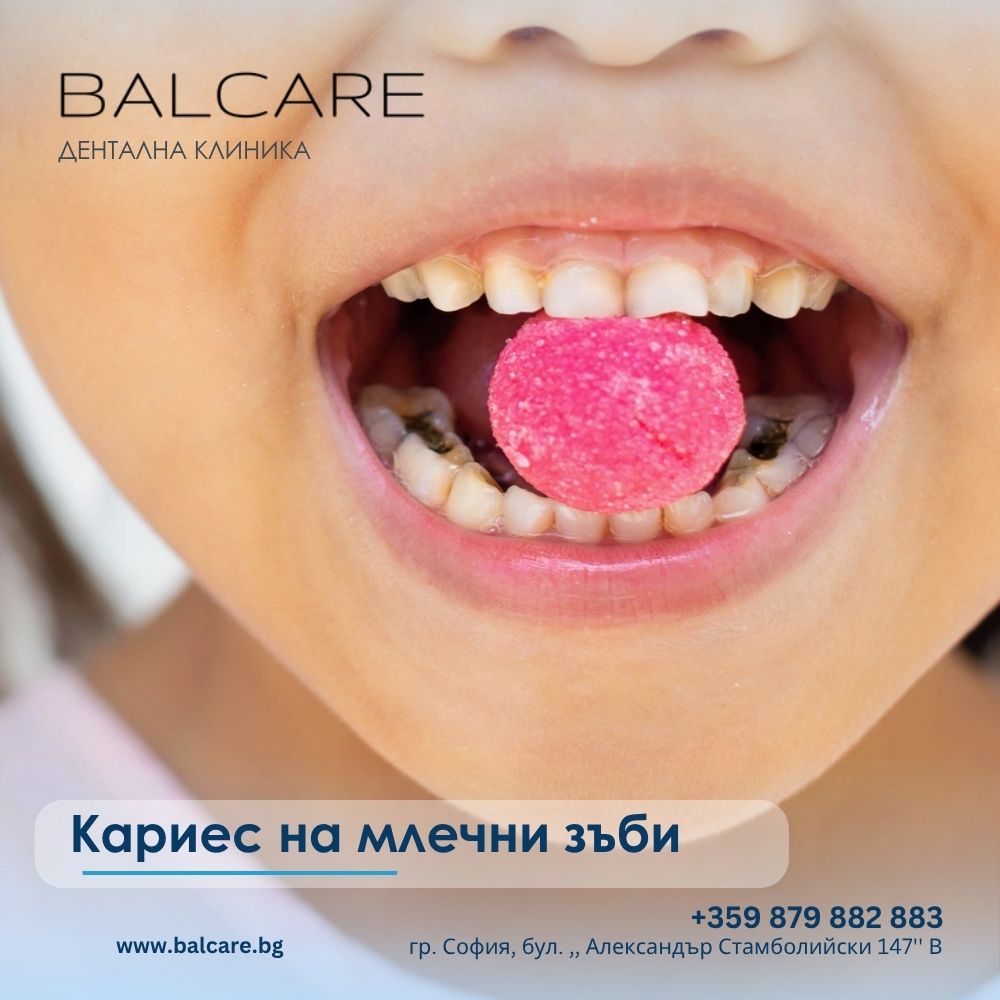
Кариесът на временните зъби не е изобщо за неглижиране (някои родители казват ,, за какво да ги лекуваме тези зъби, като те ще паднат), защото те имат дъвкателна, говорна, естетична функция, участват в развитието на челюстите и пазят място за идващите постоянни зъби. Лечението на зъбен кариес при деца се основава на същите принципи, които се прилагат и при възрастните, но с адаптирани подходи, съобразени с възрастта, етапа на пробив на зъбите и степента на сътрудничество от страна на детето. Правилното лечение на кариес при млечни зъби е изключително важно, тъй като то влияе пряко върху подреждането, здравето и пробива на постоянните зъби в бъдеще.


ranna-zaguba-na-mlechni-zybi-dentalna-klinika-balcare.jpg
22/Apr/2025

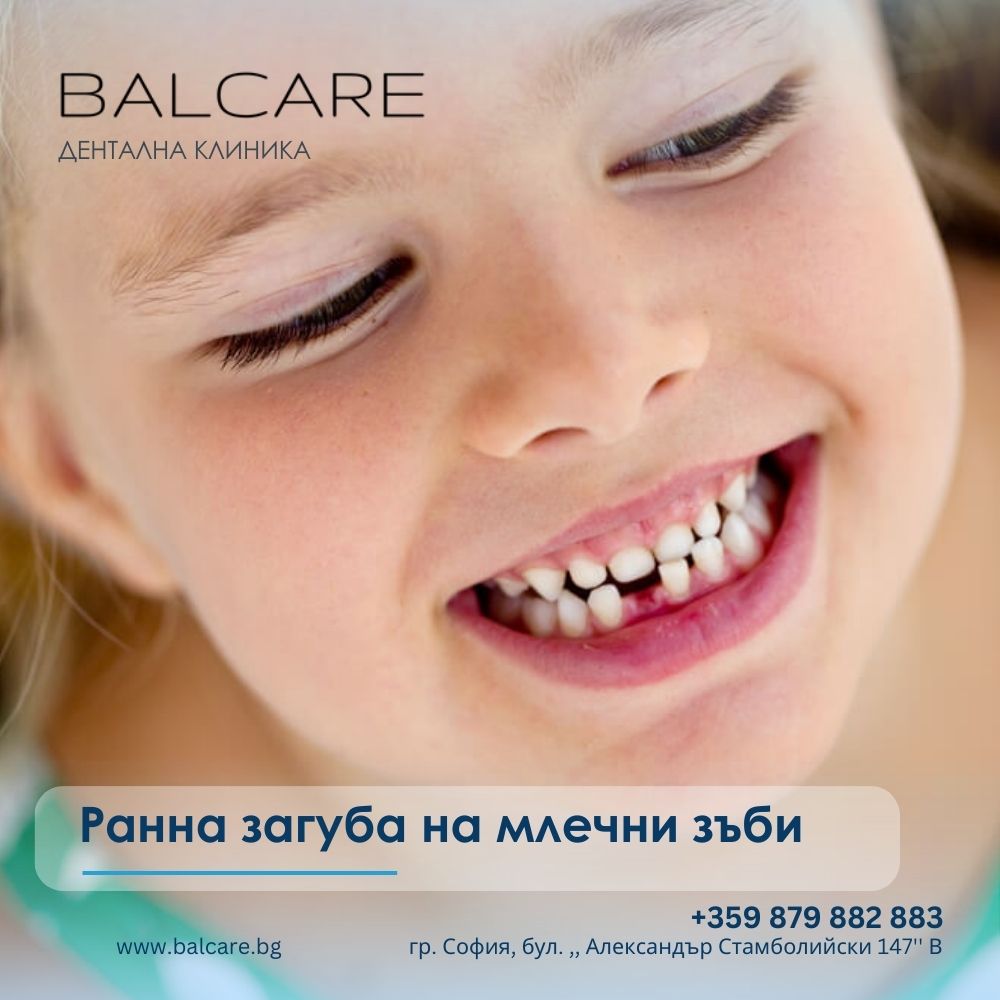
Early Loss of Baby Teeth: What Parents Need to Know

Baby teeth (primary teeth) play an important role in the development of a child’s mouth. They not only allow normal chewing and speech, but also help maintain space and guide the eruption of the permanent teeth.

The natural process of losing baby teeth usually begins at around the age of 6 and continues until approximately 12–13 years of age. But what happens when a baby tooth is lost too early?

What Is Premature Loss of a Baby Tooth?

Premature tooth loss means that a primary tooth falls out or needs to be extracted before its natural time of exfoliation and before the permanent tooth underneath is ready to erupt.

This can occur for a variety of reasons during childhood, particularly in children who are more active or more susceptible to dental disease.

Although losing a baby tooth early may initially seem harmless, premature loss of primary teeth can affect the space available for the permanent teeth and the development of the bite.

For this reason, early tooth loss should always be assessed by a paediatric dentist.

Why Are Baby Teeth So Important?

Many parents assume that because baby teeth will eventually be replaced, losing one earlier than expected is not a significant problem.

However, primary teeth have several important functions. They:

  • maintain space for the permanent teeth;
  • contribute to the development of the jaws and facial structures;
  • support normal chewing and eating;
  • play a role in speech development;
  • help guide the permanent teeth into their correct positions;
  • contribute to the child’s smile and confidence.

This is why monitoring dental development throughout childhood is so important.

What Causes Premature Loss of Baby Teeth?

There are several possible reasons why a primary tooth may be lost earlier than expected.

1. Tooth Decay and Dental Infections

Untreated tooth decay in baby teeth can progressively destroy the tooth structure.

If the decay reaches the dental pulp, infection or an abscess may develop. When the tooth can no longer be predictably restored, extraction may become necessary.

For this reason, early diagnosis and treatment of childhood caries are among the most important ways to prevent premature tooth loss.

2. Dental Trauma

Falls, sports injuries, and blows to the mouth can cause a baby tooth to become loose, displaced, fractured, or completely knocked out.

Dental trauma is particularly common in young, active children.

Any significant injury to a primary tooth should be evaluated by a dentist, even if the child does not initially complain of pain.

3. Gum and Periodontal Conditions

Severe periodontal disease is uncommon in children, but certain conditions affecting the gums and supporting tissues can contribute to abnormal tooth mobility.

Persistent inflammation, bleeding gums, or unexpected loosening of several teeth should therefore always be investigated by a dental professional.

4. Chronic or Genetic Conditions

Certain systemic, metabolic, genetic, endocrine, or bone disorders may affect the supporting structures of the teeth and, in some cases, contribute to premature tooth loss.

When teeth become loose significantly earlier than expected without an obvious dental cause, further investigation may be necessary.

What Can Happen When a Baby Tooth Is Lost Too Early?

The consequences depend on:

  • which tooth has been lost;
  • the child’s age;
  • how soon the permanent successor is expected to erupt;
  • the development of the surrounding teeth and jaws;
  • the existing bite.

Possible consequences include:

  • movement of neighbouring teeth into the empty space;
  • loss of space for the permanent tooth;
  • crowding or displacement of permanent teeth;
  • altered eruption pathways;
  • development of an incorrect bite;
  • the need for future orthodontic treatment;
  • difficulty with chewing or speech in some cases;
  • more difficult oral hygiene if neighbouring teeth move into unfavourable positions.

Not every prematurely lost baby tooth requires treatment, which is why an individual assessment is essential.

What Should You Do If Your Child Loses a Baby Tooth Too Early?

Visit a Paediatric Dentist

Arrange an examination as soon as possible.

The dentist will assess:

  • which tooth has been lost;
  • the condition of the neighbouring teeth;
  • the child’s stage of dental development;
  • the position and development of the permanent successor;
  • whether space is likely to be lost.

An X-ray may be recommended when additional information about the developing permanent tooth is required.

Attend Regular Follow-Up Appointments

Dental development should be monitored over time.

Regular examinations allow the dentist to identify any unwanted movement of neighbouring teeth or changes in the eruption of the permanent tooth at an early stage.

Consider a Space Maintainer When Appropriate

In selected cases, the dentist or orthodontist may recommend a space maintainer.

This appliance is designed to preserve the space left by the prematurely lost baby tooth until the permanent tooth is ready to erupt.

What Is a Space Maintainer?

A space maintainer is a dental or orthodontic appliance used to preserve the space created when a primary tooth is lost too early.

Depending on the clinical situation, it may be:

  • fixed, meaning it remains attached in the mouth; or
  • removable, when this is appropriate for the child.

The appliance is individually selected or made according to the child’s dental development.

Its main purpose is to prevent neighbouring teeth from moving into the space required for the permanent tooth.

What Are the Benefits of a Space Maintainer?

When clinically indicated, a space maintainer can:

  • help prevent neighbouring teeth from drifting into the empty space;
  • preserve room for the developing permanent tooth;
  • support a more favourable eruption pathway;
  • reduce the risk of future crowding;
  • potentially reduce the complexity of later orthodontic treatment;
  • help maintain normal dental arch development.

Space that has already been lost can be more difficult to recover later, which is why timely assessment is important.

Does Every Child Who Loses a Baby Tooth Early Need a Space Maintainer?

No.

A space maintainer is not automatically required after every prematurely lost baby tooth.

The decision depends on factors such as:

  • the tooth that was lost;
  • the child’s age;
  • the amount of time before the permanent tooth is expected to erupt;
  • the position of neighbouring teeth;
  • available space in the dental arch;
  • the child’s bite;
  • oral hygiene and ability to maintain the appliance.

The paediatric dentist or orthodontist will determine whether monitoring alone is sufficient or whether maintaining the space would be beneficial.

Care and Monitoring After Placement of a Space Maintainer

Once a space maintainer has been placed, regular follow-up is important.

The dentist or orthodontist will monitor:

  • the condition of the appliance;
  • oral hygiene around it;
  • the development of the jaws;
  • the eruption of the permanent tooth;
  • changes in the surrounding teeth.

Good oral hygiene is particularly important because food and plaque can accumulate around fixed appliances.

When the permanent tooth begins to erupt and the appliance is no longer necessary, the dentist will determine the appropriate time for its removal.

How Can Premature Loss of Baby Teeth Be Prevented?

Prevention begins with protecting the health of the primary teeth.

Important measures include:

  • take your child for regular dental examinations;
  • establish good oral hygiene from an early age;
  • brush twice daily with age-appropriate fluoride toothpaste;
  • limit frequent consumption of sugary and sticky foods;
  • encourage water instead of sweetened drinks between meals;
  • treat cavities before they progress to infection;
  • use an appropriate mouthguard during sports when there is a risk of dental trauma;
  • seek dental care promptly after an injury to the mouth;
  • do not ignore unexplained tooth mobility, pain, swelling, or inflammation.

Regular preventive care gives the dentist an opportunity to identify problems before they lead to premature tooth loss.

When Should You Contact a Dentist?

Arrange a dental examination if:

  • a baby tooth falls out significantly earlier than expected;
  • a tooth becomes loose after trauma;
  • your child has toothache or swelling;
  • there is pus or another sign of infection;
  • a baby tooth has been extracted because of extensive decay;
  • several teeth become unexpectedly mobile;
  • you are concerned that neighbouring teeth are moving into the empty space.

Early assessment can help determine whether treatment is required or whether the area simply needs to be monitored.

Protecting the Space for the Permanent Smile

Baby teeth are temporary, but the space they maintain is extremely important for the developing permanent dentition.

When a primary tooth is lost too early, the appropriate approach depends on the individual child. In some cases, careful monitoring is all that is required. In others, a space maintainer can help preserve the area needed for the permanent tooth to erupt.

If your child has experienced premature loss of a baby tooth, do not wait for neighbouring teeth to begin moving.

The team at BalCare Dental Clinic can assess your child’s dental development and recommend the most appropriate approach according to their age, bite, and individual needs.


pulpit-na-mlechni-zybi_dentalna-klinika-balcare.jpg
15/Apr/2025

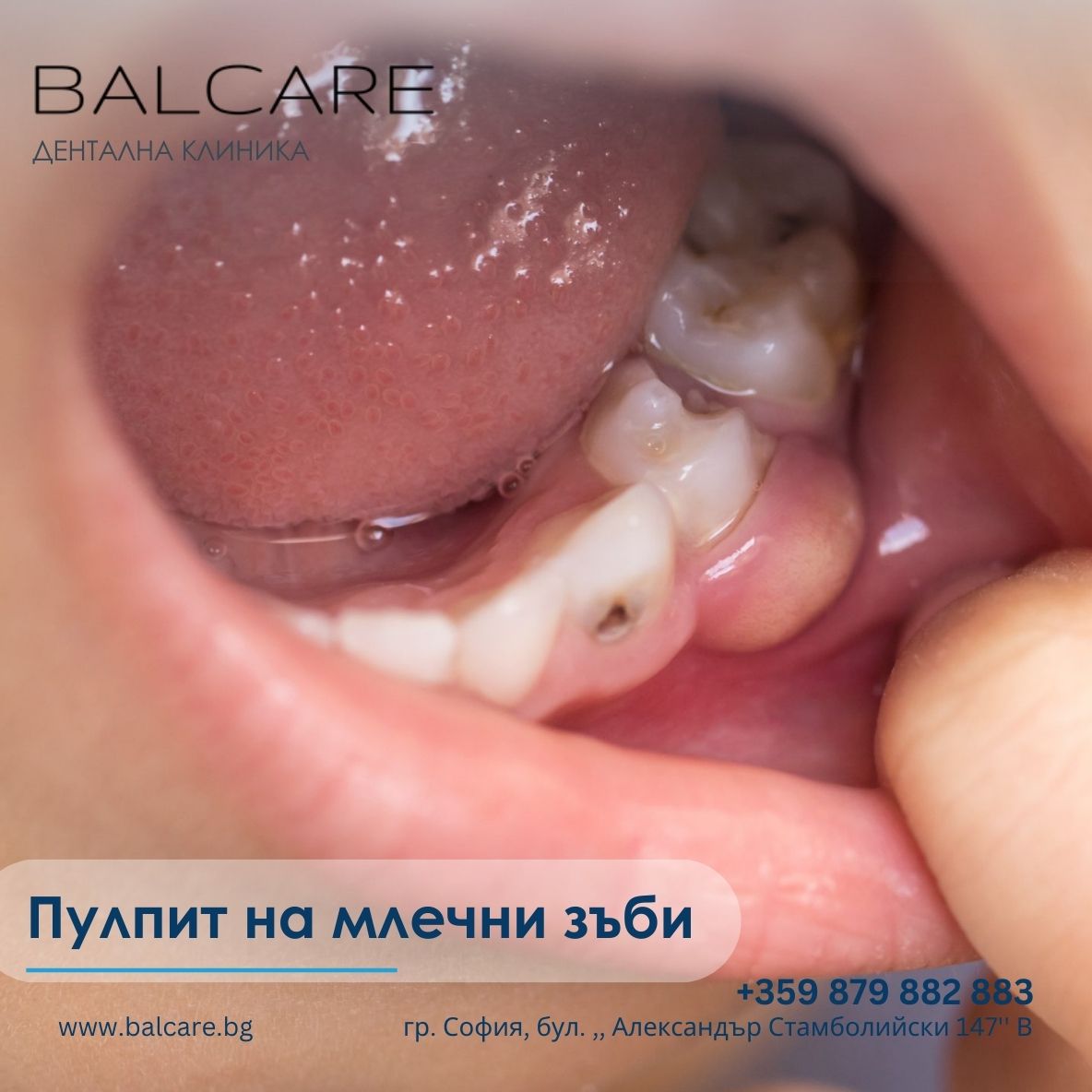
Пулпитът на млечни зъби е възпаление на пулпата – меката вътрешна тъкан на зъба, съдържаща нерви и кръвоносни съдове. Това заболяване най-често възниква като усложнение от нелекуван дълбок кариес при деца. При проникване на бактерии в пулпната камера се отключва възпалителен процес, който може да бъде остър или хроничен. Временните (млечни) зъби са по-податливи на бързо прогресиране на кариеса заради тяхната анатомична структура – по-тънък емайл и дентин. Именно затова пулпитът на млечни зъби се среща често в детска възраст и изисква своевременно диагностициране и лечение.


koga-da-zavedete-deteto-pri-ortodont-dentalna-klinika-balcare.jpg
14/Apr/2025

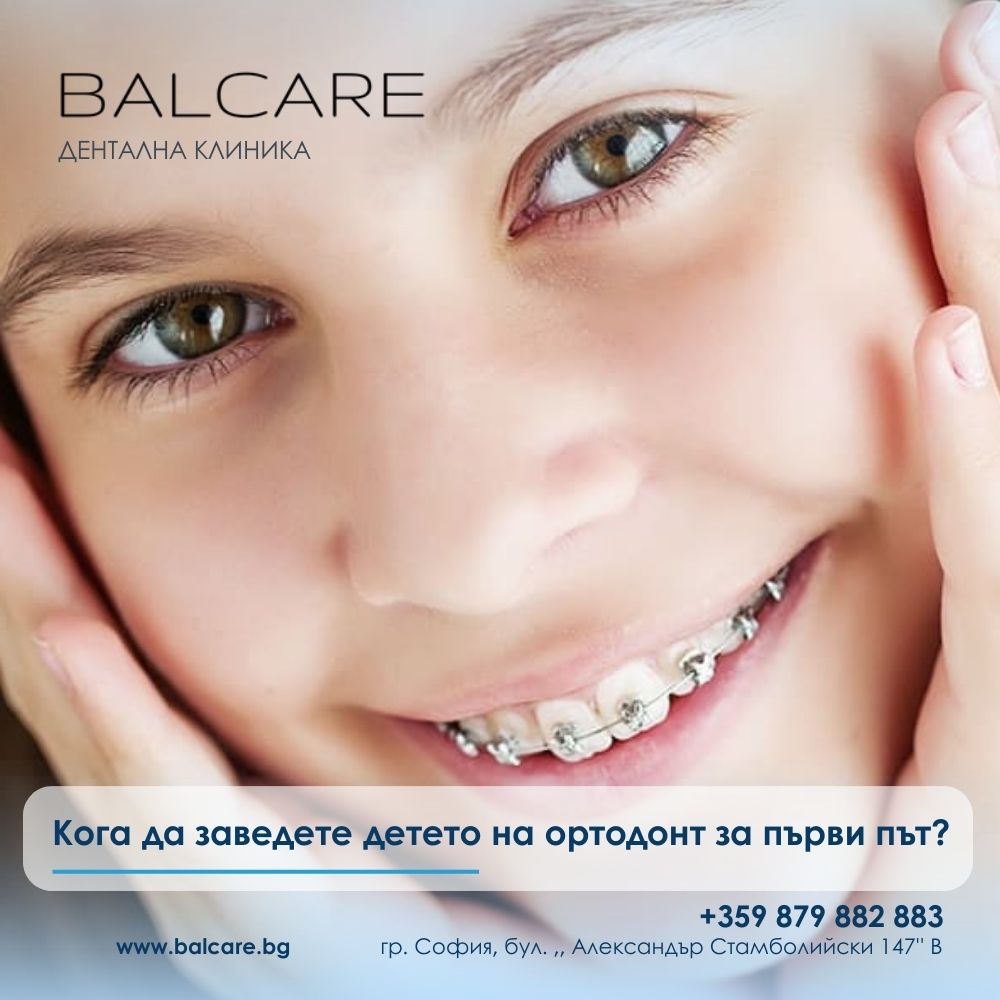
Детската усмивка е един от най-очарователните и заразителни феномени. Правилното развитие на денто-алвеоларната система играе ключова роля за нейното здраве и красота. Ето защо ролята на ортодонта в живота на детето става неоспорима. Научно доказано е, че ранната ортодонтска корекция допринася не само за формирането на правилна захапка, но и за предотвратяването на много здравословни проблеми. Днес ще поговорим за това как грижата за детската усмивка в ранна възраст може да осигури не само красива усмивка, но и здраве за дълги години напред.


karies-pri-decata-detska-stomatologiya-sofia-balcare.jpg
11/Apr/2025

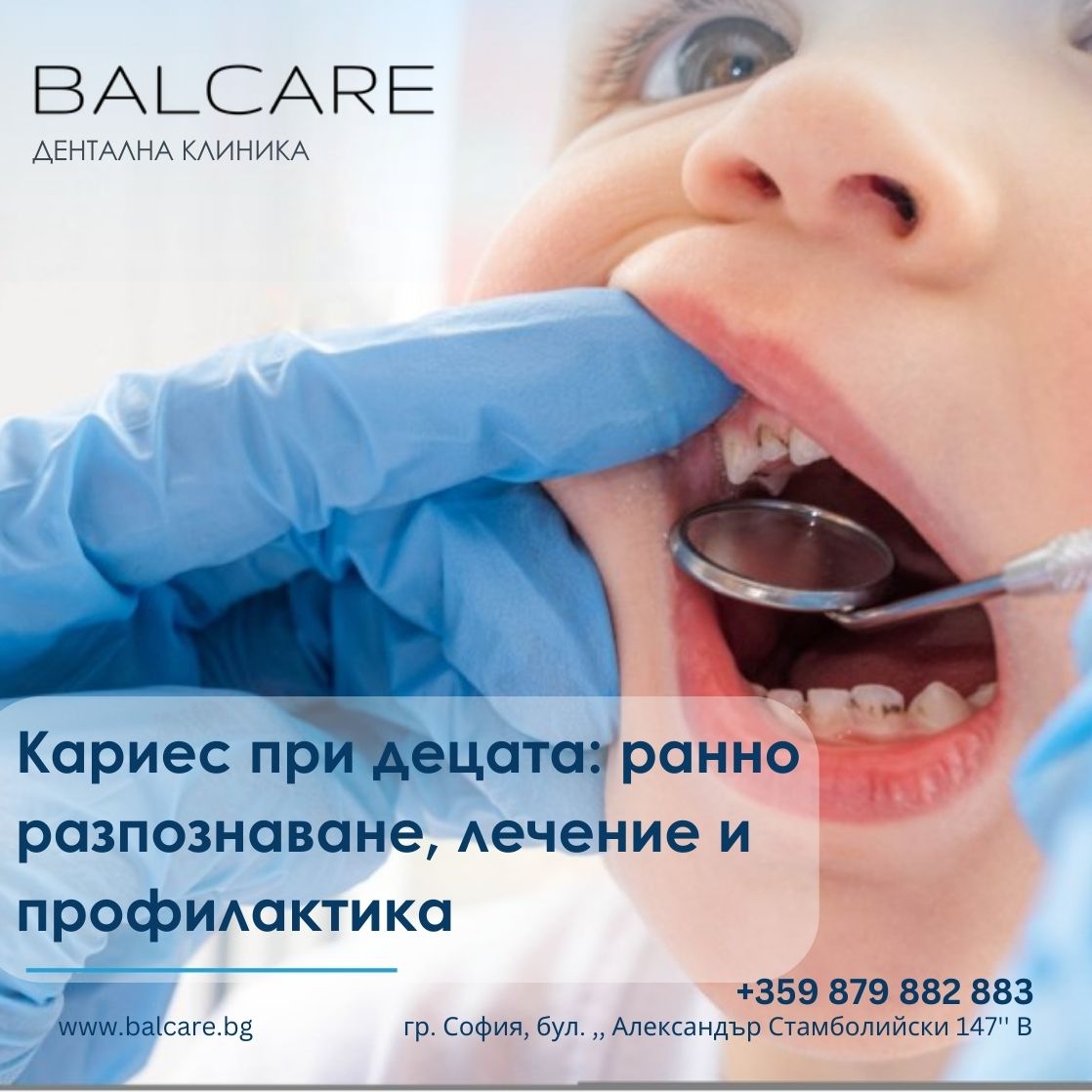
Kариесът при децата е една от най-често срещаните причини за посещение в зъболекарския кабинет. Въпреки че много родители подценяват значението и лечението на млечните зъби, истината е, че здравето на временните зъби има пряко въздействие върху бъдещото зъбно развитие на детето.


koga-da-zavedem-deteto-na-pyrvi-pregled-pri-stomatolog-balcare.jpg
02/Apr/2025

Денталната медицина е тясно свързана с оралното здраве на децата започва още от най-ранна възраст. Ранните посещения при зъболекар помагат за предотвратяване на кариеси, създаване на здравословни навици и избягване на страха от зъболекарския кабинет.


kak-da-predotvratim-zybniya-karies-balcare.jpg
31/Mar/2025

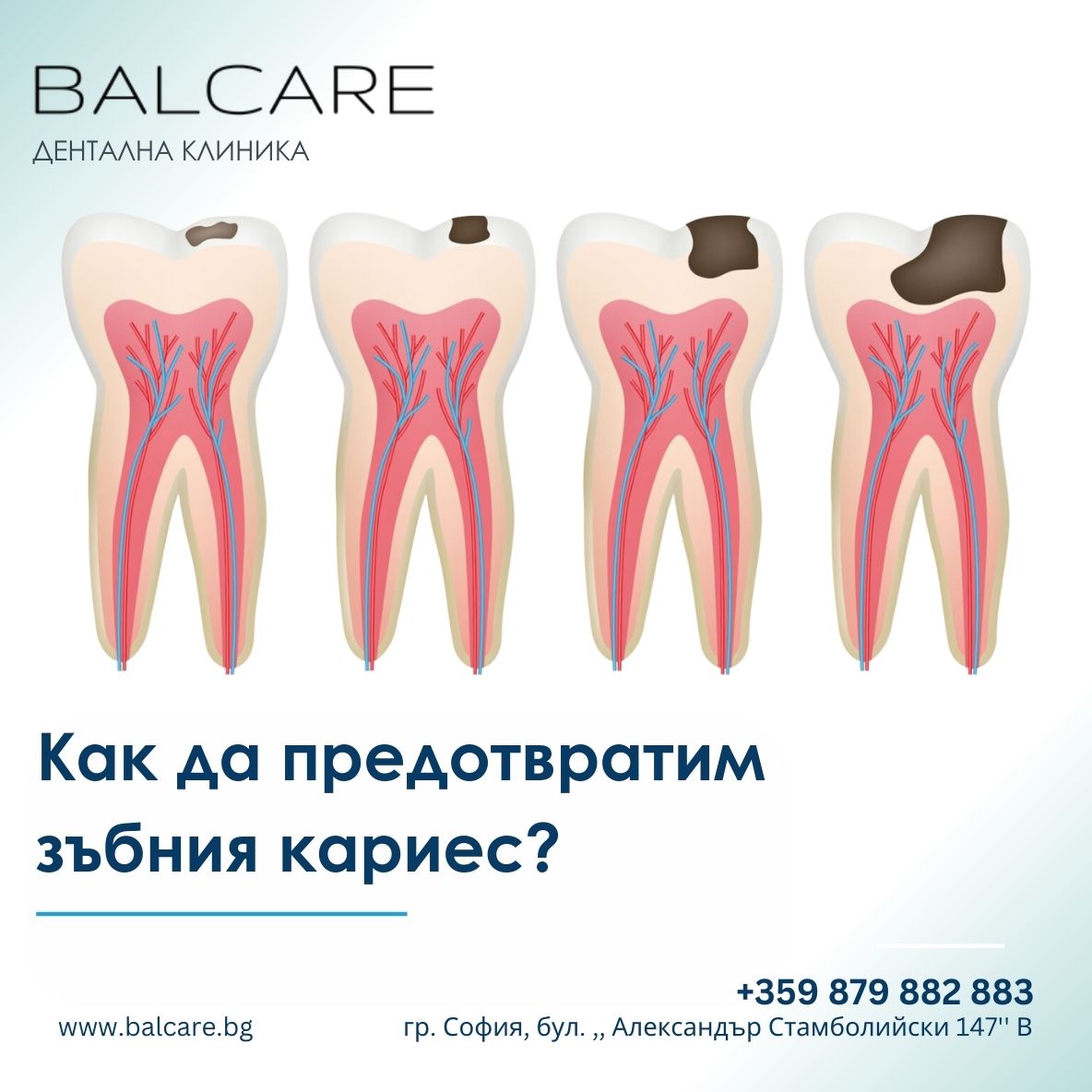
Зъбният кариес е едно от най-разпространените заболявания в света, засягащо както деца, така и възрастни. Той се образува, когато бактериите в устната кухина разграждат захарите от храната и създават киселини, които разрушават емайла. В тази статия ще разгледаме ефективни методи за предотвратяване на кариеса, както и практични съвети за поддържане на здрави зъби.


payment-cards-dentalna-klinika

Copyright by BalCare2026. All rights reserved.

Call Now Button