


Tooth Decay in Baby Teeth
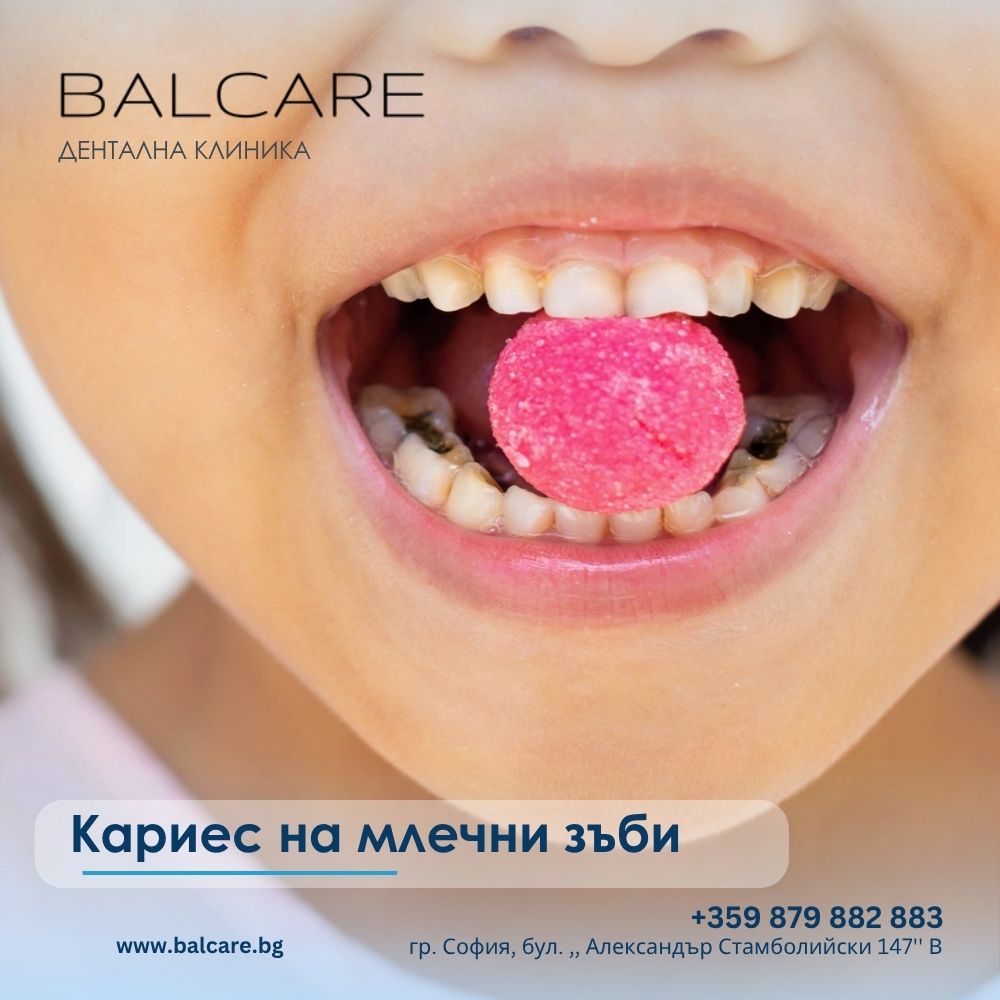
Tooth Decay in Baby Teeth: How Is Dental Caries Treated in Children? Modern Treatment Methods and Effective Prevention
Tooth decay in primary teeth should never be ignored. Some parents may think, “Why treat baby teeth if they are going to fall out anyway?” However, primary teeth have important functions. They help children chew and speak properly, contribute to facial and jaw development, maintain aesthetics, and preserve the necessary space for the permanent teeth that will eventually replace them.
The treatment of dental caries in children follows many of the same principles used in adult dentistry, but the approach is adapted to the child’s age, stage of dental development, and ability to cooperate during treatment.
Proper treatment of tooth decay in baby teeth is extremely important because the health of the primary dentition can directly influence the alignment, health, and eruption of the permanent teeth.
What Determines the Treatment of Tooth Decay in Children?
When treating dental caries in children, the dentist considers several important factors:
- the child’s age and ability to cooperate during treatment;
- the depth of the cavity and whether the dental pulp has been affected;
- how much time remains before the baby tooth is expected to fall out naturally.
If a primary tooth is already very loose and is expected to fall out within approximately six months, the dentist may recommend monitoring rather than extensive treatment.
However, if the tooth is expected to remain in the mouth for another year or longer, treatment is generally important in order to preserve the space required for the permanent tooth and reduce the risk of future orthodontic problems.
How Can Parents Recognise the First Signs of Tooth Decay in Baby Teeth?
Dental caries in primary teeth is one of the most common chronic conditions in childhood.
According to the World Health Organization, more than 530 million children worldwide are affected by tooth decay in their primary teeth. Data from Bulgaria have also indicated a high prevalence of caries among preschool children.
These figures highlight the importance of early detection and treatment.
Early diagnosis can help prevent complications such as pulpitis, dental abscesses, and premature tooth loss. Maintaining healthy baby teeth is also important for the proper development of the permanent dentition.
What Does Early Tooth Decay Look Like in Children?
The earliest signs of dental caries can easily go unnoticed.
The process may begin as a dull, chalky white area on the tooth surface, commonly referred to as a white spot lesion. This represents early demineralisation of the enamel.
Over time, the area may become darker and develop into a brown or black spot. As the decay progresses, the tooth surface may become rough or an actual cavity may form.
Some children experience pain or sensitivity when eating sweets, consuming cold foods or drinks, or brushing their teeth.
However, many children have no obvious symptoms in the early stages.
For this reason, parents should regularly check their child’s teeth, especially the back teeth, where dental plaque can accumulate more easily and cavities may develop unnoticed.
What Should Parents Know About Tooth Decay in Baby Teeth?
Baby teeth are not protected from tooth decay simply because they are temporary.
In fact, primary teeth can be particularly vulnerable because their enamel is thinner and less mineralised than that of permanent teeth.
Dental caries can begin soon after the first teeth erupt, particularly when there is frequent nighttime feeding, regular consumption of sweetened drinks, and inadequate oral hygiene.
Early childhood caries can be particularly aggressive.
It may develop between approximately 12 and 36 months of age and often affects the upper front teeth first.
Without appropriate prevention and treatment, the condition can progress rapidly, affect multiple teeth, and lead to complications.
| Age Group | Children with Caries |
|---|---|
| 1–3 years | 38% |
| 3–5 years | 64% |
| 6–9 years | 72% |
Dental caries can affect more than the teeth themselves.
Untreated disease may contribute to chronic inflammation, difficulties with chewing, discomfort while eating, and an increased risk of dental infection.
What Are the Early Symptoms of Tooth Decay in Children?
The first signs may include:
- white, brown, or dark spots on the teeth;
- rough areas on the tooth surface;
- unpleasant breath;
- discomfort while eating;
- sensitivity to sweet, cold, or hot foods and drinks.
Parents should not ignore even minor changes in the colour or surface of the enamel.
A child may have active dental caries without complaining of pain.
How Is Tooth Decay in Baby Teeth Treated?
Treatment depends on how far the caries has progressed.
Initial Caries
In the earliest stage, remineralisation therapy may be recommended.
This can include:
- fluoride varnishes or gels;
- improved oral hygiene;
- reducing the frequency of sugar intake;
- regular professional monitoring.
At this stage, the aim is to strengthen the enamel and prevent the lesion from progressing.
Moderate Caries
When a cavity has already formed, the affected dental tissue is removed and the tooth is restored with a filling.
In paediatric dentistry, glass ionomer cements are commonly used in selected cases because they chemically bond to the tooth and can release fluoride.
Advanced Caries and Pulp Involvement
When tooth decay reaches the pulp, more extensive treatment may be necessary.
Depending on the condition of the tooth, this may involve partial or complete treatment of the pulp in order to preserve the primary tooth whenever clinically appropriate.
Local anaesthesia is used when required to keep the child comfortable during treatment.
Modern paediatric dentistry may also use laser technologies in selected cases as part of minimally invasive treatment approaches.
How Can Tooth Decay in Children Be Prevented?
Prevention is the most effective approach.
Oral hygiene should begin as soon as the first baby tooth appears.
Important preventive measures include:
- brushing twice a day with a soft toothbrush;
- using age-appropriate toothpaste;
- limiting sugary foods and drinks;
- avoiding frequent snacking on sugar-containing foods;
- attending regular dental check-ups, usually every six months or according to the dentist’s recommendation.
The dentist may also recommend preventive procedures such as fissure sealants and professional fluoride treatment.
These measures help strengthen the enamel and protect vulnerable tooth surfaces from acid attacks and bacterial plaque.
Can Tooth Decay in a Baby Tooth Affect the Permanent Teeth?
Yes.
Untreated infection in a primary tooth may affect the surrounding tissues and, in some cases, the developing permanent tooth underneath.
Possible consequences may include:
- enamel defects;
- disturbances in tooth eruption;
- changes in tooth development;
- an increased risk of future dental problems.
Premature loss of a baby tooth can also result in loss of space for the permanent tooth and may contribute to orthodontic problems later.
Frequently Asked Questions About Tooth Decay in Baby Teeth
How Can I Tell If My Child Has Tooth Decay?
Possible signs include:
- discomfort or pain while eating or chewing;
- visible white, brown, or dark spots;
- tooth sensitivity to hot, cold, or sweet foods;
- roughness or visible cavities in the tooth surface;
- unpleasant breath.
Children may not always report dental pain, so regular dental examinations are important even when there are no symptoms.
What Is “Baby Bottle Tooth Decay”?
Baby bottle tooth decay is a form of early childhood caries associated with frequent and prolonged exposure of the teeth to milk, juice, sweetened drinks, or other fermentable carbohydrates, particularly during sleep.
When a child falls asleep with a bottle containing milk, juice, or another sweetened drink, sugars remain around the teeth for a prolonged period.
Oral bacteria use these sugars and produce acids that gradually damage the tooth enamel.
Which Teeth Are Usually Affected First?
Early childhood caries often affects the upper front teeth, particularly when frequent nighttime bottle feeding or sweetened drinks are involved.
The back teeth are also highly vulnerable because their grooves and fissures can retain plaque and food particles.
How Can We Protect Baby Teeth from Tooth Decay?
Good Oral Hygiene
Brush the child’s teeth with an appropriate children’s toothbrush and age-appropriate toothpaste.
Young children require help and supervision from a parent because they are not yet able to clean all tooth surfaces effectively on their own.
Limit Sugary Foods and Drinks
Avoid frequent sweetened drinks and foods, especially between meals and before bedtime.
Sweetening water or drinks and dipping a dummy or pacifier in honey or other sweet substances significantly increases the risk of tooth decay.
Establish Healthy Feeding and Oral-Care Habits
After the first teeth appear, parents should gradually establish a regular oral-hygiene routine and avoid allowing milk, juice, or sweetened drinks to remain around the teeth for prolonged periods during sleep.
Timely recognition and treatment of dental caries in children are essential for the health of the entire mouth and the proper development of the dentition.
Baby teeth are not “just temporary teeth” – they are the foundation for the child’s future smile.
With good oral hygiene, healthy eating habits, regular preventive care, and support from a paediatric dentist, children can grow up with healthier teeth and a positive attitude towards dental care.
At BalCare Dental Clinic, we provide individual assessment and treatment planning for children with tooth decay in their primary teeth.
Our main goal is the prevention of childhood dental caries through good oral hygiene, appropriate dietary habits, regular check-ups, and early treatment when necessary.
Our paediatric dental care includes prevention, treatment of cavities, orthodontic assessment, and comprehensive care for both primary and permanent teeth.
Gentle, child-friendly, and stress-free dental care for children.
