


What Is Periodontitis and What Causes It?
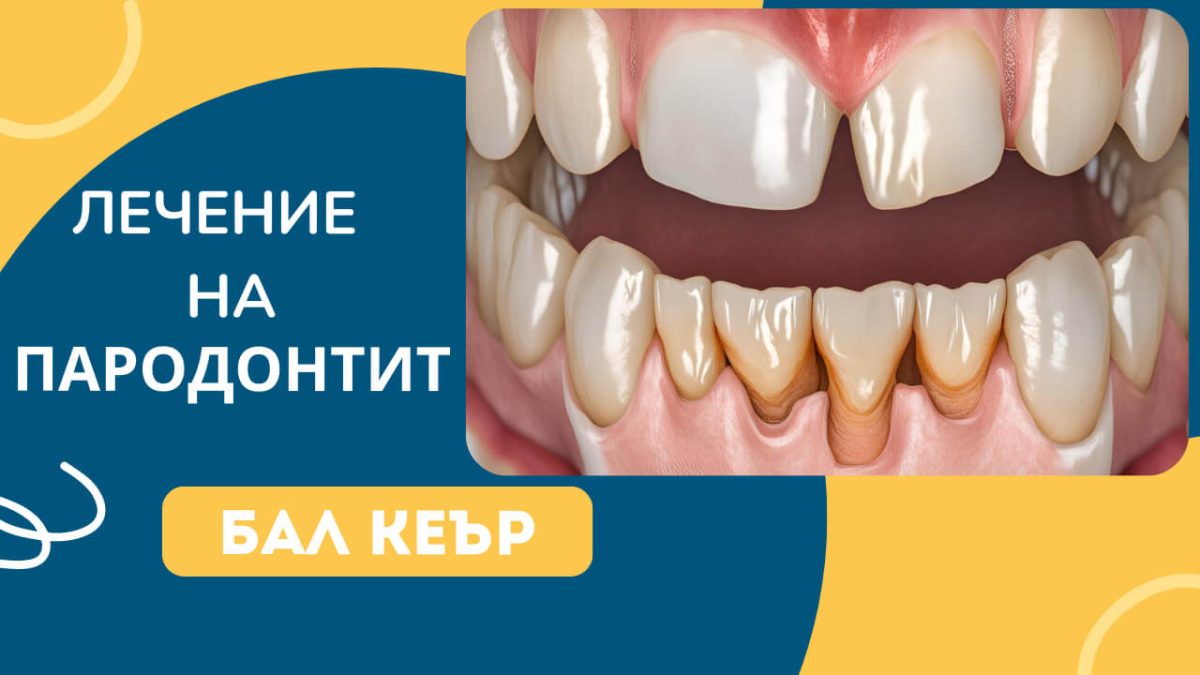
What Is Periodontitis and What Causes It?
Periodontitis is a chronic inflammatory disease that affects the tissues supporting the teeth, collectively known as the periodontium.
These supporting structures include:
- the gums;
- the alveolar bone surrounding the teeth;
- the cementum covering the tooth roots;
- the periodontal ligament, which connects the teeth to the surrounding bone.
Periodontitis develops when the body’s inflammatory response to bacterial biofilm leads to progressive destruction of these supporting tissues.
Without appropriate treatment, the condition may result in:
- periodontal pocket formation;
- gum recession;
- bone loss;
- tooth mobility;
- eventually, tooth loss.
What Causes Periodontitis?
The primary initiating factor is dental plaque, a bacterial biofilm that continuously forms on the teeth.
If plaque is not effectively removed, it can accumulate around and below the gum line.
Over time, plaque may mineralise into dental calculus (tartar), which creates additional plaque-retentive surfaces and cannot be removed effectively with ordinary toothbrushing.
However, periodontitis is not caused by bacteria alone.
The development and severity of the disease are influenced by the interaction between:
- the oral microbiome;
- the patient’s immune and inflammatory response;
- smoking;
- diabetes;
- genetic susceptibility;
- oral-hygiene habits;
- other individual risk factors.
Symptoms of Periodontitis
One of the earliest warning signs of gum inflammation is bleeding during brushing or interdental cleaning.
Regular gum bleeding should not be considered normal.
Other possible symptoms include:
- red or swollen gums;
- gum recession;
- teeth appearing longer;
- persistent bad breath;
- unpleasant taste;
- discomfort when chewing;
- periodontal pockets;
- tooth sensitivity;
- loose teeth;
- migration or changes in the position of the teeth;
- spaces developing between teeth.
One of the challenges with periodontitis is that it may progress with relatively few symptoms, particularly during its earlier stages.
Some patients do not realise they have significant periodontal disease until substantial supporting tissue has already been lost.
This is why regular periodontal assessment is so important.
Is Periodontitis Only a Disease of Older Adults?
No.
Periodontitis becomes more common with increasing age, but it should not be regarded simply as a disease of older people.
Periodontal disease can also affect:
- young adults;
- teenagers in selected cases;
- patients with particular genetic or systemic risk factors.
Some individuals may experience rapid progression of periodontal destruction at a relatively young age.
For this reason, persistent:
- gum bleeding;
- swelling;
- bone loss;
- tooth mobility;
should always be investigated regardless of age.
How Can Periodontitis Be Prevented?
Prevention focuses primarily on controlling dental plaque and reducing modifiable risk factors.
Brush Twice Daily
Brush your teeth thoroughly at least twice a day with fluoride toothpaste.
Effective brushing helps prevent plaque from accumulating along the gum line.
Clean Between the Teeth Every Day
A toothbrush cannot effectively clean all areas between neighbouring teeth.
Depending on the size of the interdental spaces, your dental professional may recommend:
- interdental brushes;
- dental floss;
- other interdental cleaning aids.
For many patients with periodontal disease, interdental brushes are particularly useful.
Attend Professional Dental Cleaning Appointments
Plaque that mineralises into tartar cannot be removed with a normal toothbrush.
Professional cleaning may involve:
- ultrasonic scaling;
- hand instrumentation;
- removal of subgingival deposits;
- polishing when appropriate.
The required frequency depends on the individual patient’s periodontal condition and risk.
Stop Smoking
Smoking is one of the most important modifiable risk factors for periodontitis.
It is associated with:
- more severe periodontal destruction;
- greater bone loss;
- poorer healing;
- increased risk of tooth loss;
- reduced response to periodontal treatment.
Smoking can also suppress visible gum bleeding, meaning periodontal disease may appear less inflamed than it actually is.
Maintain Good General Health
Certain systemic conditions, particularly poorly controlled diabetes, are associated with an increased risk and severity of periodontal disease.
Good management of overall health therefore forms part of comprehensive periodontal care.
Maintain a Balanced Diet
A balanced diet supports general and oral health.
However, diet alone cannot prevent periodontitis if bacterial plaque is not effectively controlled.
How Is Periodontitis Treated?
Treatment begins with a detailed periodontal assessment.
The aim is to:
- control inflammation;
- reduce bacterial biofilm;
- remove calculus;
- reduce periodontal pocket depth where possible;
- prevent further attachment and bone loss;
- preserve the natural teeth.
Initial Periodontal Therapy
The first phase of treatment is generally non-surgical periodontal therapy.
This may include:
- professional plaque removal;
- removal of supra- and subgingival calculus;
- scaling and root surface instrumentation;
- detailed oral-hygiene instruction;
- management of individual risk factors.
Ultrasonic instruments and hand instruments may both be used to thoroughly clean the tooth and root surfaces.
Treatment may be completed over several appointments depending on the extent and severity of the disease.
Why Mechanical Cleaning Is So Important
Periodontal bacteria are organised within a biofilm attached to the teeth and root surfaces.
Medication alone cannot predictably remove this biofilm or calculus.
This is why mechanical disruption and removal of bacterial deposits form the foundation of periodontal treatment.
The Myth About Antibiotics
Some patients believe that periodontitis can be treated simply by taking antibiotics.
This is incorrect.
Systemic antibiotics are not a substitute for mechanical periodontal treatment.
Taking antibiotics without removing plaque, calculus, and the bacterial biofilm may produce only temporary changes in symptoms while leaving the primary local problem untreated.
Unnecessary or repeated antibiotic use can also contribute to antimicrobial resistance.
Antibiotics may be appropriate in selected periodontal situations, but only when there is a clear clinical indication and as an adjunct to appropriate periodontal treatment.
They should not be used routinely or without professional supervision.
Are Local Antibacterial Treatments Used?
In selected cases, local antimicrobial or antiseptic agents may be used as an adjunct to mechanical treatment.
Their purpose may be to help reduce bacterial activity within specific periodontal sites.
However, these products do not replace:
- professional instrumentation;
- plaque control;
- effective home care.
The decision to use them is made individually.
Is Non-Surgical Treatment Enough?
For many patients, non-surgical periodontal therapy can produce substantial improvement.
After the initial treatment phase, a periodontal re-evaluation is usually performed.
The clinician reassesses:
- pocket depths;
- bleeding;
- plaque levels;
- gum inflammation;
- tooth mobility;
- the patient’s oral hygiene.
If deep periodontal pockets or specific defects remain, additional treatment may be required.
This can include periodontal surgery or regenerative procedures in selected cases.
An Individual Approach to Periodontal Care
No two patients have exactly the same periodontal condition.
Treatment should be adapted according to:
- disease severity;
- pocket depth;
- bone loss;
- smoking status;
- diabetes and other systemic conditions;
- tooth anatomy;
- patient dexterity;
- individual risk of disease progression.
Patients may be advised to use specific:
- toothbrushes;
- interdental brushes;
- flossing techniques;
- other oral-hygiene aids.
Learning how to use these correctly is just as important as owning the products themselves.
What Happens If Periodontitis Is Not Treated?
Untreated periodontitis can progressively destroy the tissues supporting the teeth.
Possible consequences include:
- increasing periodontal pocket depth;
- gum recession;
- progressive bone loss;
- tooth migration;
- loosening of the teeth;
- difficulty chewing;
- eventual tooth loss.
Once periodontal attachment and bone have been lost, they do not simply return after routine cleaning.
This is why early diagnosis and treatment are so important.
Is Periodontitis Related to General Health?
Periodontitis is a local inflammatory disease of the tissues supporting the teeth, but it is also associated with several systemic conditions.
Research has identified relationships between periodontal disease and conditions such as:
- diabetes;
- cardiovascular disease;
- certain inflammatory disorders.
These associations do not mean that periodontitis directly causes these diseases.
However, periodontal health is increasingly recognised as an important part of overall health, particularly in patients with systemic risk factors.
Periodontal Maintenance After Treatment
Successful periodontal treatment does not end when the initial inflammation has been controlled.
Patients with a history of periodontitis require long-term periodontal maintenance.
Follow-up appointments may include:
- periodontal measurements;
- assessment of bleeding;
- evaluation of plaque control;
- professional cleaning;
- monitoring of tooth mobility;
- reassessment of risk factors.
For some patients, maintenance every 3–4 months may be appropriate, while others may require a different schedule based on individual risk.
Can Periodontitis Be Cured?
Periodontitis should generally be considered a chronic condition that can be successfully controlled and stabilised.
Treatment can:
- stop or significantly slow disease progression;
- reduce inflammation;
- improve periodontal health;
- preserve supporting tissues;
- help patients retain their natural teeth.
However, patients who have developed periodontitis remain at increased risk of recurrence and therefore require continued maintenance.
Conclusion
Periodontitis is a serious inflammatory disease that should not be ignored.
It affects not only the gums but also the bone and other structures responsible for supporting the teeth.
The most important factors for successful management are:
-
- early diagnosis;
- effective plaque control;
- professional periodontal treatment;
- smoking cessation;
- management of relevant systemic risk factors;
- long-term periodontal maintenance.
If you notice bleeding gums, persistent bad breath, gum recession, tooth mobility, or changes in the position of your teeth, a periodontal examination can help determine whether periodontal disease is present and how advanced it is.
At BalCare Dental Clinic, periodontal treatment is individually planned according to the severity of the disease, the condition of the supporting tissues, and each patient’s risk factors.
📞 Book a periodontal consultation at BalCare Dental Clinic: +359879882883
Watch Our Video About Periodontitis
You can also watch our dedicated video with Dr Vasilena Marinova from BalCare Dental Clinic, where she explains what periodontitis is, how it develops, and why professional treatment and long-term prevention are essential for maintaining healthy teeth and gums.
