BalCare — чат


Dental Blog

Read our dental blog to learn more about your oral health, get tips on dental care, and discover helpful articles about your smile. We take pride in creating a friendly, positive dental environment where you can always feel comfortable under our care and guidance.

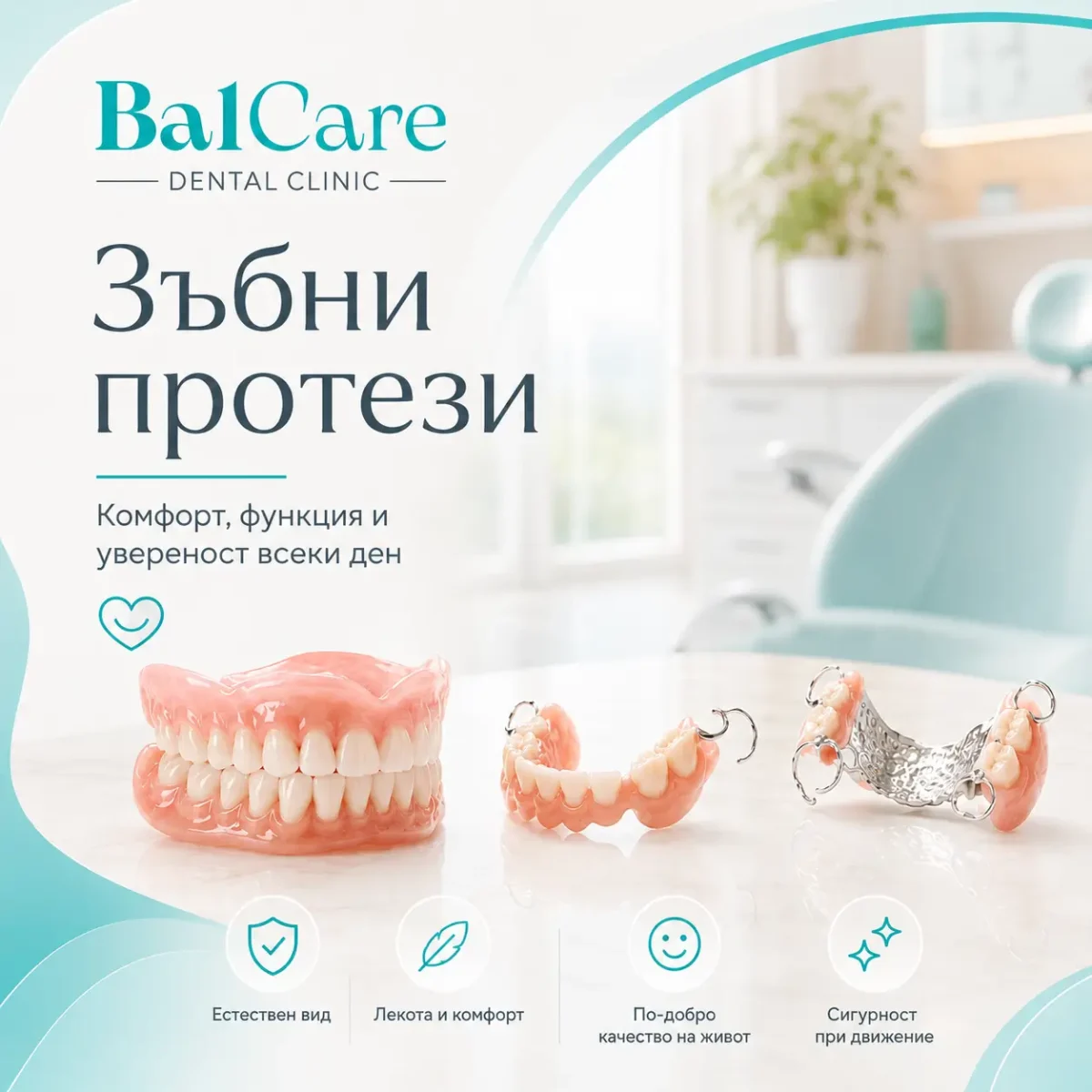
zabni-protezi-akrilni-chastichni-i-s-metalen-skelet-dentalna-klinika_balcare-1200x1200.webp
20/Jul/2026

Removable Dentures – Restoring Your Smile and Chewing Function

Tooth loss is not only an aesthetic concern. It can make eating and speaking more difficult, change the way chewing forces are distributed, and affect a patient’s confidence.

Removable dentures are custom-made dental appliances designed to replace some or all missing teeth. They can be removed and reinserted by the patient and are made according to the individual anatomy of the jaw, the remaining natural teeth, the bite, and the condition of the gums.

At BalCare Dental Clinic, every case is assessed individually because there is no universal denture solution that is suitable for every patient.

When Are Removable Dentures Recommended?

A removable denture may be an appropriate solution in cases of:

  • complete tooth loss in one or both jaws;
  • inability or unwillingness to undergo dental implant treatment;
  • situations in which a fixed dental bridge cannot be made;
  • the need for a temporary restoration following tooth extraction;
  • the need to improve chewing, speech, and aesthetics.

The final choice is made after a dental examination and assessment of the jawbone, oral mucosa, remaining teeth, gums, and the way the upper and lower jaws come into contact.

ThermoSens Dentures – Greater Comfort, Natural Appearance, and Durability

ThermoSens dentures, also commonly referred to by patients as “soft” or “silicone” dentures, are made from a modern thermoplastic polyamide material.

They have been developed as an alternative to traditional acrylic dentures and may be preferred by patients looking for a lighter feel, a more discreet appearance, and good durability in everyday use.

The material has a certain degree of flexibility, allowing the denture to adapt closely to the individual shape of the gums and oral cavity. This can provide a more comfortable feeling during wear and greater comfort when speaking and eating.

What Are the Benefits for the Patient?

Greater Everyday Comfort

Compared with some conventional rigid acrylic dentures, ThermoSens dentures may feel lighter and more comfortable.

The material allows for a finer construction that follows the contours of the oral mucosa and the individual anatomy of the jaw.

A properly made denture can support:

  • more confident chewing;
  • easier pronunciation of words;
  • a reduced feeling of bulkiness in the mouth;
  • faster adaptation to the new denture.

Comfort also depends on the accuracy of the fit, the condition of the gums, and regular follow-up examinations.

A Natural-Looking Smile Without Visible Metal Clasps

One of the most sought-after advantages of partial ThermoSens dentures is the possibility of making the retentive elements from the same material as the denture base.

This can help avoid the visible metal clasps associated with some conventional partial dentures. The colour of the material can be selected to closely resemble the natural shade of the gums or teeth.

The result is a more discreet denture that is less noticeable when:

  • smiling;
  • speaking;
  • eating;
  • being photographed or interacting closely with other people.

High Durability in Everyday Use

ThermoSens is a material with good resistance to impact and fracture.

Thanks to its flexibility, the risk of damage during normal eating or accidental dropping may be lower compared with some traditional acrylic dentures.

This does not mean that the denture is completely unbreakable. It still needs to be handled and cleaned carefully, but it may be a suitable option for patients who are concerned about their denture breaking easily.

No Residual Acrylic Monomer

ThermoSens material does not contain residual acrylic monomer, which may be present in some conventional acrylic materials.

For this reason, the denture may be considered as an alternative for patients who:

  • have sensitive oral mucosa;
  • experience discomfort with conventional acrylic dentures;
  • have a confirmed intolerance to certain acrylic components;
  • are looking for a denture made from a material without residual monomer.

If an allergy or intolerance is suspected, prior consultation is necessary.

It would not be accurate to describe any material as completely “hypoallergenic” for every patient, as an individual reaction may occur with almost any medical material.

Smooth Surface and Easy Maintenance

When properly fabricated and polished, a ThermoSens denture has a smooth surface that facilitates daily cleaning.

The material is resistant to moisture in the oral cavity and, with good hygiene, can maintain its properties and appearance.

To minimise the accumulation of plaque, odours, and stains, it is important to clean the denture every day using appropriate products.

The following should not be used:

  • boiling or very hot water;
  • abrasive toothpastes or cleaning products;
  • hard brushes;
  • bleach or aggressive cleaning agents;
  • self-adjustment, bending, or filing of the denture.

Who Are ThermoSens Dentures Suitable For?

This type of denture may be appropriate in cases of:

  • one or more missing teeth;
  • the need for a partial removable denture;
  • complete tooth loss under suitable clinical conditions;
  • preference for a more discreet restoration without visible metal clasps;
  • sensitivity to conventional acrylic materials;
  • the need for a denture with greater resistance to fracture;
  • inability or unwillingness to undergo implant treatment;
  • preference for a lighter and more comfortable removable restoration.

ThermoSens is not a universal solution for every patient.

The most appropriate type of denture is determined after an examination of the gums, jawbone, bite, and remaining natural teeth.

ThermoSens or a Conventional Acrylic Denture?

Feature Conventional Acrylic Denture ThermoSens Denture
Material Rigid acrylic resin Thermoplastic polyamide
Feel during wear More rigid construction Finer construction with a certain degree of flexibility
Retentive elements Metal clasps may be used Clasps can be made in a shade close to the gums
Aesthetics Good, although clasps may sometimes be visible More discreet appearance in partial dentures
Resistance to accidental dropping Fracture may occur High impact resistance
Residual acrylic monomer May be present depending on the material and manufacturing process Does not contain residual acrylic monomer
Suitability for patients with sensitivity Assessed individually May be considered as an alternative after consultation
Comfort Depends on design and fit May provide a lighter and more adaptable feel

Complete Acrylic Dentures

A complete acrylic denture replaces all teeth in the upper or lower jaw.

It rests on the oral mucosa and the underlying jawbone and is individually fabricated according to the shape and anatomy of the patient’s mouth.

The artificial teeth are arranged to restore the smile, vertical dimension of the bite, and chewing function as effectively as possible.

Who Is It Suitable For?

A complete denture may be recommended for patients who:

  • are missing all teeth in the respective jaw;
  • have remaining teeth that cannot be preserved;
  • cannot or do not wish to undergo implant treatment;
  • require a removable restoration without a surgical procedure.

The stability of a complete denture depends on the shape of the jaw, the amount of remaining bone, the condition of the oral mucosa, saliva production, muscle control, and the accuracy of the denture fit.

Adaptation may sometimes require more time and follow-up adjustments, particularly with lower complete dentures.

Partial Acrylic Dentures

A partial acrylic denture replaces one or more missing teeth when some natural teeth remain in the mouth.

It consists of an acrylic base, artificial teeth, and retentive elements that help stabilise the denture against some of the remaining teeth.

Partial dentures can be designed in different ways depending on the position and condition of the natural teeth.

When May It Be Recommended?

A partial acrylic denture may be suitable:

  • when several teeth are missing;
  • when there are large areas of missing teeth;
  • when a fixed bridge cannot be made;
  • as a temporary solution during longer-term dental treatment;
  • when healing or changes in the tissues are expected after tooth extraction;
  • when the denture may need to be adjusted or additional teeth added at a later stage.

With this type of denture, it is particularly important to maintain the health of the remaining natural teeth and gums.

Plaque accumulation around the retentive elements may increase the risk of gum inflammation and tooth decay if oral hygiene is inadequate.

Cast Metal Framework Partial Dentures

A cast metal framework denture is a type of partial removable denture with a precisely fabricated metal framework. Acrylic sections and artificial teeth are attached to this framework.

Thanks to the rigid metal framework, the denture can be made thinner in certain areas while still providing good stability and controlled distribution of chewing forces.

The denture may be retained using different types of support and retentive elements. Their design is selected individually according to the position and condition of the remaining natural teeth.

Main Advantages

  • stable and rigid construction;
  • reduced bulk in certain areas compared with a fully acrylic base;
  • good distribution of chewing forces when properly planned;
  • the possibility of restoring larger areas of missing teeth;
  • a suitable long-term option in appropriately selected cases.

It is important to understand that the presence of a metal framework does not automatically make this type of denture the best option for every patient.

The choice between an acrylic and a cast metal partial denture depends on the individual clinical situation, the supporting teeth, the bite, oral hygiene, and the patient’s expectations.

Scientific comparisons also do not identify one design as universally superior for all patients.

Comparison of Different Types of Dentures

Feature Complete Acrylic Denture Partial Acrylic Denture Cast Metal Framework Denture ThermoSens Denture
Purpose Complete tooth loss Partial tooth loss Partial tooth loss Partial or complete tooth loss
Material Acrylic resin Acrylic resin Metal framework and acrylic Thermoplastic polyamide
Comfort Depends on fit and anatomy Depends on design and stability Finer and more stable construction Lightweight, fine, and slightly flexible
Aesthetics Restores the natural appearance of the smile Good, although metal clasps may be visible Good, although some metal elements may be visible Highly aesthetic with the possibility of retention without visible metal clasps
Durability May fracture if dropped May fracture if dropped High stability and strength High resistance to impact and fracture during normal use
Suitable for sensitivity to acrylic Assessed individually Assessed individually Assessed individually Contains no residual acrylic monomer and may be considered as an alternative
Main advantage Accessible removable solution for complete tooth loss Restores missing teeth while preserving remaining natural teeth Stability and good distribution of chewing forces Comfort, natural appearance, durability, and no visible metal clasps

How Is the Right Denture Selected?

The choice of denture should not be based solely on price or material.

Before treatment, the dentist evaluates:

  • the number and position of the missing teeth;
  • the condition of the remaining natural teeth;
  • the health of the gums and periodontal tissues;
  • the amount and shape of the remaining jawbone;
  • the bite and chewing forces;
  • the patient’s ability to maintain good oral hygiene;
  • the patient’s general health;
  • expectations regarding comfort and aesthetics.

In some cases, treatment of tooth decay or gum disease, professional dental cleaning, extraction of teeth that cannot be preserved, or adjustment of old restorations may be necessary before denture treatment begins.

How Are Dentures Made?

The process usually involves several clinical and laboratory stages:

  1. Comprehensive examination and treatment planning.
  2. Taking dental impressions or performing a digital scan, when appropriate for the individual case.
  3. Recording the bite and determining the position of the future teeth.
  4. Trial fitting of the denture and assessment of its aesthetics.
  5. Placement of the finished denture.
  6. Follow-up appointments and any necessary adjustments.

The number of visits may vary depending on the type of denture and the condition of the oral cavity.

Is an Adaptation Period Normal?

Yes.

During the first few days, a new denture may feel bulkier than expected. Patients may experience increased saliva production, changes in the pronunciation of certain sounds, slower eating, and sensitive areas on the gums.

These sensations usually decrease gradually as the patient becomes accustomed to the new denture.

However, pain, sores, significant movement of the denture, or an inability to eat should not be considered something the patient simply has to tolerate.

A follow-up appointment with the dentist is necessary so that the appropriate adjustments can be made.

The denture should never be filed, reshaped, or adjusted by the patient.

How Should You Care for Your Denture?

The denture should be cleaned every day. The natural teeth, gums, tongue, and palate should also be cleaned using an appropriate toothbrush.

With partial dentures, particularly careful hygiene is required around the natural teeth that support or retain the denture.

It is recommended to:

  • rinse the denture after meals;
  • clean it with a soft brush and an appropriate denture-cleaning product;
  • avoid hot water, which may deform the material;
  • avoid aggressive household cleaning products;
  • carefully clean all remaining natural teeth;
  • remove the denture at night unless your dentist has advised otherwise;
  • attend regular preventive dental examinations.

Removable dentures are not lifetime restorations.

Over time, the shape of the gums and jawbone may change, making adjustment, relining, or fabrication of a new denture necessary.

When Is a Follow-Up Examination Necessary?

Contact your dentist if:

  • the denture causes pain or sores;
  • it begins to move more than usual;
  • it breaks or becomes deformed;
  • the retentive elements become loose;
  • you experience difficulty chewing or speaking;
  • redness, burning, or swelling of the oral mucosa develops;
  • you notice a change in your bite;
  • the denture no longer fits in the same way.

Individual Denture Treatment Planning at BalCare

A well-designed denture should do more than simply fill the space left by missing teeth.

It should be planned to restore chewing, speech, appearance, and comfort as effectively as possible, while protecting the remaining teeth and oral tissues.

At BalCare Dental Clinic, you will receive an individual assessment and a clear explanation of which type of denture is most suitable for your specific needs.

BalCare Dental Clinic
📞 +359 879 882 883
📧 info@balcare.bg
📍 147B Al. Stamboliyski Blvd., Sofia, Bulgaria
🌐 balcare.bg
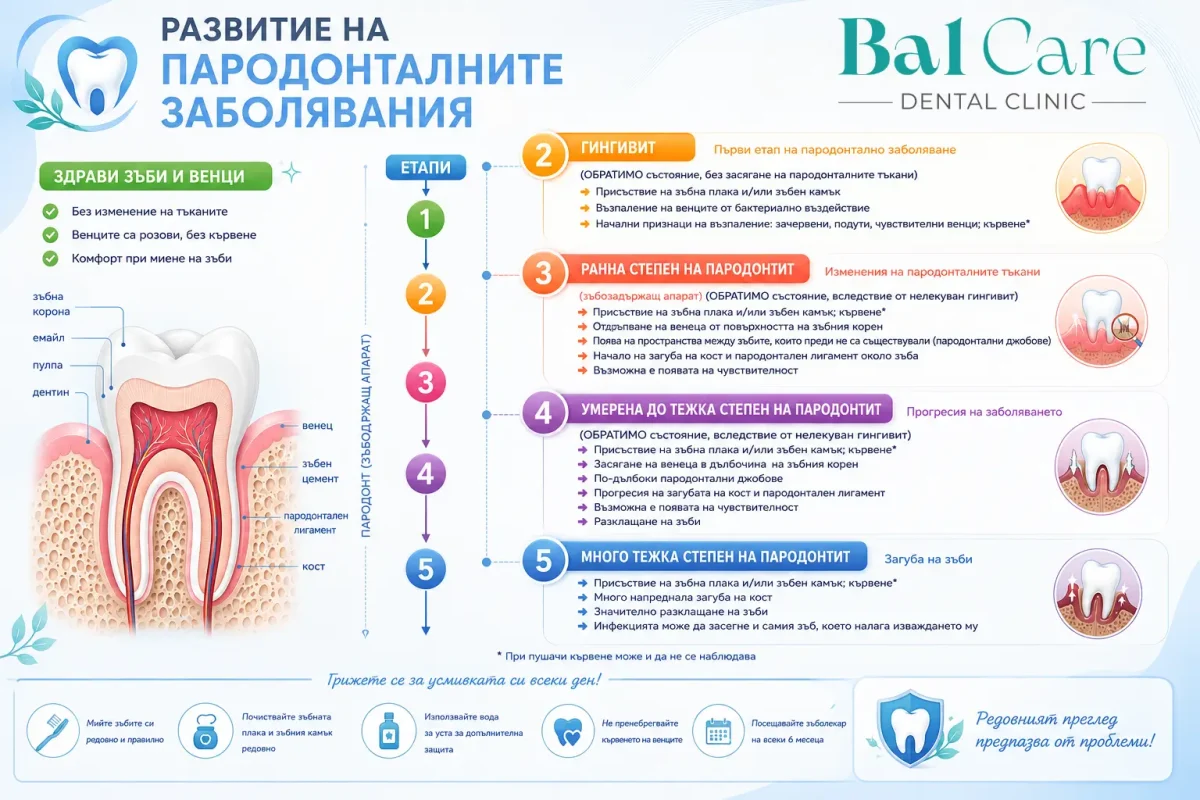

parodontalni-zabolyavaniya-dentalna-klinika-balcare-1200x800.webp
10/May/2026

Progression of Periodontal Disease – Symptoms, Stages, and Why Early Prevention Is So Important

Periodontal diseases are chronic inflammatory conditions that affect the gums and the bone surrounding the teeth. They begin with gingivitis and may gradually progress to periodontitis, which can lead to tooth mobility and tooth loss if timely treatment is not provided.

Periodontal diseases are among the most common chronic conditions worldwide and affect millions of people across all age groups. In their early stages, they often progress with very few noticeable symptoms, which is one of the main reasons many patients seek professional help too late.

The condition usually begins with inflammation of the gums, known as gingivitis. If it is not treated in time, the inflammation may gradually spread to the deeper tissues and bone that support the teeth. This condition is known as periodontitis and may eventually lead to tooth mobility and tooth loss.

According to the World Health Organization, severe forms of periodontitis affect nearly 19% of the global adult population. Data also show that periodontal diseases are among the leading causes of natural tooth loss in adults.

What Are Periodontal Diseases?

Periodontal diseases are inflammatory conditions that affect the tissues surrounding the teeth – the gums, periodontal ligament, and supporting bone.

The main cause of their development is the accumulation of bacterial plaque and dental calculus.

When plaque is not effectively removed through proper oral hygiene, bacteria begin to irritate the gums and trigger inflammation.

In the early stage, the process is reversible. However, without treatment, the supporting structures around the teeth may gradually become damaged.

More than 50% of people over the age of 30 have some form of periodontal disease. Among smokers, the risk of developing severe periodontitis may be up to three times higher.

Main Risk Factors

  • inadequate oral hygiene;
  • smoking;
  • diabetes;
  • genetic predisposition;
  • stress;
  • hormonal changes;
  • a weakened immune system.

How Does Periodontal Disease Begin?

The progression of periodontal disease occurs through several main stages.

Each stage is characterised by different symptoms and changes in the tissues surrounding the teeth.

Healthy Gums and Teeth

In a healthy mouth, the gums are pale pink, firm, and do not bleed.

There is no inflammation, and the bone and tissues surrounding the teeth remain stable.

Patients usually experience no discomfort or sensitivity, and brushing does not cause pain or bleeding.

Regular preventive care and good oral hygiene are the main factors in maintaining this healthy condition over the long term.

Gingivitis – The First Stage of Periodontal Disease

Gingivitis is the earliest form of periodontal disease.

It is an inflammation of the gums caused by bacterial plaque.

This stage is reversible, which means that with appropriate treatment and good oral hygiene, the gums can fully return to a healthy condition.

The Most Common Symptoms of Gingivitis Include:

  • red gums;
  • swelling;
  • bleeding when brushing the teeth;
  • sensitivity;
  • bad breath.

Many people ignore these symptoms because severe pain is usually absent.

This is precisely what can allow the condition to progress unnoticed.

Studies published in the Journal of Clinical Periodontology indicate that untreated gingivitis significantly increases the risk of developing periodontitis in the following years.

Early Periodontitis – The Beginning of Tissue Damage

When inflammation persists for a prolonged period, bacteria begin to penetrate deeper below the gum line.

Gradually, so-called periodontal pockets begin to form.

This marks the beginning of periodontitis – a chronic condition in which the structures supporting the teeth are already affected.

Symptoms of Early Periodontitis

  • gum recession;
  • sensitivity to hot and cold;
  • development of periodontal pockets;
  • early bone loss;
  • increased gum bleeding.

Although the process has already reached the deeper tissues, early treatment can significantly slow the progression of the disease and help preserve the teeth for many years.

Moderate to Severe Periodontitis

As the condition progresses, bone loss becomes more pronounced.

The gums continue to recede, while the teeth gradually lose stability.

Most Common Symptoms

  • loose teeth;
  • pain when chewing;
  • persistent bad breath;
  • accumulation of dental calculus;
  • exposed tooth roots.

At this stage, treatment becomes more complex and often requires a combined approach, including professional cleaning, periodontal therapy, medication, and, in some cases, surgical procedures.

Very Severe Periodontitis and Tooth Loss

In the most advanced stage, the bone surrounding the teeth may be severely damaged.

The teeth become unstable and may begin to shift position or eventually be lost.

In some cases, the infection may reach the tooth roots and surrounding tissues, making extraction of the affected teeth necessary.

In addition to being a functional problem, tooth loss can affect:

  • speech;
  • eating;
  • self-confidence;
  • quality of life.

How Can Periodontal Disease Affect Overall Health?

Modern medicine does not consider periodontal disease to be only a local problem affecting the mouth.

Chronic inflammation may influence the body as a whole.

Scientific studies have associated periodontitis with:

  • cardiovascular disease;
  • diabetes;
  • pregnancy complications;
  • respiratory infections;
  • chronic inflammatory conditions.

Bacteria and inflammatory mediators may enter the bloodstream and potentially affect different organs and systems.

How Can We Protect Our Gums and Teeth?

Prevention is the most effective way to reduce the risk of periodontal disease.

Dental Professionals Recommend:

  • brushing the teeth at least twice a day;
  • using dental floss or interdental brushes;
  • professional removal of dental calculus;
  • preventive dental examinations every 6 months;
  • reducing or avoiding smoking;
  • maintaining good control of systemic conditions such as diabetes.

Regular dental examinations allow periodontal problems to be detected at an early stage, before severe symptoms and irreversible damage develop.

Why Is Early Diagnosis So Important?

In their early stages, periodontal diseases can be successfully controlled and treated.

The earlier a problem is identified, the greater the chance of preserving the natural teeth.

Many patients seek professional help only after they notice tooth mobility, but by that stage the disease is often already advanced.

Early prevention, good oral hygiene, and regular dental visits are key to maintaining healthy gums and a long-lasting smile.

Frequently Asked Questions

Can Gingivitis Be Treated?

Yes.

Gingivitis is a reversible condition when it is detected early and managed with appropriate home care, professional cleaning, and effective plaque control.

Is Bleeding from the Gums Normal?

No.

Bleeding is most commonly a sign of inflammation and should not be ignored, even when there is no pain.

Can Periodontitis Lead to Tooth Loss?

Yes.

In advanced periodontitis, the bone surrounding the teeth is progressively destroyed, which may lead to tooth mobility and eventual tooth loss.

How Often Should I Have a Preventive Dental Examination?

A preventive dental check-up is recommended at least once every 6 months.

Book an Appointment for a Preventive Dental Examination

Early detection of periodontal disease can help prevent serious complications and tooth loss.

Regular preventive examinations and professional dental hygiene are among the best ways to protect the health of your gums and maintain your smile.

If you experience bleeding gums, sensitivity, or persistent bad breath, do not postpone a consultation with a dental professional.

This article was prepared with the participation of periodontal specialists at BalCare Dental Clinic and is based on current scientific publications and international recommendations.

Last updated: 2025

Scientific Sources

  1. World Health Organization (WHO) – Oral Health Fact Sheets
  2. Tonetti MS, Greenwell H, Kornman KS. Staging and grading of periodontitis: Framework and proposal of a new classification. Journal of Periodontology, 2018.
  3. Papapanou PN et al. Periodontitis: Consensus report of workgroup 2 of the 2017 World Workshop. Journal of Clinical Periodontology, 2018.
  4. Nazir MA. Prevalence of periodontal disease and association with systemic diseases. International Journal of Health Sciences, 2017.
  5. Kinane DF, Stathopoulou PG, Papapanou PN. Periodontal diseases. Nature Reviews Disease Primers, 2017.

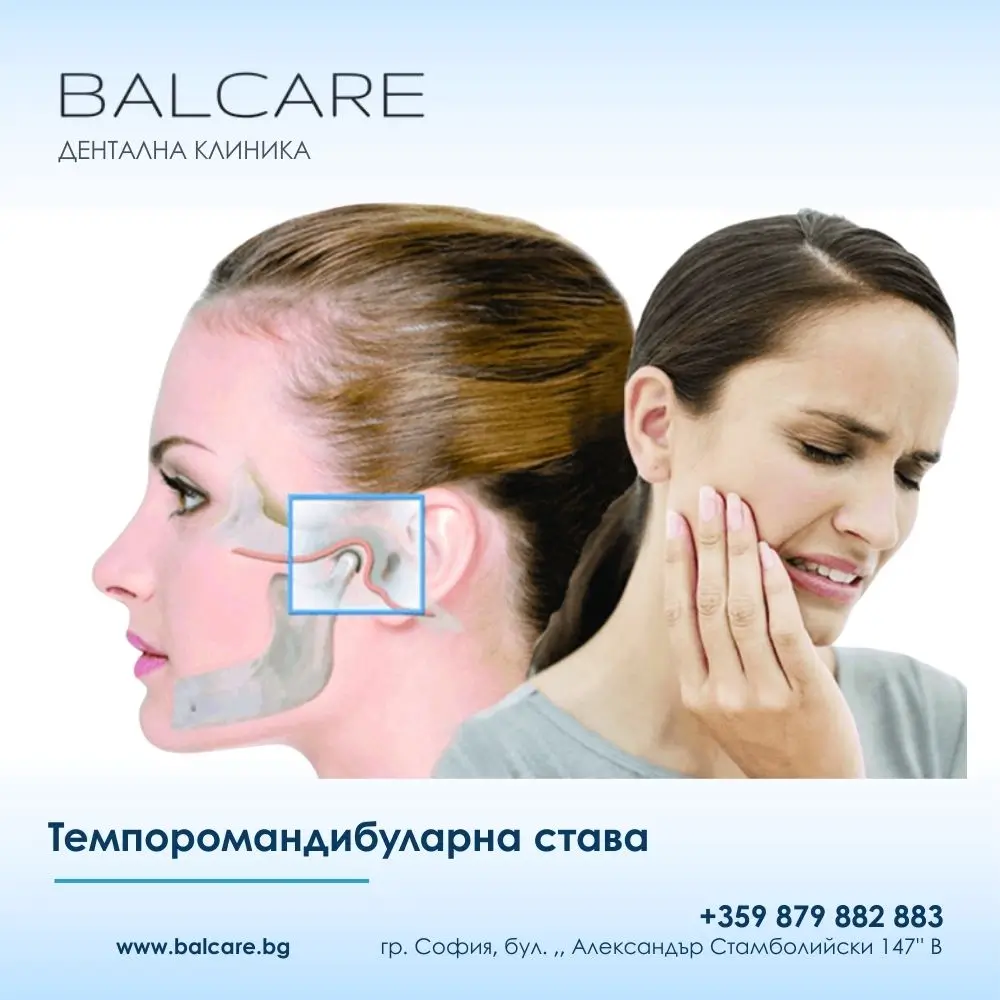
temporomandibularna-stava-dentalna-klinika-balcare.webp
15/Feb/2026

What Is the Temporomandibular Joint?

The temporomandibular joint (TMJ) is a paired joint that connects the lower jaw to the skull. It is located just in front of the ears on both sides of the head and is one of the most complex joints in the human body.

Every time we speak, chew, yawn, or swallow, we use the temporomandibular joint.

The TMJ functions partly like a hinge, allowing the jaw to move up and down, forward and backward, and from side to side. This flexibility enables us to speak, chew, and express emotions through facial movements.

Anatomy of the Temporomandibular Joint

The temporomandibular joint consists of several key components:

  • Joint capsule – surrounds the joint and helps maintain its stability;
  • Articular disc – a cartilaginous structure that acts as a cushion between the bony surfaces;
  • Muscles – provide and control jaw movement;
  • Ligaments – support the joint and help limit excessive movement.

When all of these components work together harmoniously, the joint functions smoothly and without pain.

The Most Common Symptoms and Complaints

Problems involving the temporomandibular joint, known as temporomandibular disorders (TMD), can cause a wide range of symptoms.

Pain and Discomfort

  • dull or sharp jaw pain;
  • pain around the ear, which may sometimes be mistaken for an ear infection;
  • pain in the temples and cheeks;
  • headaches, particularly in the temple region;
  • pain in the neck and shoulders.

Joint Sounds and Movement Problems

  • clicking or popping when opening or closing the mouth;
  • grating or grinding sounds within the joint;
  • a feeling that the jaw “catches” or “locks”;
  • restricted mouth opening;
  • deviation of the jaw during opening.

Other Symptoms

  • difficulty chewing or discomfort while eating;
  • dizziness or vertigo;
  • ringing in the ears (tinnitus);
  • a sensation of blocked or full ears;
  • changes in the way the upper and lower teeth come together (occlusion).

What Causes Temporomandibular Disorders?

Temporomandibular disorders may have multiple causes, and several factors are often present at the same time.

Physical Factors

  • Bruxism – grinding or clenching the teeth, particularly during sleep;
  • Trauma – injury or impact affecting the jaw or head;
  • Arthritis – inflammatory disease involving the joint;
  • abnormal occlusion or tooth contacts;
  • degenerative or structural changes involving the articular disc;
  • poor posture, particularly involving the head and neck.

Habits and Lifestyle Factors

  • chewing gum for prolonged periods;
  • biting hard objects such as pencils or nails;
  • chewing predominantly on one side;
  • resting the jaw on the hand;
  • poor workplace ergonomics.

Emotional Factors

  • Stress – one of the important contributing factors;
  • anxiety;
  • depression;
  • tension that contributes to jaw clenching.

How Are Temporomandibular Disorders Diagnosed?

Diagnosis of temporomandibular disorders generally involves several steps.

Clinical Examination

The dental professional will:

  • take a detailed history of the patient’s symptoms;
  • examine jaw movement;
  • palpate the muscles and joint for tender or painful areas;
  • assess how the teeth come together;
  • check for joint sounds.

Additional Diagnostic Tests

When necessary, further imaging may be recommended:

  • X-ray – for assessment of bony structures;
  • Magnetic resonance imaging (MRI) – for visualisation of soft tissues and the articular disc;
  • Computed tomography (CT) – for detailed evaluation of the bone.

Treatment Options

Treatment for temporomandibular disorders is individualised and depends on the cause and severity of the condition.

Conservative Treatment – First-Line Approach

Many cases improve with non-invasive methods.

Self-Care and Habit Modification

  • avoiding very hard foods;
  • taking smaller bites;
  • avoiding extreme jaw movements, including excessive yawning;
  • applying warm or cold compresses;
  • relaxation and stress-management techniques.

Physiotherapy

  • jaw strengthening exercises;
  • stretching exercises;
  • muscle massage;
  • LED red light therapy.

Medication

When clinically appropriate, treatment may include:

  • anti-inflammatory medication such as ibuprofen or naproxen;
  • muscle relaxants;
  • pain-relieving medication when needed;
  • in selected cases, antidepressant medication for chronic pain management.

Dental Treatment

Occlusal Splint

A custom-made occlusal splint may be used to:

  • protect the teeth from grinding and clenching;
  • reduce excessive loading on the joint;
  • support a more stable jaw position;
  • provide an individually fabricated appliance made by a dental laboratory.

Orthodontic Treatment

Orthodontic treatment may be considered when correction of the bite is necessary.

It can help improve tooth alignment and occlusal relationships when clinically indicated.

Prosthodontic Treatment

This may include:

  • replacement of missing teeth;
  • restoration of severely worn teeth.

Prevention and Care of the Temporomandibular Joint

Everyday Habits

  • Maintain good posture – keep your head in a balanced position, particularly when working at a computer;
  • Avoid unnecessary teeth clenching – the jaw should remain relaxed when you are not eating or speaking;
  • Chew on both sides – distribute the functional load as evenly as possible;
  • Limit chewing gum – avoid prolonged gum chewing;
  • Be careful when yawning – support the jaw if you need to open the mouth very widely.

Stress Management

  • practise relaxation techniques such as meditation and deep breathing;
  • get sufficient sleep;
  • maintain regular physical activity;
  • consider yoga or tai chi;
  • seek psychological support when appropriate.

Dietary Recommendations

  • avoid very hard foods such as nuts, ice, and hard sweets during painful periods;
  • cut food into smaller pieces;
  • choose softer foods during a flare-up;
  • avoid taking very large bites.

Frequently Asked Questions

Is Clicking in the Jaw Dangerous?

Clicking on its own is not necessarily dangerous.

Many people experience joint clicking without pain or other symptoms.

However, if the clicking is accompanied by pain, restricted movement, locking, or other symptoms, consultation with a specialist is recommended.

How Long Does Treatment Take?

The duration of treatment varies considerably depending on the severity of the problem and the individual response to therapy.

Mild cases may improve within several weeks, while chronic conditions may require several months or longer-term management.

Will I Need to Wear a Splint for the Rest of My Life?

Not necessarily.

Many patients use an occlusal splint temporarily while their symptoms improve and while new habits are established.

However, some patients may require longer-term use, particularly when chronic bruxism is present.

Can Temporomandibular Disorders Be Completely Treated?

Many patients achieve significant or complete relief from their symptoms with appropriate treatment.

For others, TMD may be a chronic condition that requires long-term management.

Early diagnosis and an appropriate individual treatment plan are important.

Will I Need Surgery?

Most temporomandibular disorders can be successfully managed without surgery.

Surgical treatment is generally considered only in selected severe cases when appropriate conservative treatment has not produced sufficient improvement.

Does Stress Really Affect the Temporomandibular Joint?

Yes.

Stress can be an important contributing factor.

When people are under stress, they may unconsciously clench or grind their teeth, increasing the load on the temporomandibular joint and the surrounding muscles.

For this reason, stress management can be an important part of treatment.

Can I Chew Gum?

If you have problems involving the temporomandibular joint, it is generally advisable to limit or temporarily avoid chewing gum because it increases repetitive loading of the joint.

Once the symptoms improve, moderate gum chewing may be resumed if your dental professional considers it appropriate.

When Should I Seek Professional Help?

You should consider consulting a specialist if:

  • you have persistent or frequently recurring jaw pain;
  • you cannot fully open or close your mouth;
  • significant clicking or popping is accompanied by pain;
  • your symptoms interfere with eating, speaking, sleeping, or your overall quality of life.

Is There a Relationship Between Dental Procedures and Temporomandibular Disorders?

Long or complex dental procedures may temporarily aggravate TMD symptoms because the mouth remains open for an extended period.

If you already have problems involving the temporomandibular joint, inform your dentist before treatment so that appropriate precautions can be taken.

The temporomandibular joint plays a vital role in everyday life, even though most of us rarely think about it.

Problems involving the TMJ can significantly affect quality of life, but with timely diagnosis and appropriate treatment, many patients experience substantial improvement.

If you have symptoms associated with the temporomandibular joint, do not wait for them to become more severe.

Early assessment and treatment are often the most effective way to prevent persistent or chronic problems.

For a consultation and examination, contact Dr Trajko Balabanov, who provides an individual approach to the diagnosis and treatment of conditions related to the temporomandibular joint.

Do not let jaw pain limit your daily life. Book a consultation today.


korenovo-lechenie-pod-mikroskop-dentalna-klinika-balcare.jpg
25/May/2025

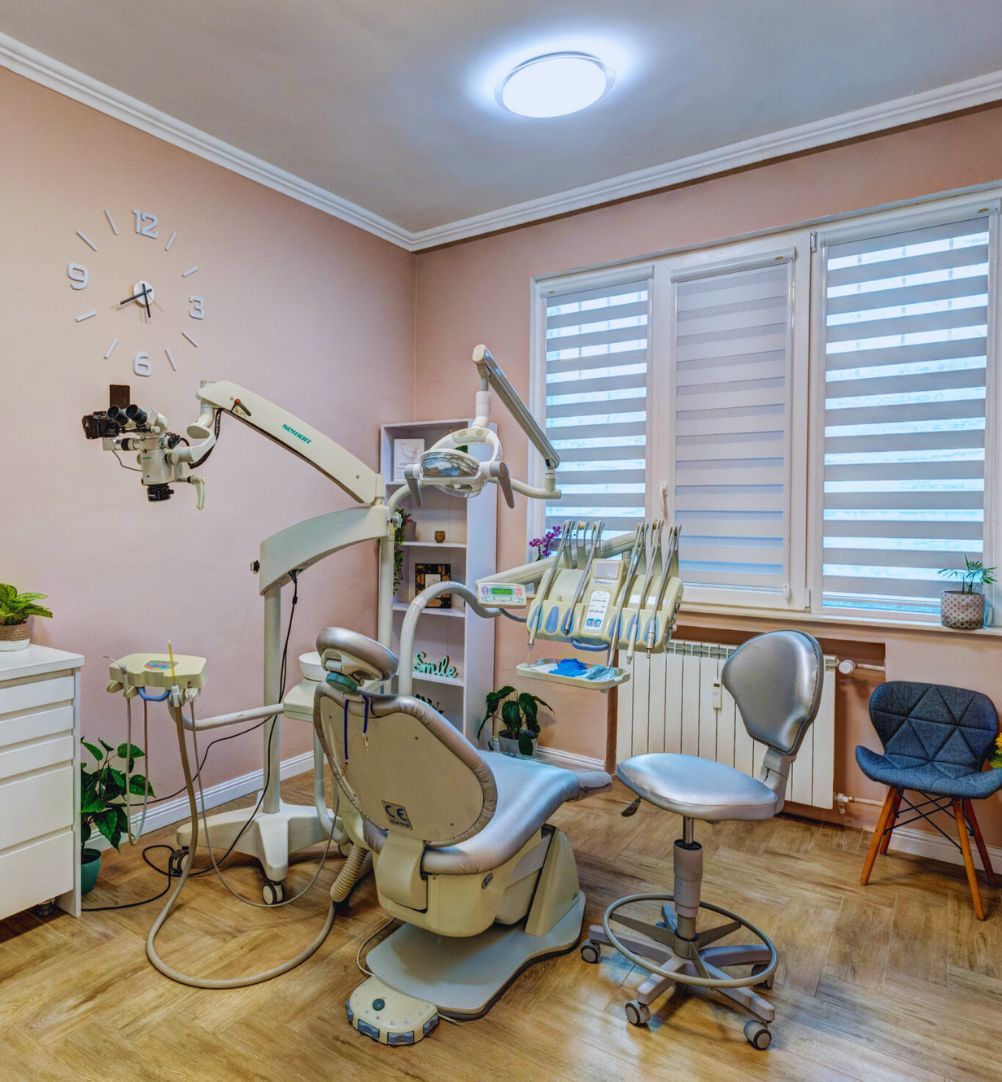
At BalCare Dental Clinic Sofia, we offer modern and gentle root canal treatment (endodontic treatment) under a microscope, which significantly increases the efficiency, safety, and durability of the result. Using a specialized endodontic microscope, our specialists can work with up to 40x magnification, ensuring exceptionally precise processing and diagnostics during root canal treatment. We use a Semorr endodontic microscope equipped with a built-in 4K Ultra HD digital camera, which allows for detailed visualization of the tooth structure in real time, as well as capturing photos and videos in exceptionally high resolution.


ocvetyavane-na-zybite-dentalna-klinika-balcare.jpg
23/May/2025

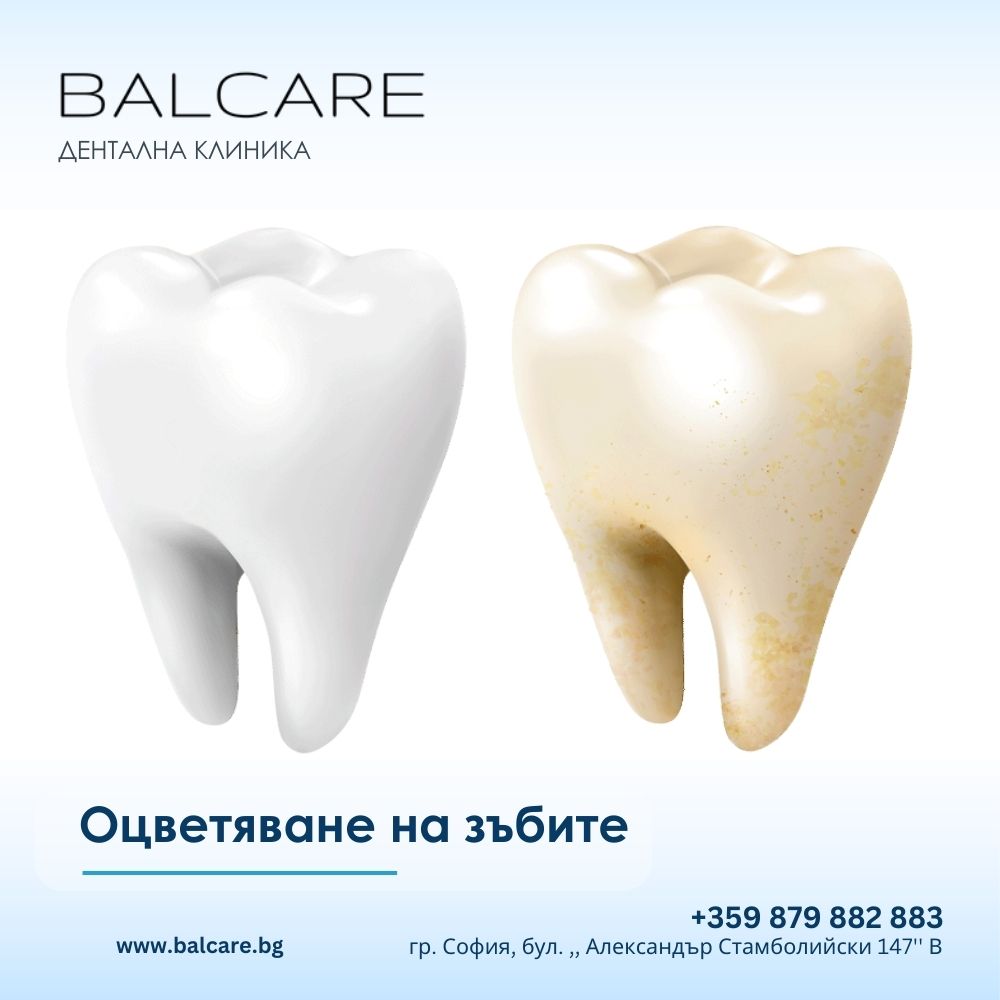
Промените в цвета на зъбите са често срещан проблем, който засяга хора от всички възрасти. Независимо дали става дума за леки петна или значително потъмняване, оцветяването на зъбите може да повлияе негативно на самочувствието и усмивката. В тази статия ще разгледаме основните причини за промяна в цвета на зъбите, как да ги разпознаем и какви са възможностите за лечение и превенция.


pulpit_lechenie_dentalna-klinika_balcare.jpeg
18/May/2025

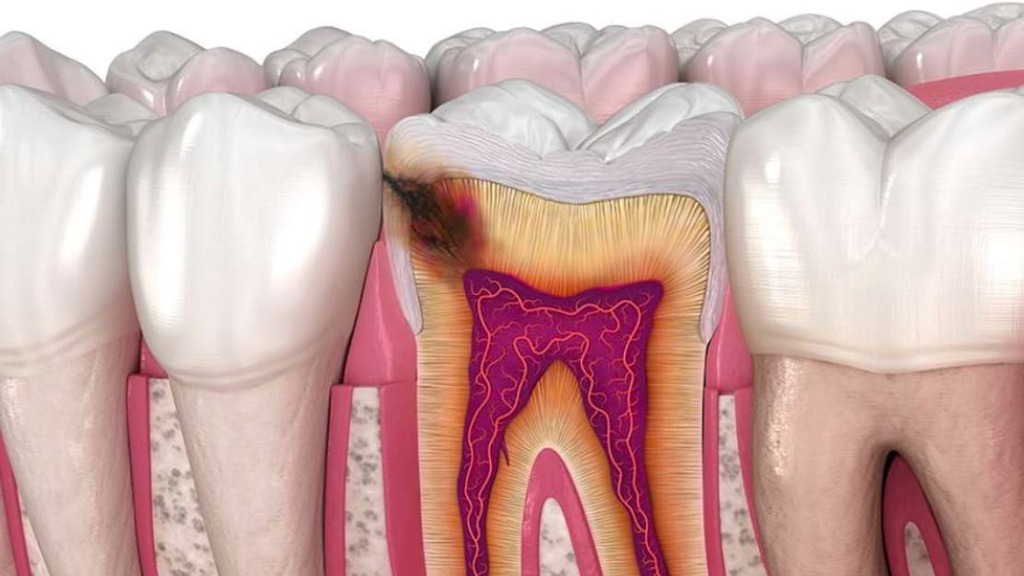
Пулпитът представлява възпаление на меките тъкани на зъба (зъбната пулпа), което се причинява от патогенни микроорганизми – най-често стрептококи. Тези тъкани включват фини кръвоносни съдове и нервни влакна, които захранват зъба и му осигуряват чувствителност. Когато дълбокият кариес не бъде лекуван навреме, бактериите достигат пулпата през кореновите канали и предизвикват възпалителен процес, чийто основен симптом е силната болка. Пулпитът може да бъде както остър, така и хроничен. Нелекуван, той може да доведе до по-сериозни усложнения като абсцес, периодонтит или дори загуба на зъба. Своевременното му ендодонтско лечение е от съществено значение за запазването на зъба и здравето на пациента.


vyzpaleni-venci-dentalna_klinika-balcare.jpg
09/Apr/2025

Възпалението на венците, известно още като гингивит и в по-напреднал стадий – пародонтит, е сред най-често срещаните стоматологични проблеми в световен мащаб. Като опитен пародонтолог, ежедневно се сблъсквам с пациенти, които пренебрегват първите сигнали на възпаление, което води до усложнения и загуба на зъби. Целта на тази статия е да предоставя цялостна информация за симптомите, причините, етапите на развитие, лечение и превенция на възпалените венци.


izbelvane-na-zybi-kakvo-tryabva-da-znaem-dentalna-klinika-balcare-1200x1200.jpg
04/Apr/2025

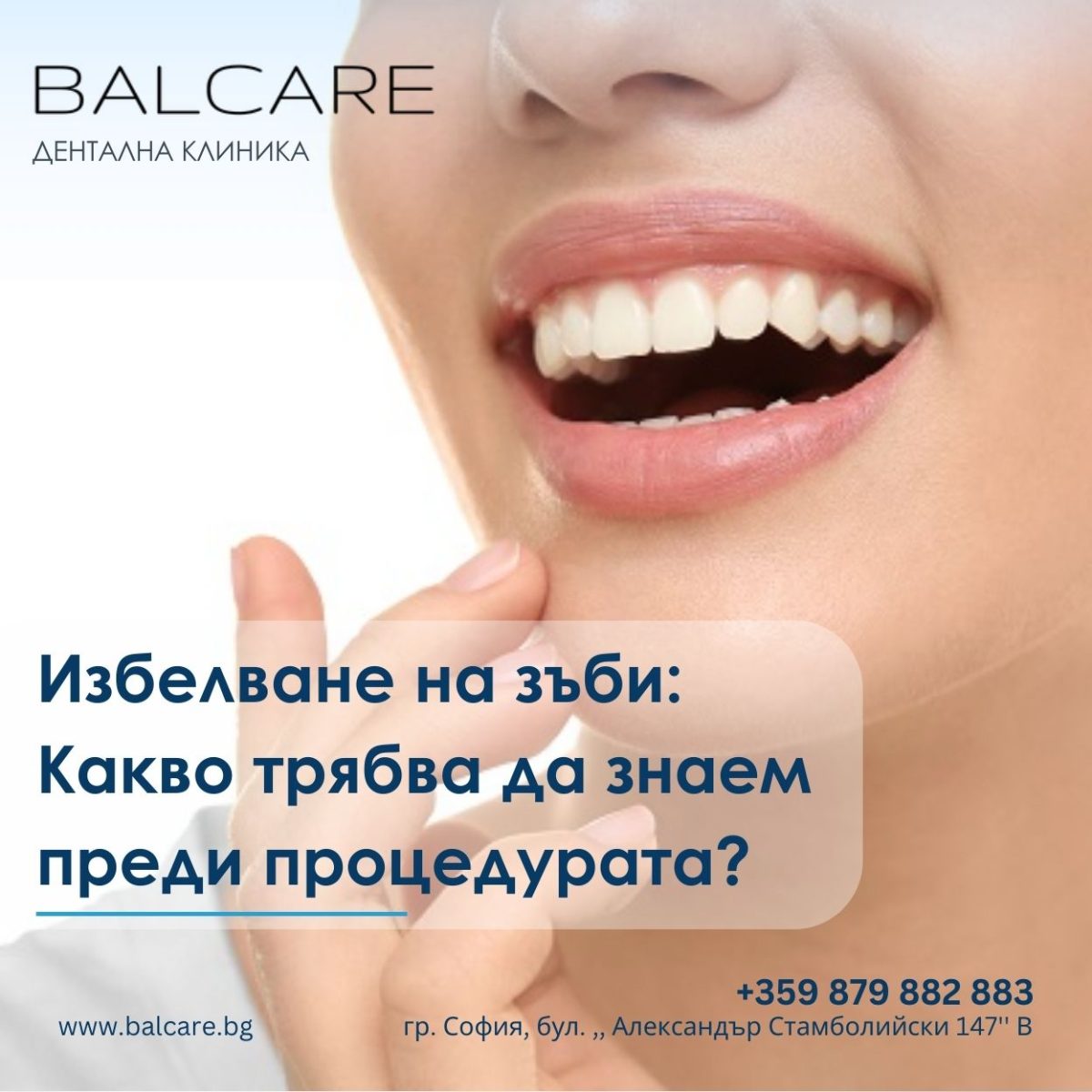
Красивата бяла усмивка е символ на здраве и самочувствие. Избелването на зъби е една от най-популярните естетични дентални процедури, която помага за премахване на петна и пожълтявания, натрупани с времето. В тази статия ще разгледаме как работи избелването, кои са най-често използваните методи и как да поддържаме резултатите.


halitoza-losh-dyh-balcare.jpg
27/Mar/2025

Halitosis – Causes, Symptoms and Effective Ways to Manage Bad Breath

Halitosis, or persistent bad breath, is a common condition that can have many different causes.

In most cases, the source is within the mouth and may be related to bacterial accumulation on the tongue, inadequate oral hygiene, gum disease, dry mouth, or untreated dental problems.

Less commonly, persistent bad breath may also be associated with conditions outside the oral cavity, such as certain respiratory or gastrointestinal disorders.

Although chewing gum, mints, and mouth sprays can temporarily improve breath, they usually mask the odour rather than address its underlying cause.

What Are the Main Causes of Chronic Bad Breath?

Halitosis may be caused by one or several factors.

Bacterial Coating on the Tongue

The back of the tongue contains numerous small grooves and papillae where:

  • bacteria;
  • food debris;
  • dead cells;

can accumulate.

These bacteria may produce volatile sulphur compounds, which are among the main substances responsible for unpleasant breath.

For many people, the tongue is therefore an important source of oral malodour.

Dry Mouth – Xerostomia

Saliva naturally helps clean the mouth, neutralise acids, and limit bacterial accumulation.

When saliva production is reduced, the mouth becomes drier and bacteria can multiply more easily.

Xerostomia, or dry mouth, may be associated with:

  • certain medications;
  • dehydration;
  • mouth breathing;
  • smoking;
  • some medical conditions;
  • reduced salivary gland function.

Bad breath is often more noticeable in the morning because saliva production naturally decreases during sleep.

Gum Disease

Gingivitis and periodontitis are common oral causes of persistent bad breath.

When periodontal pockets develop around the teeth, bacteria and debris can accumulate below the gum line.

Other signs may include:

  • bleeding gums;
  • swelling;
  • gum recession;
  • bad taste in the mouth;
  • loose teeth in advanced cases.

Persistent halitosis together with gum bleeding should therefore be assessed by a dentist or periodontist.

Tooth Decay and Other Dental Problems

Untreated cavities, dental infections, defective restorations, and food trapped around difficult-to-clean areas can also contribute to unpleasant breath.

This is another reason why persistent halitosis should not be treated with mouthwash alone.

Gastro-Oesophageal Reflux

Gastro-oesophageal reflux disease (GORD/GERD) may contribute to unpleasant taste or breath in some patients.

However, persistent halitosis is more commonly caused by oral factors than by the stomach.

If a thorough dental examination does not identify a cause and symptoms of reflux are also present, further medical assessment may be appropriate.

Diet

Certain foods can temporarily affect breath.

Common examples include:

  • garlic;
  • onions;
  • strongly spiced foods;
  • alcohol;
  • coffee.

After digestion, some aromatic compounds enter the bloodstream and are released through the lungs, meaning that brushing alone cannot always remove the odour immediately.

What Are the Symptoms of Halitosis?

The main symptom is persistent unpleasant breath, but patients may also notice:

  • an unpleasant or metallic taste;
  • a coated tongue;
  • dry mouth;
  • frequent bad taste on waking;
  • gum bleeding;
  • visible plaque or tartar;
  • recurring mouth dryness.

Many people find it difficult to assess their own breath accurately, so feedback from a trusted person or professional evaluation may sometimes be helpful.

How Can Halitosis Be Treated?

The most effective treatment depends on identifying the underlying cause.

1. Clean the Tongue Regularly

Cleaning the tongue can help reduce bacterial accumulation and volatile sulphur compounds.

A tongue scraper or appropriately designed toothbrush may be used gently, particularly on the back of the tongue.

There is no need to scrape aggressively, as this may irritate the tongue.

The most important factor is regular and gentle cleaning, rather than the specific material from which the scraper is made.

2. Improve Oral Hygiene

Daily oral hygiene is essential.

This should include:

  • brushing twice a day with fluoride toothpaste;
  • cleaning between the teeth every day;
  • using interdental brushes or dental floss;
  • cleaning removable dentures or appliances thoroughly;
  • cleaning the tongue.

If plaque remains between the teeth or below the gum line, mouthwash alone will not solve the problem.

3. Maintain Good Hydration

Drinking sufficient water can help when dry mouth contributes to halitosis.

Other useful measures may include:

  • chewing sugar-free gum to stimulate saliva;
  • limiting alcohol;
  • reducing tobacco use;
  • discussing medication-related dry mouth with a healthcare professional.

Persistent xerostomia should be professionally assessed.

4. Mouth Rinses

Certain mouthwashes can help reduce oral bacteria and temporarily improve breath.

Chlorhexidine may be useful in selected dental situations, but it is usually recommended for limited periods and under professional guidance.

Prolonged use may cause:

  • tooth staining;
  • altered taste;
  • increased tartar accumulation in some patients.

For this reason, chlorhexidine should not be used indefinitely as a general solution for bad breath.

5. What About Baking Soda Rinses?

Sodium bicarbonate can temporarily alter the oral environment and may help neutralise acidity.

However, it should not be regarded as a primary treatment for chronic halitosis.

If unpleasant breath persists, the more important step is to identify whether there is:

  • tongue coating;
  • gum disease;
  • dental caries;
  • dry mouth;
  • another underlying condition.

6. Can Probiotics Help?

Certain oral probiotics are being investigated for their potential role in modifying the oral microbiome.

However, probiotics should not replace standard treatment, such as professional dental care, plaque control, tongue cleaning, and management of gum disease.

There is also no reason to assume that chronic bad breath is primarily caused by an imbalance of intestinal bacteria.

Professional Dental Cleaning

If plaque and tartar are contributing to halitosis, professional cleaning may significantly improve the problem.

Depending on the condition of the gums, treatment may include:

  • removal of plaque and calculus;
  • scaling;
  • subgingival cleaning;
  • periodontal treatment;
  • individual oral-hygiene instruction.

Common Myths About Halitosis

Myth: Bad Breath Always Means Poor Oral Hygiene

Fact: Poor oral hygiene is a common cause, but halitosis may also be associated with dry mouth, periodontal disease, dental infections, certain medications, respiratory conditions, or other health problems.

Myth: Mouthwash and Chewing Gum Cure Halitosis

Fact: These products may temporarily reduce or mask unpleasant odour, but they do not necessarily treat the underlying cause.

Myth: Bad Breath Usually Comes from the Stomach

Fact: Most persistent cases originate in the oral cavity, particularly from the tongue, gums, or dental plaque.

Gastrointestinal causes are possible but are less common.

When Should You See a Dentist?

Arrange a dental examination if bad breath:

  • persists despite good brushing and interdental cleaning;
  • is accompanied by bleeding or swollen gums;
  • occurs together with toothache;
  • is associated with a persistent bad taste;
  • is accompanied by loose teeth;
  • is linked to significant dry mouth.

The dentist can assess the teeth, gums, tongue, restorations, and oral hygiene to determine whether the source is dental.

If no oral cause is identified, referral to another healthcare professional may be appropriate.

How Can You Prevent Bad Breath?

Good daily habits can significantly reduce the risk of halitosis.

Try to:

  • brush your teeth twice daily;
  • clean between the teeth every day;
  • clean your tongue gently;
  • drink sufficient water;
  • attend regular dental examinations;
  • have professional cleaning when required;
  • avoid smoking and tobacco;
  • address gum disease promptly;
  • manage dry mouth if present.

How Can Halitosis Be Managed Long Term?

Long-term improvement depends on treating the cause rather than simply masking the smell.

For many patients, effective management involves a combination of:

  • improved oral hygiene;
  • tongue cleaning;
  • professional dental cleaning;
  • periodontal treatment when necessary;
  • management of dry mouth;
  • treatment of cavities or dental infections.

If the problem continues despite a healthy oral cavity, further medical investigation may be appropriate.

Halitosis can be uncomfortable and embarrassing, but in many cases it can be successfully managed once the underlying cause is identified.

At BalCare Dental Clinic, a dental examination can help determine whether persistent bad breath is associated with plaque, gum disease, dental problems, dry mouth, or another oral condition.

Fresh breath begins with a healthy mouth – and identifying the cause is the first step towards lasting improvement.


dentalna-klinika-balcare-denalni-uslugi-2.jpg
26/Mar/2025

Best Dental Clinic in Sofia: A Guide to Choosing High-Quality Dental Care

If you are looking for high-quality dental care in Sofia, choosing the right clinic is an important step towards maintaining a healthy and confident smile.

Whether you are new to the city or simply searching for a reliable dental clinic, it is worth looking beyond location and price. The quality of the dental team, technology, range of treatments, communication, hygiene standards, and individual approach can all make a significant difference to your experience and treatment outcome.

In this guide, we look at what to consider when searching for the best dental clinic in Sofia and what makes BalCare Dental Clinic a strong choice for patients looking for comprehensive dental care.

Why Is Sofia Becoming a Popular Destination for Dental Care?

Sofia, the capital of Bulgaria, has developed into a modern European city with an increasingly advanced healthcare and dental sector.

Patients today have access to:

  • highly trained dental professionals;
  • modern diagnostic and treatment technology;
  • multidisciplinary dental teams;
  • a wide range of preventive, restorative, surgical, and aesthetic treatments;
  • competitive treatment costs compared with many other European capitals.

This combination makes Sofia attractive not only to local patients but also to people living abroad who are looking for professional dental treatment in Bulgaria.

What Should You Look for When Choosing a Dental Clinic in Sofia?

Finding the right dental clinic involves more than simply searching for the nearest dentist.

Several factors can help you evaluate the quality of care.

Qualified and Experienced Dental Professionals

A reputable dental clinic should have a team with experience across different areas of dentistry.

At BalCare, patients have access to dentists working in fields including:

  • general dentistry;
  • orthodontics;
  • prosthodontics;
  • paediatric dentistry;
  • endodontics;
  • implant dentistry;
  • periodontology;
  • oral surgery.

Continuous professional development is also important because modern dentistry evolves rapidly and new diagnostic and treatment techniques are constantly being introduced.

Modern Dental Technology

Contemporary technology can make dental diagnosis and treatment more precise, predictable, and comfortable.

Modern dental care may involve:

  • digital diagnostics;
  • 3D imaging;
  • intraoral scanning;
  • microscope-assisted treatment;
  • digitally planned implant procedures;
  • modern orthodontic technologies.

Technology itself does not replace clinical expertise, but when combined with experienced professionals, it can significantly improve treatment planning and precision.

Comprehensive Range of Dental Services

One advantage of choosing a multidisciplinary dental clinic is the ability to receive different types of treatment in one place.

At BalCare Dental Clinic, care ranges from preventive examinations and professional cleaning to more complex restorative and specialist treatment.

This may include:

  • preventive dentistry;
  • fillings and restorative treatment;
  • root canal treatment;
  • crowns and bridges;
  • dental implants;
  • orthodontics;
  • paediatric dentistry;
  • periodontal treatment;
  • surgical procedures.

A multidisciplinary approach can also make communication between different specialists easier when a patient requires more complex treatment.

Patient-Centred Care

High-quality dentistry is not only about performing a technically successful procedure.

Good communication is equally important.

Patients should understand:

  • their diagnosis;
  • available treatment options;
  • the expected stages of treatment;
  • possible alternatives;
  • maintenance requirements.

At BalCare, treatment plans are adapted to the individual clinical situation and discussed with the patient before treatment begins.

Hygiene and Sterilisation Standards

Strict hygiene and sterilisation protocols are essential in every dental clinic.

A professional dental practice should follow established procedures for:

  • instrument sterilisation;
  • surface disinfection;
  • infection control;
  • preparation of treatment areas;
  • safe handling of dental materials and equipment.

These protocols help protect both patients and the dental team.

Why Choose BalCare Dental Clinic in Sofia?

BalCare Dental Clinic provides comprehensive dental care in central Sofia, combining an experienced multidisciplinary team with modern technology and individual treatment planning.

1. Experienced Dental Team

BalCare brings together dental professionals with experience in several areas of dentistry.

This includes treatment in:

  • general dentistry;
  • orthodontics;
  • prosthodontics;
  • paediatric dentistry;
  • endodontics;
  • implant dentistry;
  • periodontal care.

Having different specialists within the same clinic makes it possible to coordinate complex treatment plans when necessary.

2. Modern Dental Technology

BalCare uses contemporary diagnostic and treatment technology to support precise planning and minimally invasive approaches whenever clinically appropriate.

Modern equipment can help clinicians obtain detailed information about the teeth, bone, bite, and surrounding structures before treatment begins.

This is particularly valuable in areas such as:

  • implant dentistry;
  • endodontics;
  • orthodontics;
  • prosthodontics;
  • complex restorative treatment.

3. Wide Range of Dental Treatments

Patients can receive comprehensive care at one clinic – from routine prevention to advanced dental rehabilitation.

Services include treatment for both children and adults, allowing families to receive different types of dental care within the same clinical environment.

4. Individual and Friendly Patient Care

Every patient has different needs, expectations, and dental history.

For this reason, treatment should not follow a one-size-fits-all approach.

At BalCare, the dental team takes time to:

  • assess the individual clinical situation;
  • explain findings;
  • discuss treatment options;
  • answer questions;
  • create an individual treatment plan.

Particular attention is also paid to patient comfort throughout the treatment process.

5. Transparent Treatment Planning

Understanding the proposed treatment and its cost is an important part of making an informed decision.

At BalCare, patients can discuss the planned procedures, treatment stages, and associated costs before beginning more complex dental treatment.

This makes it easier to understand both the clinical plan and the financial commitment involved.

6. Convenient Location in Central Sofia

BalCare Dental Clinic is conveniently located in central Sofia, at the corner of Al. Stamboliyski Blvd. and Eng. Ivan Ivanov St.

There is a large car park nearby for patients travelling by car.

The clinic is also easily accessible by public transport, including:

  • metro;
  • tram lines 3, 4, 8 and 10;
  • bus 60.

The central location makes the clinic convenient for patients travelling from different areas of Sofia.

How to Choose the Right Dentist for Your Needs

The “best” dentist is not necessarily the same for every patient.

When choosing a dental clinic, consider what type of treatment you require.

For example:

  • a child may benefit from a dentist experienced in paediatric dentistry;
  • complex root canal treatment may require an endodontic specialist and dental microscope;
  • missing teeth may require consultation with an implant dentist and prosthodontist;
  • bite or tooth-alignment problems should be assessed by an orthodontist;
  • bleeding or receding gums may require periodontal evaluation.

A clinic with several dental disciplines can make it easier to receive the appropriate specialist assessment without moving between multiple practices.

What Should You Expect at Your First Appointment?

A first dental appointment usually begins with a detailed assessment.

Depending on your needs, this may include:

  • discussion of your dental and medical history;
  • examination of the teeth and gums;
  • assessment of the bite;
  • digital or radiographic diagnostics when necessary;
  • discussion of your concerns and expectations.

After the examination, the dentist can explain the findings and recommend the most appropriate next steps.

For more complex cases, additional specialist consultations or diagnostic procedures may be recommended before the final treatment plan is created.

Prevention Is an Important Part of High-Quality Dental Care

A good dental clinic should not focus only on treating existing problems.

Prevention and early diagnosis are equally important.

Regular dental examinations can help identify:

  • early tooth decay;
  • gum inflammation;
  • periodontal disease;
  • damaged restorations;
  • bite problems;
  • changes that may require further investigation.

Detecting problems early often allows treatment to be simpler and more conservative.

How Can You Book an Appointment?

If you are looking for a dental clinic in Sofia and would like to discuss your oral health, booking an appointment at BalCare Dental Clinic is straightforward.

You can contact the clinic directly or visit the practice in central Sofia to arrange an examination or specialist consultation.

At BalCare, the focus is on combining clinical expertise, modern technology, individual treatment planning, and patient comfort in one comprehensive dental environment.


payment-cards-dentalna-klinika

Copyright by BalCare2026. All rights reserved.

Call Now Button