


Dental Implant Placement Process
Dental Implant Placement Process
Dental implant placement is a proven, reliable, and highly effective solution for replacing missing teeth, restoring both function and the aesthetics of the smile.
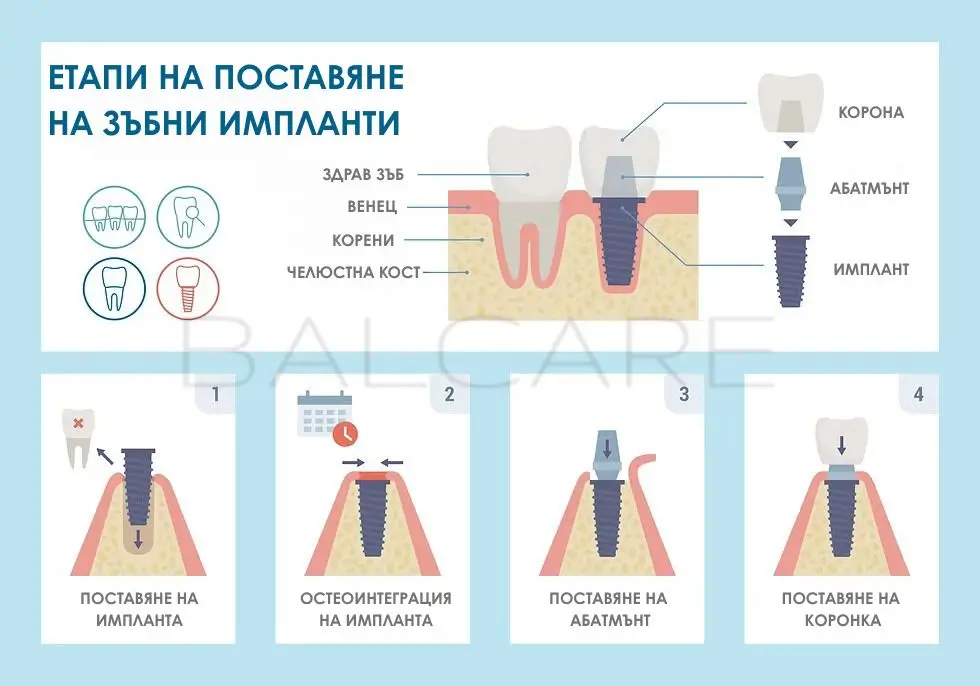
The procedure consists of several clearly defined stages – diagnostics, surgical implant placement, osseointegration, implant exposure, and final prosthetic restoration.
Each stage has specific objectives and requires a high degree of precision, because successful implant treatment depends on accurate planning, appropriate materials, and the skills of the implant dentist.
Modern implant dentistry achieves success rates of more than 97%, particularly when patients follow oral hygiene instructions, avoid excessive loading during the healing period, and attend regular follow-up appointments.
In this article, you will learn how dental implant placement is carried out, what each stage involves, what to expect during recovery, and which symptoms may indicate possible complications.
You will also learn how diagnosis with 3D imaging is performed, what the first and second surgical stages involve, how osseointegration works, and how the final crown is produced.
The article also provides practical information about eating after implant placement, normal postoperative reactions, and the warning signs that require prompt professional consultation.
This is a comprehensive guide for patients who want to be informed and prepared for every stage of implant treatment.
What Does Dental Implant Placement Involve?
Dental implant placement is a surgical procedure used to replace missing teeth and their roots with an artificial titanium or zirconia implant that integrates with the jawbone and provides a stable foundation for the future dental crown.
It is a well-established treatment method that restores natural bite function without requiring preparation of healthy neighbouring teeth, which is one of its major advantages.
The implant is placed directly into the jawbone at the site of the missing tooth.
Before surgery, precise planning with 3D imaging is performed to determine the optimal implant position, dimensions, angle, and depth.
What Are the Stages of Dental Implant Treatment?
Dental implant treatment progresses through a series of carefully controlled phases, each with its own technical requirements, duration, and clinical objective.
These stages are designed to ensure that the implant is correctly positioned, successfully osseointegrated, and able to provide long-term function.
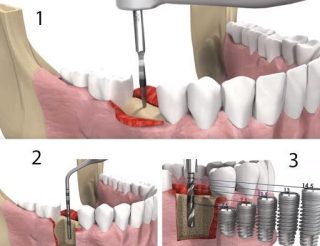
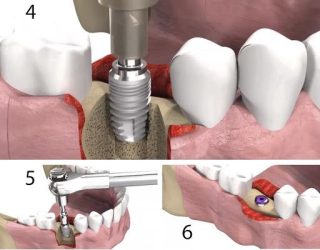
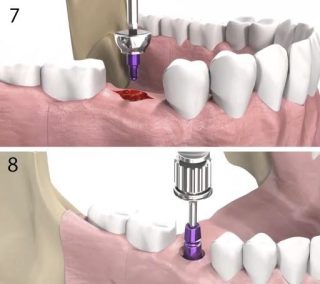
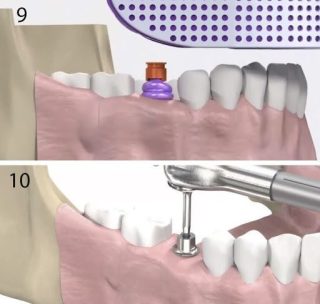
Stages of Dental Implant Placement
| Stage | What It Includes | Main Objective | Duration |
|---|---|---|---|
| Diagnostics | 3D imaging, bone assessment, treatment planning | Determining the precise implant position | 1 appointment |
| First surgical stage | Implant placement and any additional procedures if required | Stable placement of the implant in the bone | 30–90 minutes |
| Osseointegration | Integration of the implant with the surrounding bone | Biological stabilisation | 3–6 months |
| Second surgical stage | Implant exposure and placement of an abutment | Preparation for prosthetic restoration | 10–15 minutes |
| Prosthetic stage | Impression or digital scan and fabrication of the crown | Completion of treatment | 1–2 weeks |
What Happens During the Diagnostic Stage?
The diagnostic stage is one of the most important phases of the entire treatment because it determines the accuracy of implant positioning, size, and depth.
Comprehensive diagnostics are performed using 3D imaging, which provides a three-dimensional view of the jaw.
This allows the clinician to evaluate:
- bone height;
- bone width;
- bone density;
- the position of the maxillary sinuses;
- the location of important nerves;
- the optimal implant position.
The patient’s general health is also assessed, because conditions such as uncontrolled diabetes or active periodontal infection may influence the final treatment outcome.
Inadequate diagnostic planning may increase the risk of incorrect implant positioning and complications, including impaired osseointegration.
What Happens During the First Surgical Stage?
The first surgical stage involves placement of the implant in a sterile surgical environment under local anaesthesia or, when clinically appropriate, another form of anaesthesia or sedation depending on the patient’s health and treatment plan.
When necessary, additional procedures may be performed at the same time, including:
- tooth extraction;
- bone augmentation;
- sinus lift to increase available bone volume.
The surgeon carefully opens the gum, prepares the bone using precise surgical instruments, and positions the implant at the planned depth and angle.
The implant must achieve appropriate initial stability.
This stage requires a high level of professional precision because correct implant positioning directly influences osseointegration and long-term stability.
What Influences the Success of Implant Surgery?
| Factor | Significance | Effect on the Implant |
|---|---|---|
| Bone quality | Density and volume | Determines primary stability |
| Implant position | Angle and depth | Supports correct loading |
| Surgical technique | Precision | Reduces the risk of complications |
| Oral hygiene | Plaque and bacterial control | Helps prevent infection |
What Is Osseointegration?
Osseointegration is the biological process through which the surrounding bone gradually grows into close contact with the implant surface and stabilises it within the jaw.
This process usually takes approximately 3 to 6 months and is essential for long-term implant success.
Studies have shown that implants with specially designed microtextured surfaces may integrate more rapidly because their surface encourages attachment and activity of bone-forming cells.
During the osseointegration period, excessive chewing pressure on the implant should be avoided so that the developing stability is not disrupted.
What Happens During the Second Surgical Stage?
The second surgical stage is usually short and minimally invasive.
The implant is exposed through a small incision, and an abutment or healing component is placed.
The abutment is the element that connects the implant to the future crown.
The gum is shaped around it to create a natural soft-tissue contour.
After approximately two to three weeks, the treatment can proceed to impressions or digital scanning and the prosthetic stage.
What Happens During the Prosthetic Stage?
The prosthetic stage involves taking a conventional impression or digital scan of the teeth and implants.
A dental crown, bridge, or another type of restoration is then fabricated.
Possible materials include:
- porcelain-fused-to-metal;
- zirconia;
- other highly aesthetic ceramic materials.
After the necessary try-ins and adjustments, the final crown is permanently attached to the abutment.
This is the final stage of treatment and restores both function and aesthetics.
Is Dental Implant Placement Painful?
Patients generally experience little or no pain during implant placement because modern anaesthesia and gentle surgical techniques are used.
You may feel pressure or vibration, but you should not feel sharp pain.
After the procedure, mild swelling and discomfort are normal and generally subside within several days.
What Is Normal After Dental Implant Placement?
Normal temporary reactions may include:
- mild swelling;
- discomfort;
- bruising;
- tenderness for up to approximately three days.
The clinician may prescribe pain-relieving medication and recommend cold compresses.
Good oral hygiene is essential, although the surgical area should usually be treated gently and direct brushing may need to be avoided during the first days according to the clinician’s instructions.
What Is Recommended and What Should Be Avoided After Implant Placement?
| Recommended | Avoid |
|---|---|
| Cold and soft foods | Hot drinks |
| Cold compresses | Alcohol and smoking |
| Antiseptic mouthwash when prescribed | Hard and crunchy foods |
| Rest | Chewing directly on the implant area |
Eating After Dental Implant Placement
During the first 48 hours, cold or soft foods are generally recommended, such as:
- yoghurt;
- smoothies;
- cream soups;
- purées;
- soft desserts or jelly.
These foods minimise mechanical loading on the surgical area.
After the first week, softer solid foods can gradually be introduced, although chewing directly over the implant site should still be avoided when instructed by the clinician.
The most important principle is to avoid unnecessary mechanical pressure during early healing because excessive loading may interfere with osseointegration.
Possible Complications After Dental Implant Placement
Complications are uncommon when the procedure is properly planned and postoperative instructions are followed.
Possible problems may include:
- infection;
- prolonged swelling;
- excessive or premature loading;
- failure of osseointegration;
- implant instability.
Signs of Implant Failure
Symptoms that may indicate a problem include:
- persistent or increasing pain;
- implant mobility;
- unpleasant odour;
- purulent discharge;
- gum recession around the implant.
If any of these symptoms occur, prompt professional evaluation is necessary.
Dental implant placement is a safe, modern, and long-lasting treatment option with a very high success rate when performed by a qualified implant dentist and supported by appropriate oral hygiene and regular follow-up care.
Accurate diagnostics, careful surgical technique, high-quality materials, and strict adherence to each treatment stage are key factors in achieving long-term implant stability and restoring a natural, functional smile.
