


Possible Complications After Dental Implant Placement
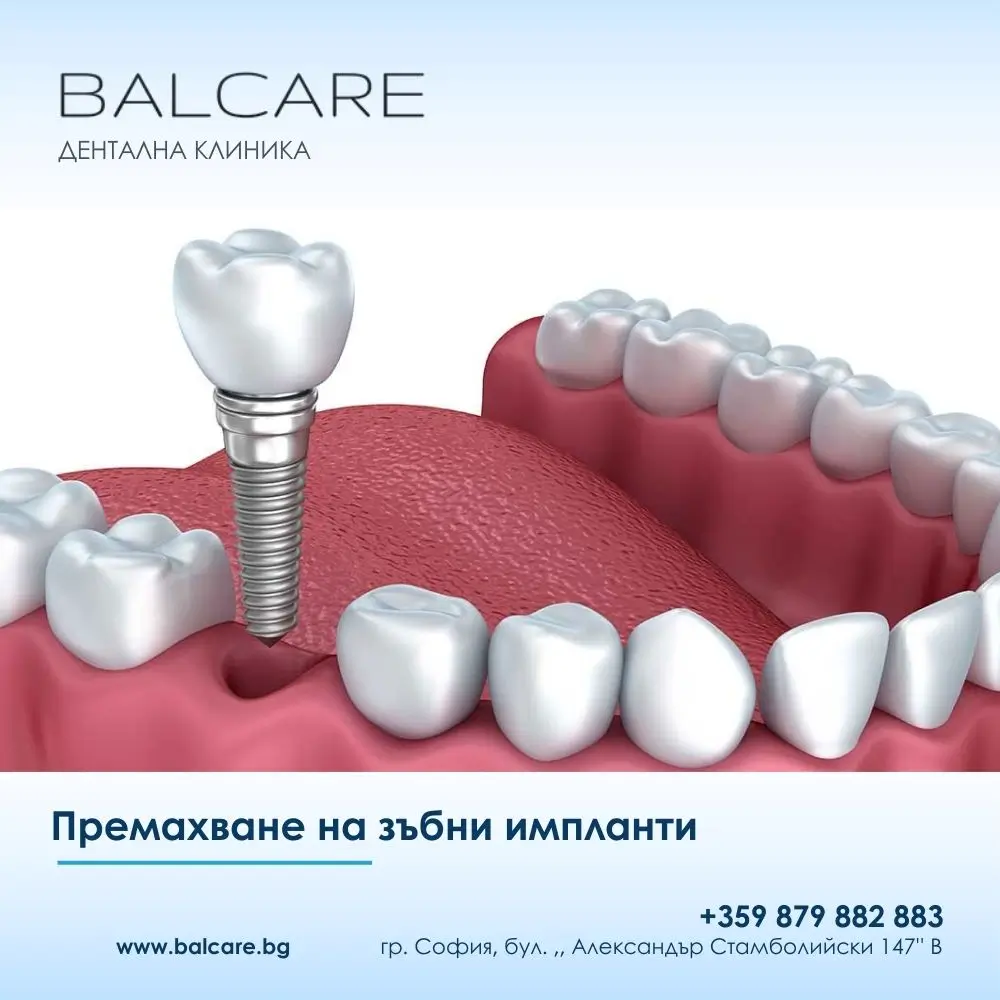
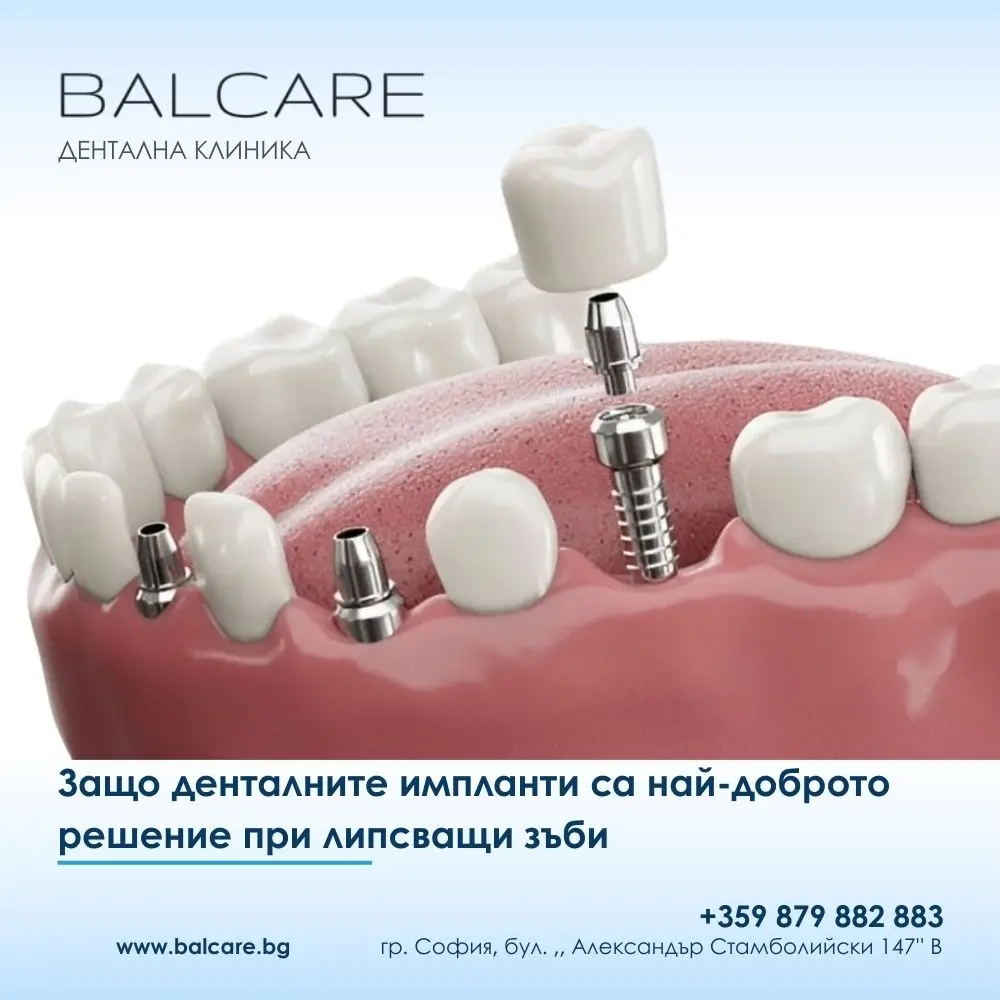
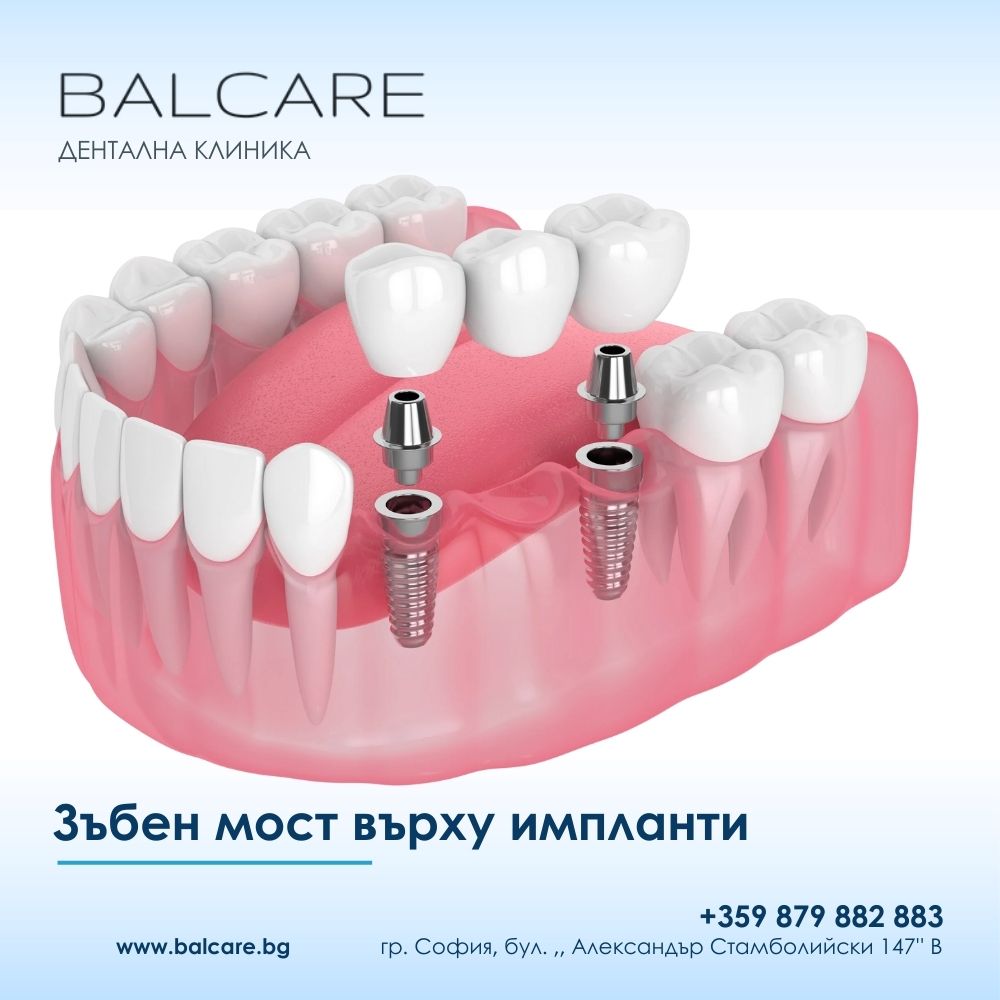
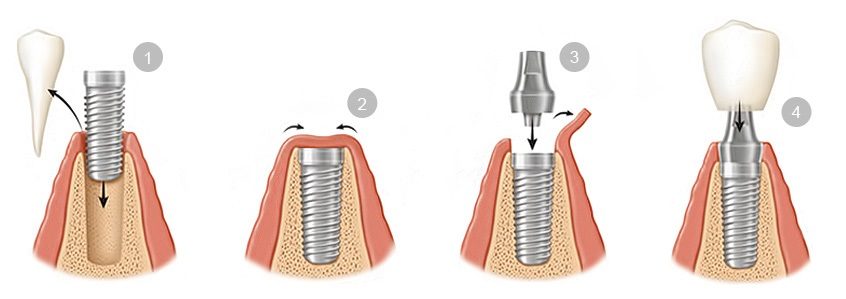
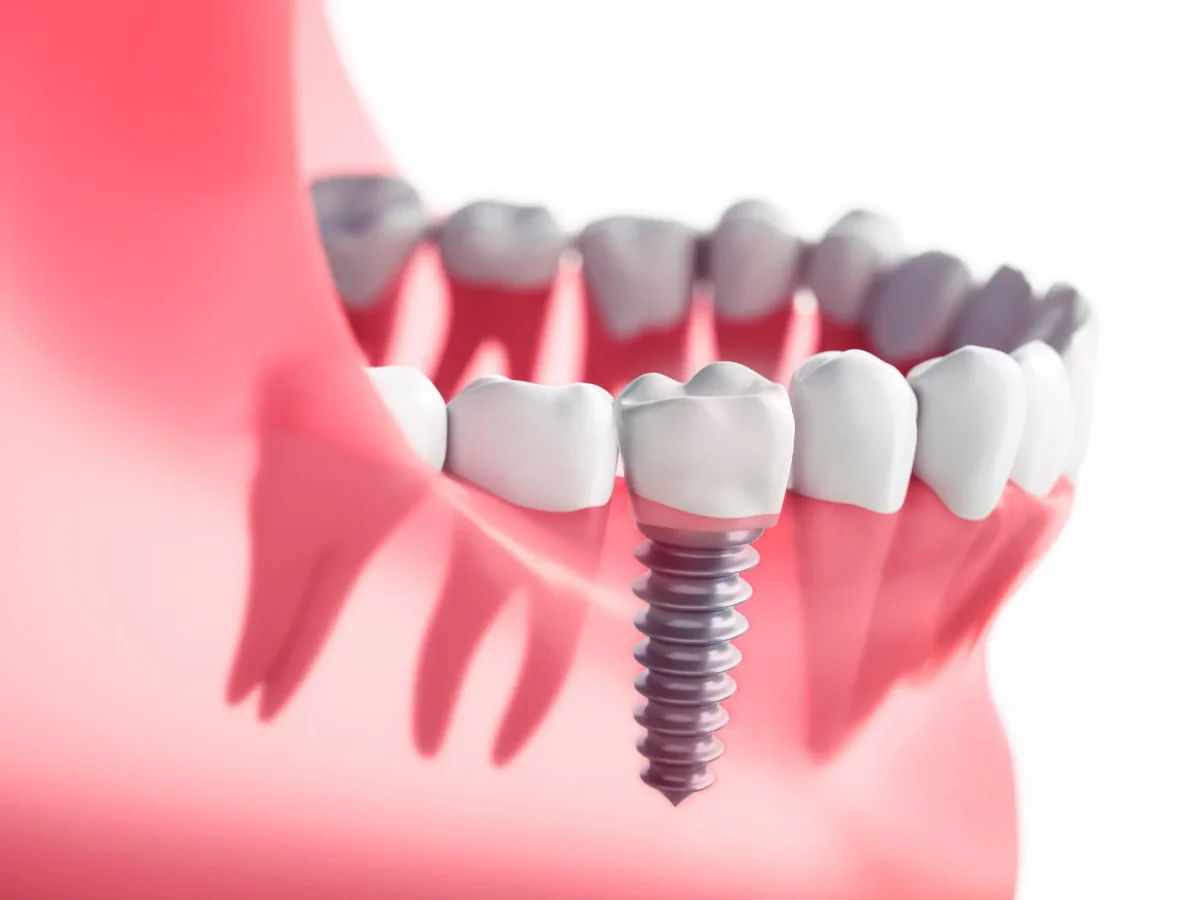
Dental implant placement is one of the most successful and predictable procedures in modern dentistry. Implant treatment has a long-term success rate of over 98%.
However, in rare cases, complications such as implant failure, swelling, inflammatory processes, nerve involvement, damage to adjacent teeth, or injury to anatomical structures such as the maxillary sinus may occur.
These conditions usually result from a combination of factors, including the patient’s general health, the quality of the diagnostic process, the surgical technique, and the patient’s behaviour during the healing period.
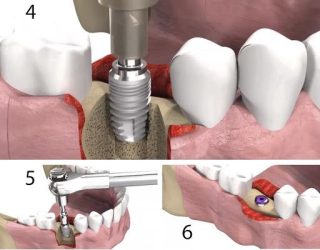
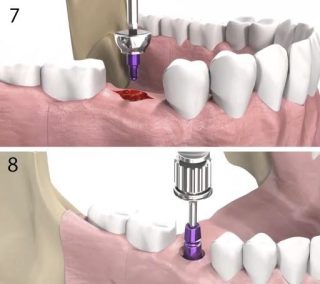
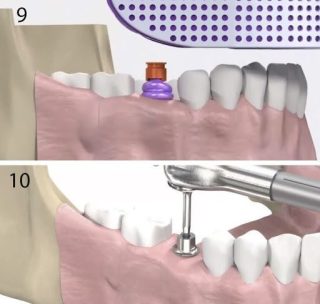
Despite the high success rate, dental implant treatment is a surgical procedure and, like any operation, requires precision, careful planning, and active cooperation from the patient.
When these conditions are not met, complications may occur, some of which can compromise the final result and the overall health of the oral cavity.
Below, we discuss the most common possible complications after dental implant placement, why they occur, and how their risk can be reduced.
Dental Implant Failure – When and Why Can It Occur?
Dental implant failure is one of the less common complications in implant dentistry.
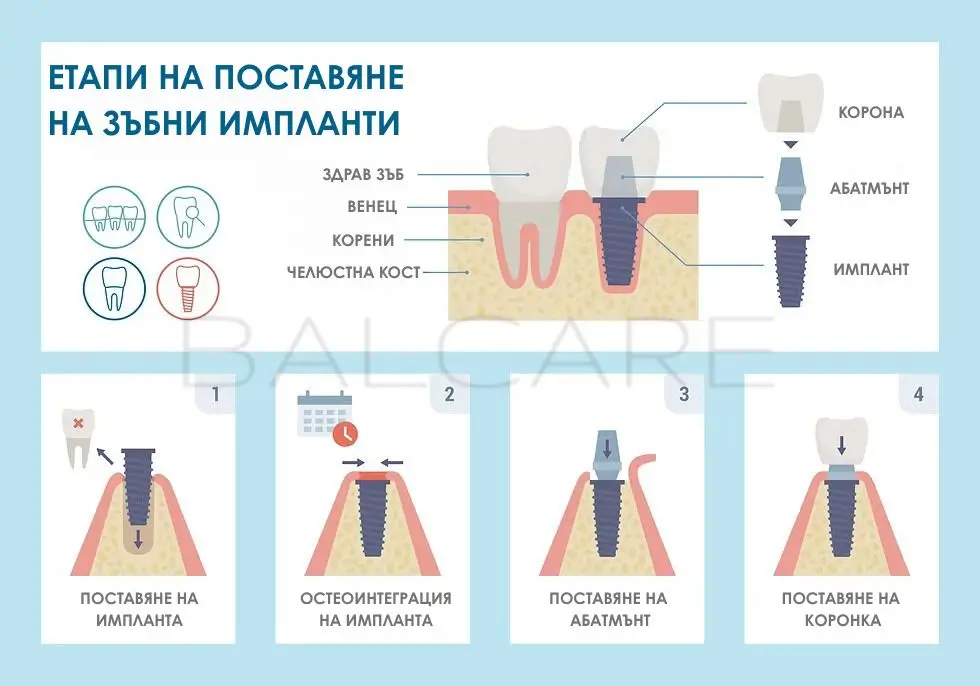
Fewer than 0.5% of patients may experience this problem, and it most commonly occurs during or shortly after the period of osseointegration.
The most common causes of implant failure are associated with a compromised immune system, chronic conditions such as diabetes or oncological disease, and infections in the implant area.
Infections may develop as a result of insufficient sterility during surgery or inadequate oral hygiene afterwards.
When the tissues surrounding the implant become inflamed, the process of osseointegration may be disrupted and the implant may remain unstable.
What Are the Symptoms of Implant Failure?
Early recognition of the symptoms is essential for preserving both the implant and the surrounding bone.
Patients most commonly report:
- swelling that does not decrease after the first week;
- pain;
- redness;
- bleeding gums.
At a more advanced stage, the following may occur:
- unpleasant odour;
- purulent discharge;
- gum recession;
- a feeling that the implant is loose.
These signs require prompt consultation with a dental professional, as timely intervention may help prevent the need to remove the implant.
A high-quality implant system, an experienced surgeon, and strict oral hygiene are among the key factors that help minimise this risk.
Swelling After Dental Implant Placement – Is It Normal?
Swelling after implant surgery is a normal response of the body.
It is usually most pronounced during the first 24 to 48 hours and gradually decreases over the following days.
The swelling results from the body’s natural inflammatory response to surgical trauma.
Blood and tissue fluids are directed towards the surgical area to support healing and protect against infection.
Cold compresses are generally recommended during the first two days, together with strict adherence to the postoperative instructions.
When healing progresses normally, the swelling subsides without additional intervention.
Inflammation Around the Implant and Peri-Implantitis
The implant itself does not become inflamed.
Inflammation affects the surrounding soft tissues and bone. When bone loss is also present, the condition is known as peri-implantitis.
One of the most common contributing factors is inadequate oral hygiene combined with a lack of regular professional cleaning.
Bacterial plaque around the implant can gradually lead to bone loss and compromise implant stability.
Prevention includes:
- precise daily oral hygiene at home;
- regular professional cleaning;
- routine dental follow-up examinations.
Nerve Injury During Dental Implant Placement
Injury to the mandibular nerve is one of the most serious, although rare, complications of implant placement.
It may result in altered or reduced sensation in areas such as the lower lip, chin, or tongue.
In our clinical practice, this risk is minimised through detailed treatment planning and modern diagnostic imaging.
Three-dimensional imaging makes it possible to determine the exact distance from the planned implant site to important anatomical structures and to select the appropriate implant length and position.
The experience and precision of the implant dentist are crucial for reducing the risk of this type of complication.
Injury to the Maxillary Sinus
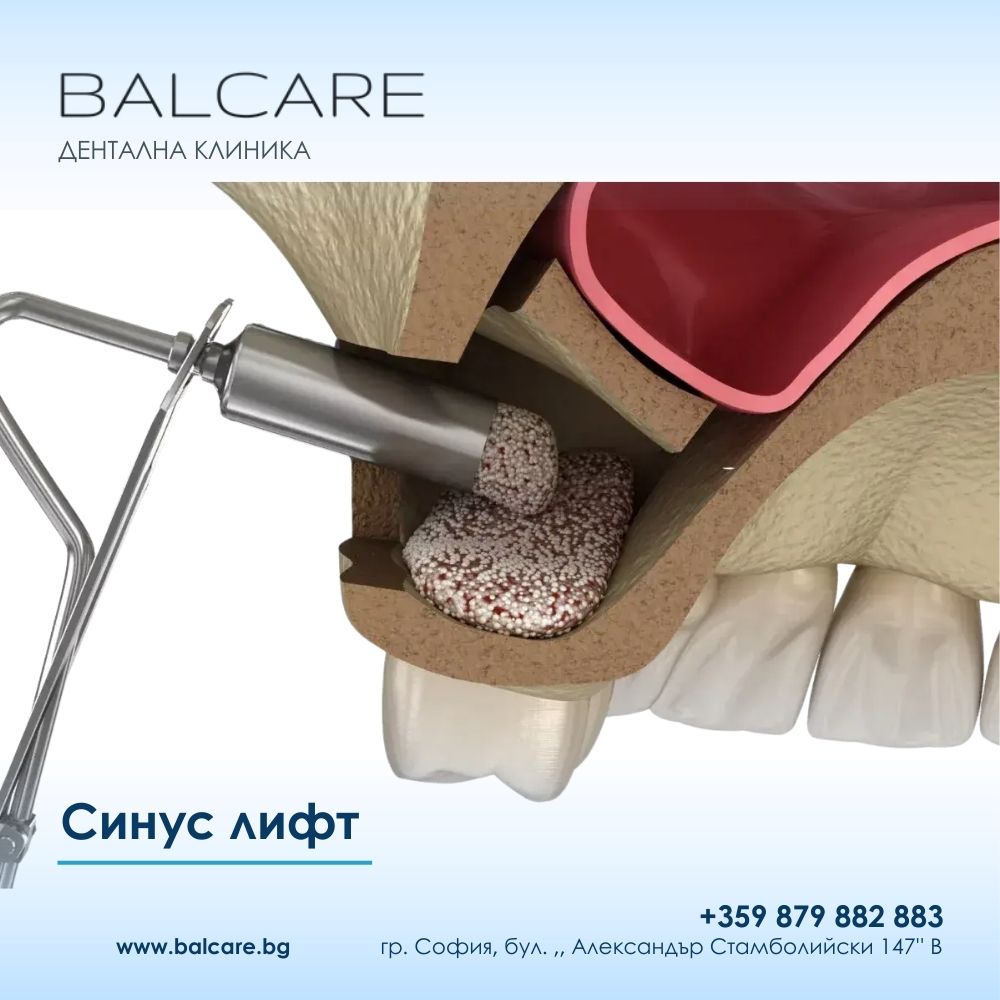
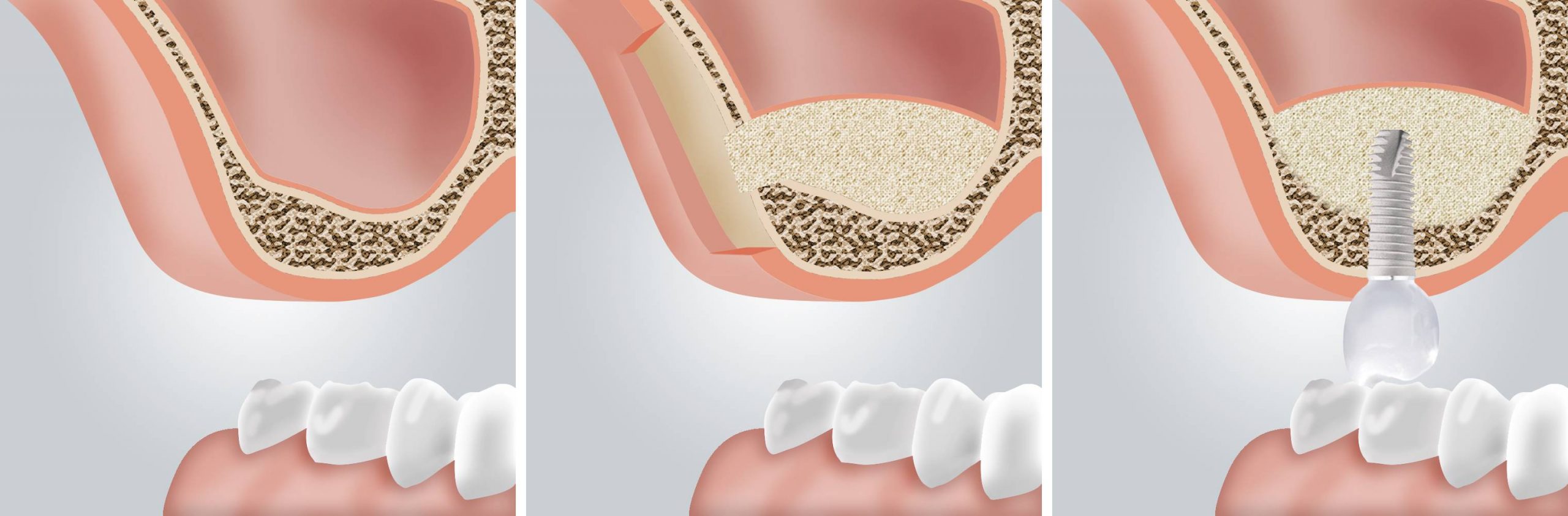
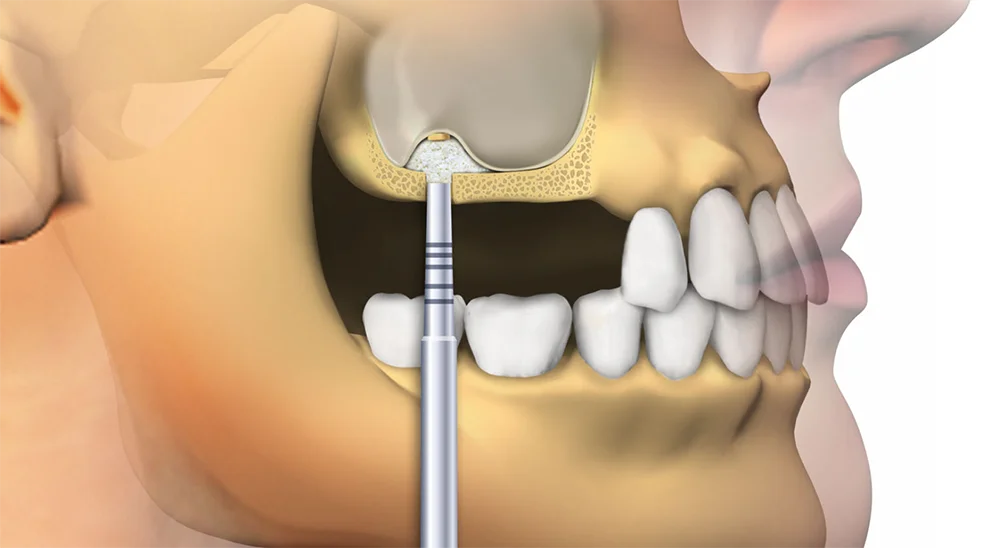
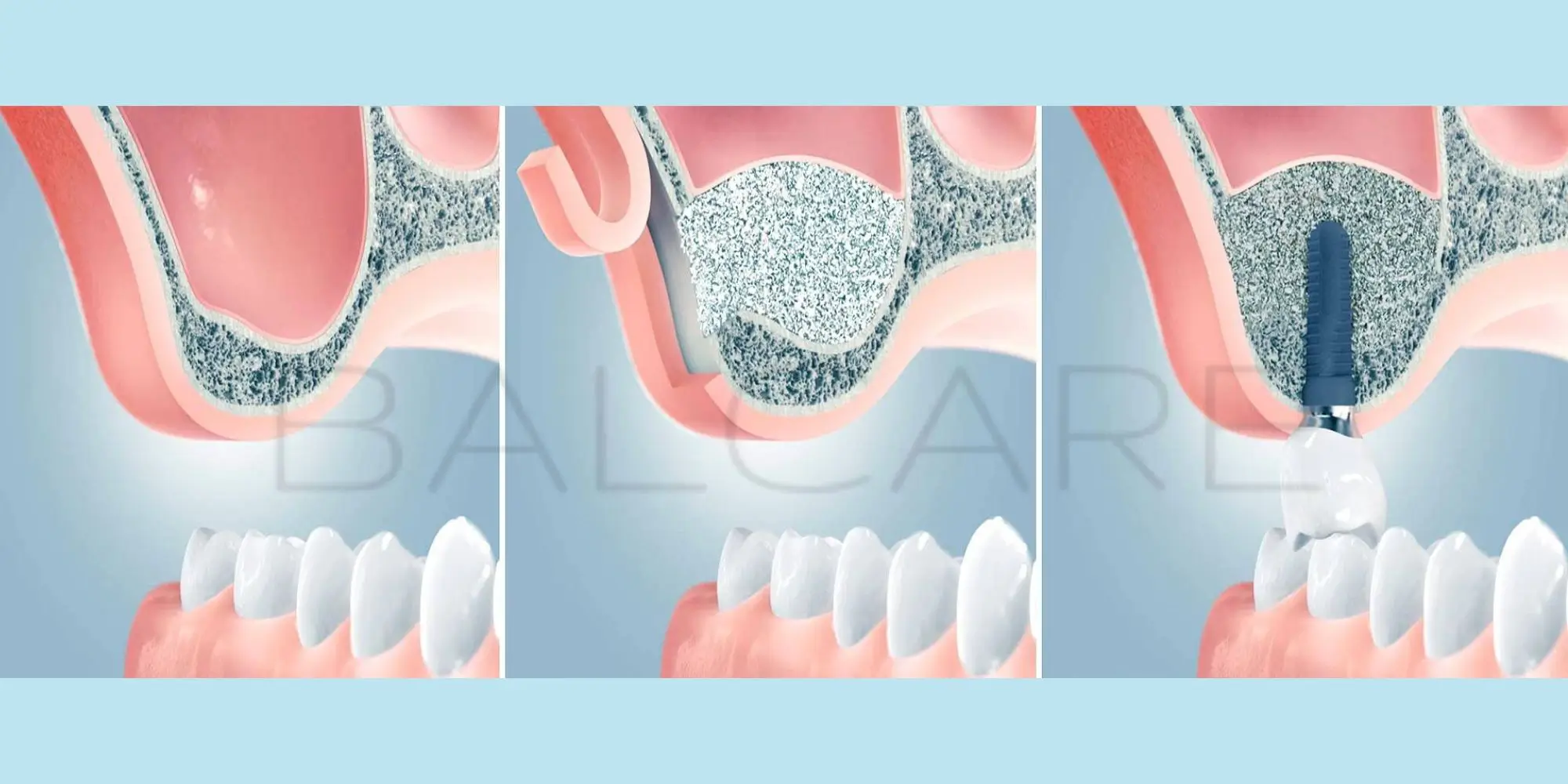
When teeth have been missing for many years, the bone beneath the maxillary sinus may become significantly reduced.
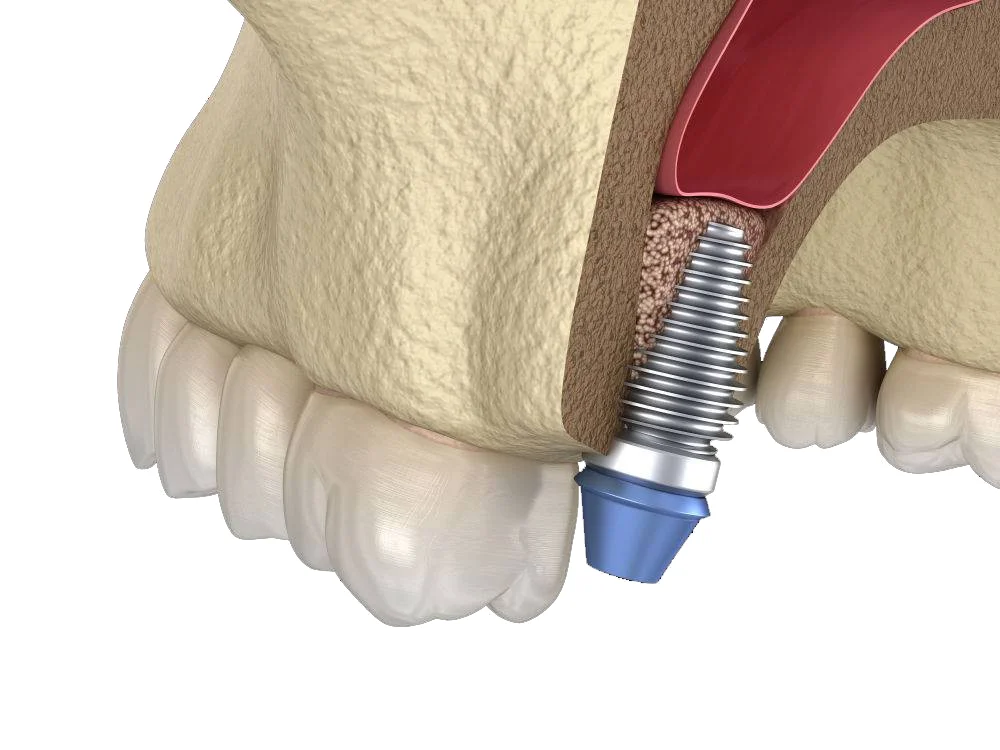
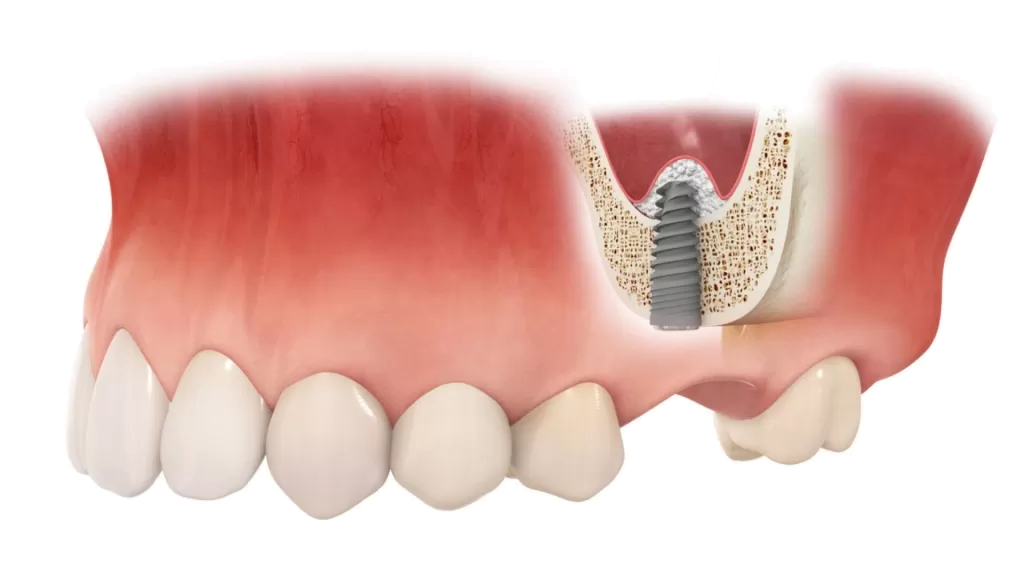
In such cases, there may be a risk of the implant extending towards or into the sinus cavity.
A minor sinus membrane perforation does not always lead to serious long-term problems, but the implant should be surrounded by appropriate bone support and positioned according to the treatment plan.
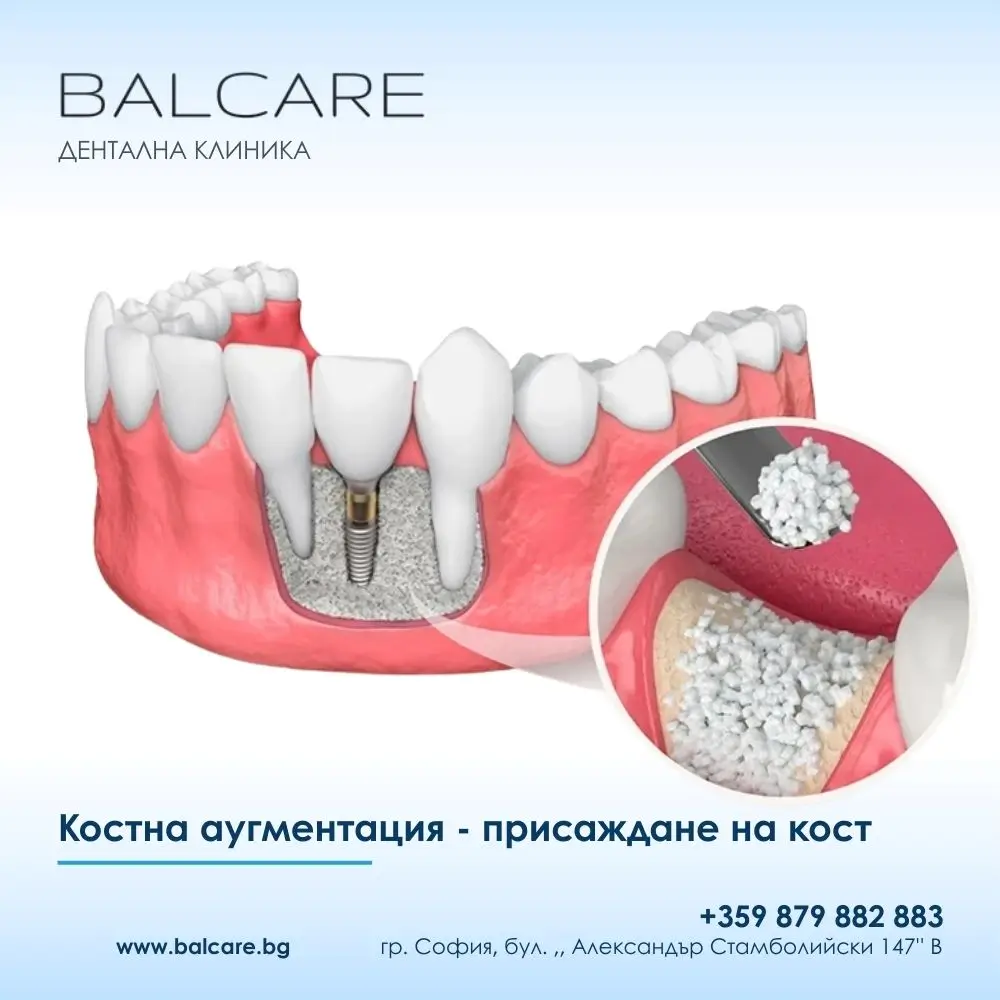
Rather than accepting a compromised solution, the correct approach is careful diagnostics and, when necessary, additional procedures to increase the available bone volume.
Damage to the Roots of Adjacent Teeth
An incorrectly positioned implant may damage the roots of neighbouring natural teeth.
This can occur when treatment planning is insufficient or when three-dimensional imaging is not used appropriately.
Modern implant dentistry relies on:
- 3D imaging;
- precise digital planning;
- individually designed surgical guides when indicated.
These technologies allow a high degree of accuracy and help protect adjacent anatomical structures.
Frequently Asked Questions About Complications After Dental Implant Placement
| What Patients Commonly Ask | What You Should Know |
|---|---|
| Can the body reject a dental implant? | Implant failure is uncommon – below 1% in many situations – and is most often associated with infection, impaired healing, or certain medical conditions. |
| How can I tell if an implant is failing? | Persistent pain, swelling, bleeding, or mobility are not normal findings and require professional assessment. |
| Is pain normal after implant placement? | Mild to moderate discomfort may be normal for several days. Severe or increasing pain requires examination. |
| How long is swelling normal? | Swelling for approximately 2–3 days is common and should gradually decrease. |
| Is inflammation around the implant dangerous? | It can often be treated when detected early and when good oral hygiene is maintained. |
| What is peri-implantitis? | It is an inflammatory condition affecting the tissues and bone surrounding a dental implant. |
| Can an implant damage a nerve? | The risk is low when appropriate diagnostics, planning, and an experienced implant clinician are involved. |
| What happens if the sinus is perforated? | It does not always lead to a serious complication, but the situation requires appropriate assessment and management. |
| Can an implant damage a neighbouring tooth? | The risk is low when 3D diagnostic imaging and careful treatment planning are used. |
| How long does an implant take to heal? | Complete healing and osseointegration generally take approximately 3 to 6 months. |
| How can I reduce the risk of complications? | Choosing an experienced clinician and maintaining excellent oral hygiene are key factors. |
| Does smoking affect dental implants? | Smoking significantly increases the risk of healing problems and implant complications. |
| Can a person with diabetes receive a dental implant? | Yes, implant treatment may be possible when diabetes is well controlled. |
| When does an implant need to be removed? | Removal may be necessary when there is persistent infection or failure to achieve stable osseointegration. |
How to Reduce the Risk of Complications
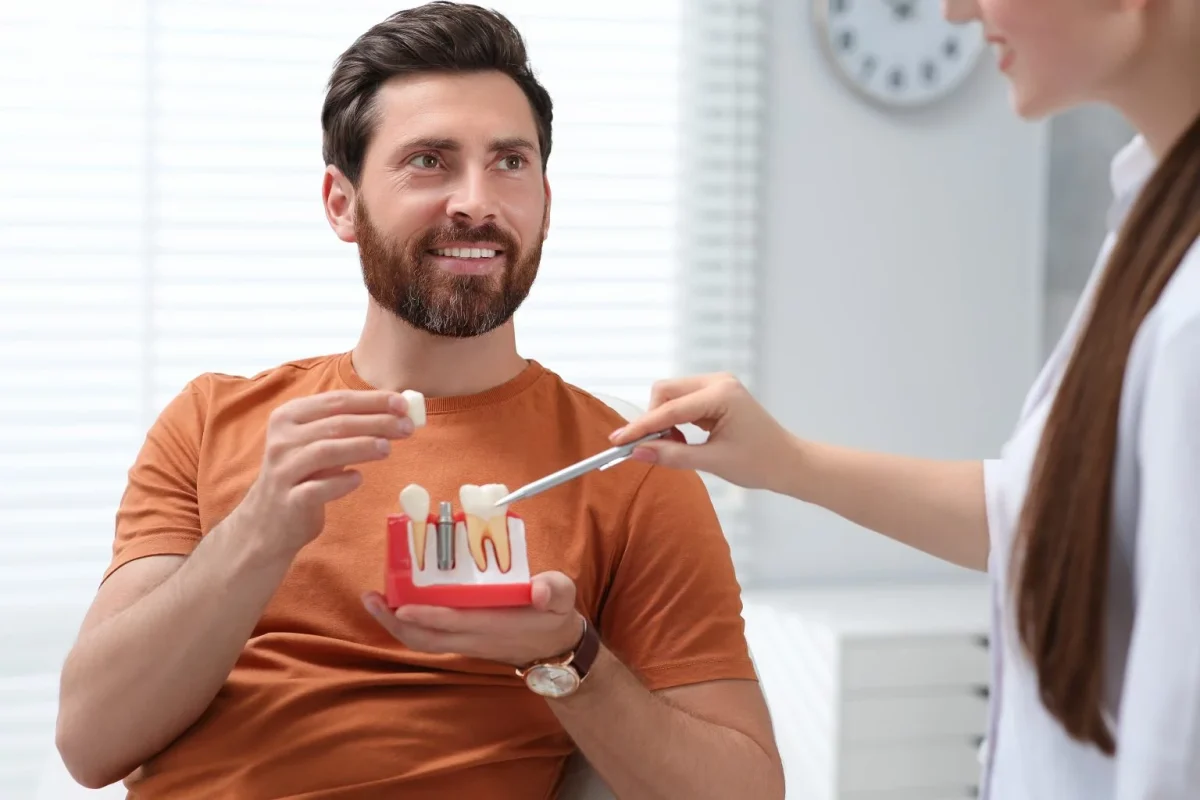
One of the most important steps in reducing the risk of complications is choosing a qualified and experienced implant dentist.
Professional planning and an individual approach to each patient form the foundation of successful treatment.
The patient also plays an essential role.
This includes:
- maintaining excellent oral hygiene;
- following postoperative instructions carefully;
- attending regular follow-up examinations;
- reducing smoking and alcohol consumption, particularly during the healing period.
When the clinician and patient work together as a team, a dental implant can provide a reliable, long-term solution with an excellent functional and aesthetic result.