


How to Prevent Tooth Decay: Effective Methods and Practical Tips
How to Prevent Tooth Decay: Effective Methods and Practical Tips
Tooth decay is one of the most common oral health problems worldwide and affects both children and adults.
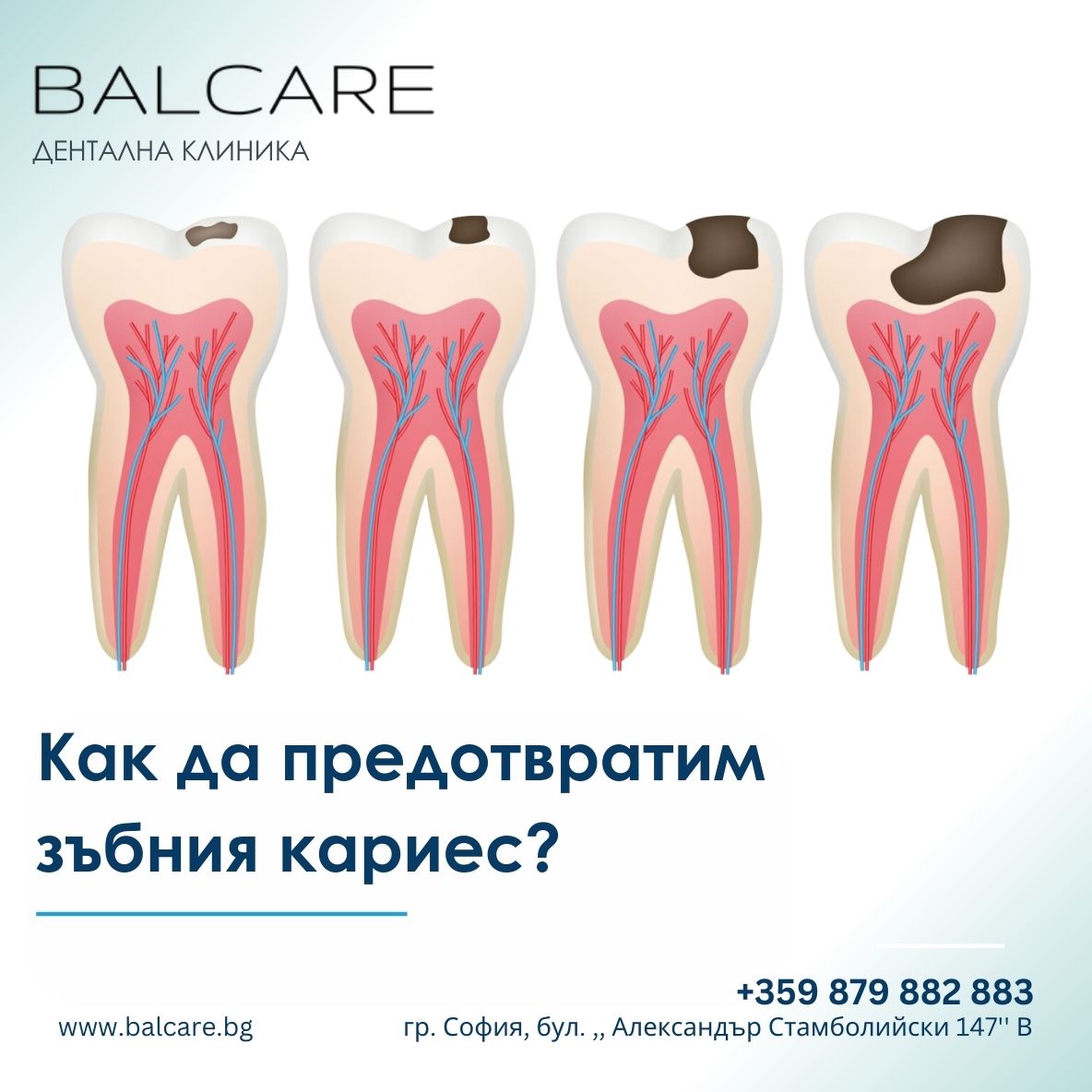
It develops when bacteria in dental plaque use sugars from food and drinks and produce acids. These acids gradually remove minerals from the tooth enamel and, if the process continues, can eventually lead to the formation of a cavity.
The good news is that tooth decay is largely preventable.
In this article, we explain the most effective ways to reduce your risk of cavities and provide practical advice for keeping your teeth healthy.
What Causes Tooth Decay?
Dental caries develops through a combination of several factors.
Poor Oral Hygiene
Inadequate or ineffective toothbrushing allows dental plaque to accumulate on the teeth.
Plaque contains bacteria that produce acids after exposure to sugars and fermentable carbohydrates.
If plaque is not removed regularly, repeated acid attacks can gradually damage the enamel.
Frequent Consumption of Sugary Foods and Drinks
Sugary snacks, sweets, fizzy drinks, and other sugar-containing products increase the frequency of acid attacks on the teeth.
The frequency of sugar consumption is particularly important.
Repeated snacking or sipping sweet drinks throughout the day gives the teeth less time to recover between acid attacks.
Acidic Foods and Drinks
Acidic foods and beverages such as:
- fizzy drinks;
- citrus juices;
- energy drinks;
- frequent consumption of lemon or other highly acidic products;
can contribute to dental erosion, which is different from tooth decay but also causes loss of tooth structure.
Acids can directly soften and wear away the enamel, making the teeth more vulnerable.
Reduced Saliva Flow
Saliva plays an important protective role by:
- neutralising acids;
- washing away food particles;
- supporting remineralisation of enamel;
- helping control the oral environment.
People with dry mouth may therefore have a higher risk of developing cavities.
Reduced saliva production may be associated with certain medications, medical conditions, or dehydration.
Lack of Regular Dental Examinations
Early tooth decay may develop without causing pain or other obvious symptoms.
Regular dental examinations allow cavities and areas of enamel demineralisation to be identified before they become more extensive.
Early treatment is usually simpler and more conservative.
Effective Methods for Preventing Tooth Decay
Brush Twice a Day with Fluoride Toothpaste
Brush your teeth twice daily for approximately two minutes using fluoride toothpaste.
Fluoride helps strengthen enamel and supports the remineralisation of early areas of mineral loss.
Children should also use an age-appropriate amount of fluoride toothpaste under parental supervision.
Young children need help with brushing because they do not yet have the manual dexterity to clean all surfaces effectively.
Clean Between the Teeth
A toothbrush cannot effectively clean every area between neighbouring teeth.
Use:
- dental floss;
- interdental brushes;
- other interdental cleaning aids recommended by your dentist.
Daily interdental cleaning helps remove plaque from areas where cavities can otherwise develop unnoticed.
Use Mouthwash When Appropriate
An antiseptic or fluoride mouthwash may be useful for selected patients, but it should not replace brushing and interdental cleaning.
Your dentist can advise whether a mouthwash would provide additional benefit according to your individual oral-health needs.
Limit Sugar Intake
Try to reduce both the amount and frequency of sugary foods and drinks.
Particularly avoid:
- frequent sweets between meals;
- sticky confectionery that remains on the teeth;
- sweetened drinks consumed slowly over long periods;
- sugary foods or drinks after brushing at bedtime.
Where possible, keep sweet foods to mealtimes rather than eating them repeatedly throughout the day.
Reduce Frequent Exposure to Acidic Drinks
Highly acidic drinks can contribute to enamel erosion.
After consuming an acidic drink:
- rinse your mouth with water;
- avoid holding the drink in your mouth;
- avoid brushing immediately if the enamel has been exposed to significant acidity.
Allowing some time before brushing can reduce unnecessary mechanical wear on temporarily softened enamel.
Attend Regular Preventive Dental Examinations
Routine examinations help identify:
- early caries;
- areas of enamel demineralisation;
- gum inflammation;
- plaque and tartar accumulation;
- fillings that may require monitoring or replacement.
The appropriate interval between examinations depends on individual risk. For many people, a check-up approximately every six months may be suitable.
How Can We Teach Children to Look After Their Teeth?
Healthy dental habits are easiest to establish when they begin early.
Make Brushing Enjoyable
For younger children, brushing can become part of a positive daily routine.
You can:
- play a favourite two-minute song;
- use a brushing timer;
- let the child choose an age-appropriate toothbrush;
- brush together as a family;
- use praise and encouragement.
Use Age-Appropriate Dental Products
Children should use:
- a toothbrush suitable for their age and mouth size;
- fluoride toothpaste in an appropriate amount;
- products recommended by their dentist when additional prevention is needed.
Parents should supervise and assist with brushing until the child can clean their teeth effectively without help.
Make Dental Visits Routine
Do not wait until your child has toothache before visiting the dentist.
Regular preventive appointments help children become familiar with the dental clinic in a calm and positive setting.
This can reduce anxiety and help establish a healthier attitude towards dental care.
Additional Prevention for Children and Adults at Higher Risk of Caries
Some patients are more susceptible to tooth decay than others.
Additional preventive measures may include:
- professional fluoride varnish;
- fissure sealants;
- more frequent preventive examinations;
- dietary counselling;
- personalised oral-hygiene recommendations;
- management of dry mouth.
Your dentist can assess your individual caries risk and recommend an appropriate preventive programme.
Frequently Asked Questions
How Can I Tell If I Have a Cavity?
Early tooth decay may cause no symptoms at all.
As the lesion progresses, possible signs include:
- sensitivity to cold or sweet foods;
- visible white, brown, or dark areas;
- food repeatedly becoming trapped in one area;
- discomfort when chewing;
- toothache;
- a visible hole or defect in the tooth.
Do not wait for pain before arranging an examination. Cavities are generally easier to manage when detected early.
How Often Should I Replace My Toothbrush?
A manual toothbrush or electric toothbrush head should usually be replaced approximately every three months, or sooner if the bristles become worn, bent, or frayed.
A worn toothbrush becomes less effective at removing plaque.
What Should I Do If I Develop Toothache?
Do not postpone a dental examination.
Toothache may be caused by:
- deep caries;
- pulp inflammation;
- a cracked tooth;
- infection;
- gum problems;
- another dental condition.
Until you can see a dentist, appropriate over-the-counter pain relief may help if it is safe for you and used according to the instructions.
Gentle rinsing with warm salt water may also provide temporary comfort in some situations.
These measures do not treat the underlying cause of the pain.
Can Tooth Decay Be Completely Prevented?
No preventive method can guarantee that a person will never develop a cavity.
However, the risk can be significantly reduced through a combination of:
- effective brushing with fluoride toothpaste;
- daily interdental cleaning;
- limiting frequent sugar intake;
- sensible dietary habits;
- adequate saliva flow;
- regular preventive dental care;
- professional fluoride treatment or sealants when indicated.
Small Daily Habits Make a Big Difference
Tooth decay develops gradually, which means prevention also happens through the small choices we make every day.
Brushing properly, cleaning between the teeth, reducing frequent sugar exposure, and attending preventive dental examinations can significantly reduce the likelihood of developing cavities.
At BalCare Dental Clinic, preventive dental care focuses on identifying individual risk factors and helping patients maintain healthy teeth before more extensive treatment becomes necessary.
Prevention is always easier than treating advanced dental disease.
📞 Book a preventive dental check-up at BalCare: +359879882883
