


Tooth Decay in Children: Early Detection, Treatment and Prevention
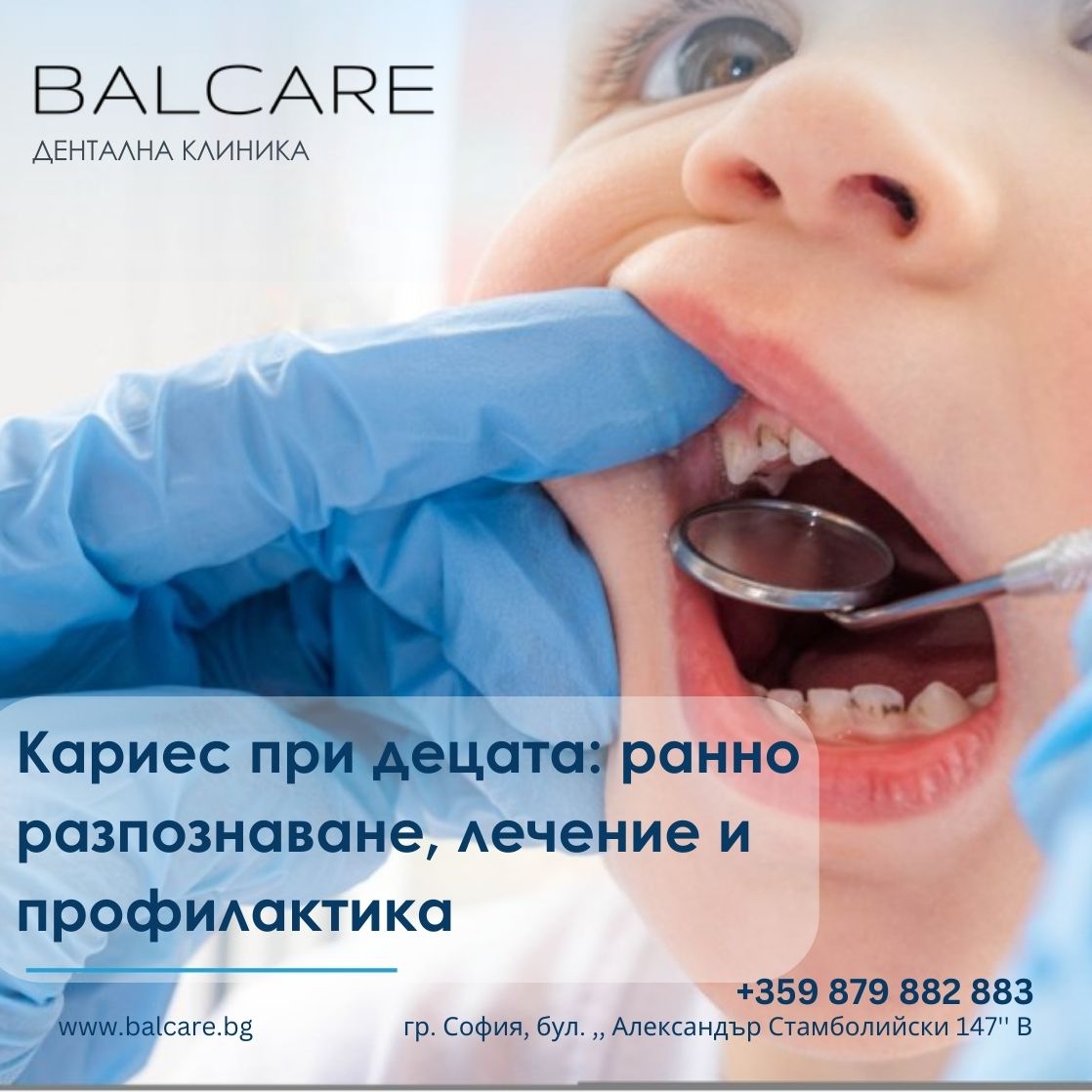
Tooth Decay in Children: Early Detection, Treatment and Prevention
Tooth decay in children is one of the most common reasons for visiting the dentist. Although some parents underestimate the importance of treating baby teeth, the health of the primary dentition has a direct impact on the child’s future dental development.
Why Is Early Detection of Tooth Decay in Children Important?
Dental caries in children develops through the same basic process as in adults. Bacteria within dental plaque metabolise sugars and produce acids that gradually demineralise and damage the tooth enamel.
In children, however, decay may progress more quickly because primary teeth have thinner enamel and dentine.
Early detection is important because it:
- helps prevent the development of deep cavities that may reach the dental pulp;
- reduces the need for more extensive treatment;
- helps prevent pain and infection;
- supports preservation of the baby teeth, which maintain space and help guide the eruption of the permanent teeth.
Signs That Your Child May Have Tooth Decay
In its earliest stages, tooth decay in children may be difficult to notice. This is why regular preventive dental examinations are so important.
Parents should arrange a dental examination if they notice:
- a white, yellow, brown, or dark spot on a tooth;
- changes in the texture or surface of the enamel;
- sensitivity or pain while eating, particularly with sweet or cold foods;
- discomfort during toothbrushing;
- the child avoiding chewing on one side of the mouth;
- a visible cavity or broken area of a tooth.
Children do not always complain of pain in the early stages of caries, so the absence of symptoms does not necessarily mean that the teeth are healthy.
What Is “Baby Bottle Tooth Decay”?
“Baby bottle tooth decay” is an older term commonly used to describe a form of early childhood caries associated with prolonged and frequent exposure of the teeth to sugar-containing liquids, particularly during sleep.
This may occur when a baby or young child regularly falls asleep with a bottle containing:
- milk;
- formula;
- juice;
- sweetened drinks.
During sleep, saliva flow decreases, meaning sugars and carbohydrates can remain in contact with the teeth for longer periods.
Early childhood caries commonly affects the upper front teeth, although other teeth may also become involved.
To reduce the risk:
- avoid putting a child to sleep with a bottle containing juice or sweetened drinks;
- begin cleaning the teeth as soon as the first tooth erupts;
- introduce regular brushing with age-appropriate fluoride toothpaste;
- discuss feeding and oral-hygiene habits with your child’s dentist.
How Is Tooth Decay Treated in Children?
Whether the affected tooth is a baby tooth or a permanent tooth, dental caries should be assessed and treated at an early stage.
Prompt treatment can help prevent complications such as:
- pulpitis;
- dental abscess;
- infection of the surrounding tissues;
- premature loss of a baby tooth.
The appropriate treatment depends on how far the decay has progressed.
1. Fluoride and Remineralisation Therapy
When caries is detected at a very early stage and no cavity has formed, the dentist may recommend professional fluoride treatment and improved home care.
The aim is to support remineralisation and prevent further progression.
2. Dental Filling
When a cavity has formed, the damaged tissue is carefully removed and the tooth is restored with an appropriate filling material.
The choice of material depends on:
- the tooth involved;
- the size and depth of the cavity;
- the child’s age;
- the expected lifespan of the baby tooth;
- the child’s ability to cooperate during treatment.
3. Pulp Treatment
If decay reaches the dental pulp, treatment such as a pulpotomy or pulpectomy may be required to preserve the tooth when clinically appropriate.
4. Tooth Extraction
Extraction is generally considered when the tooth is too severely damaged or infected to be predictably restored.
Whenever possible, the aim in paediatric dentistry is to preserve the baby tooth until its natural time of replacement.
Why Should Treatment Not Be a Child’s First Dental Experience?
Ideally, a child’s first visit to the dentist should take place before pain or urgent treatment is necessary.
If a child’s first dental experience is associated with severe toothache, infection, or an emergency procedure, they may be more likely to develop anxiety about future visits.
Regular preventive appointments allow the child to:
- become familiar with the dental environment;
- meet the dental team in a calm situation;
- learn about brushing and healthy habits;
- develop confidence before treatment is ever required.
How Can You Prepare Your Child for a Dental Visit?
Parents can make a significant difference to how a child experiences dental care.
Helpful approaches include:
- describe the dentist as someone who helps keep teeth healthy and strong;
- use calm and positive language;
- avoid describing your own negative dental experiences;
- never use the dentist as a threat or punishment;
- use age-appropriate books or cartoons about visiting the dentist;
- allow the dental team to explain procedures in child-friendly language.
A routine preventive appointment is often the best introduction to dental care.
How Can Tooth Decay in Children Be Prevented?
Prevention is the most effective approach to childhood dental caries.
Healthy habits should begin as soon as the first tooth appears.
Essential Preventive Measures
- Brush twice a day using age-appropriate fluoride toothpaste.
- Parents should help or supervise brushing in young children.
- Clean between the teeth when neighbouring teeth are in contact.
- Limit sugary foods and drinks, particularly between meals.
- Avoid frequent snacking on sticky sweets.
- Encourage water as the main drink between meals.
- Attend regular preventive dental examinations according to the child’s individual caries risk.
Fissure Sealants – Protection for the Back Teeth
One of the most effective preventive measures for children and teenagers is the use of fissure sealants.
A sealant is a thin protective material applied to the grooves and fissures of the chewing surfaces of susceptible teeth.
Sealants:
- cover deep grooves that can be difficult to clean with a toothbrush;
- reduce the accumulation of plaque and food debris;
- create a smoother and easier-to-clean surface;
- can be particularly useful soon after permanent molars erupt.
The procedure is quick, minimally invasive, and does not normally require drilling or local anaesthesia.
Permanent first molars usually erupt at around 6 years of age, while second permanent molars commonly erupt around 11–13 years, making these periods particularly important for preventive assessment.
How Does Sugar Affect Children’s Teeth?
Sugar itself does not directly “eat away” the enamel.
Instead, bacteria within dental plaque use fermentable carbohydrates and produce acids.
Repeated acid attacks cause minerals to be lost from the enamel and may eventually result in a cavity.
The frequency of sugar exposure is therefore particularly important.
To reduce the risk of caries:
- limit sugary snacks between meals;
- avoid allowing children to sip sweetened drinks throughout the day;
- avoid sticky sweets that remain on the teeth for long periods;
- do not give sugary foods or drinks after the child has brushed their teeth before bedtime;
- encourage regular brushing with fluoride toothpaste.
Does My Child Need Additional Fluoride?
For most children, appropriate use of fluoride toothpaste is an important part of caries prevention.
Additional professional fluoride treatment may be recommended for children who have an increased risk of developing cavities.
Depending on the child’s age and individual risk, a dentist may recommend:
- fluoride varnish;
- professional fluoride gels;
- other fluoride products when appropriate.
Fluoride supplements such as tablets should only be used when specifically recommended by a healthcare professional after considering the child’s total fluoride exposure.
How Often Should Children Visit the Dentist?
The frequency of preventive dental visits depends on the individual child.
For many children, an examination approximately every 6 months may be appropriate, while children with a higher risk of dental caries may require more frequent monitoring.
The dentist will determine the most suitable schedule according to:
- previous cavities;
- oral hygiene;
- diet;
- fluoride exposure;
- tooth development;
- individual caries risk.
Why Should Cavities in Baby Teeth Never Be Ignored?
The idea that baby teeth do not need treatment because they will eventually fall out is incorrect.
Healthy primary teeth are important for:
- comfortable chewing;
- normal speech;
- maintaining space for permanent teeth;
- guiding permanent tooth eruption;
- normal development of the jaws and bite;
- the child’s everyday comfort and confidence.
Untreated decay may lead to pain, infection, pulpitis, dental abscess, and premature tooth loss.
Premature loss of a baby tooth may also allow neighbouring teeth to move into the empty space, potentially reducing the space available for the permanent successor.
Healthy Habits Begin Early
Tooth decay in children should never be ignored simply because the affected teeth are temporary.
Early detection usually makes treatment simpler and helps prevent pain, infection, and more complex dental procedures later.
The most effective approach combines:
- good oral hygiene from an early age;
- fluoride toothpaste;
- sensible dietary habits;
- regular preventive dental visits;
- early treatment of developing cavities;
- a positive relationship between the child and the dental team.
At BalCare Dental Clinic, our approach to paediatric dentistry focuses on prevention, early diagnosis, gentle treatment, and helping children feel safe and comfortable during their dental visits.
Healthy habits today create the foundation for a healthy smile for years to come.
