


What Is the Temporomandibular Joint
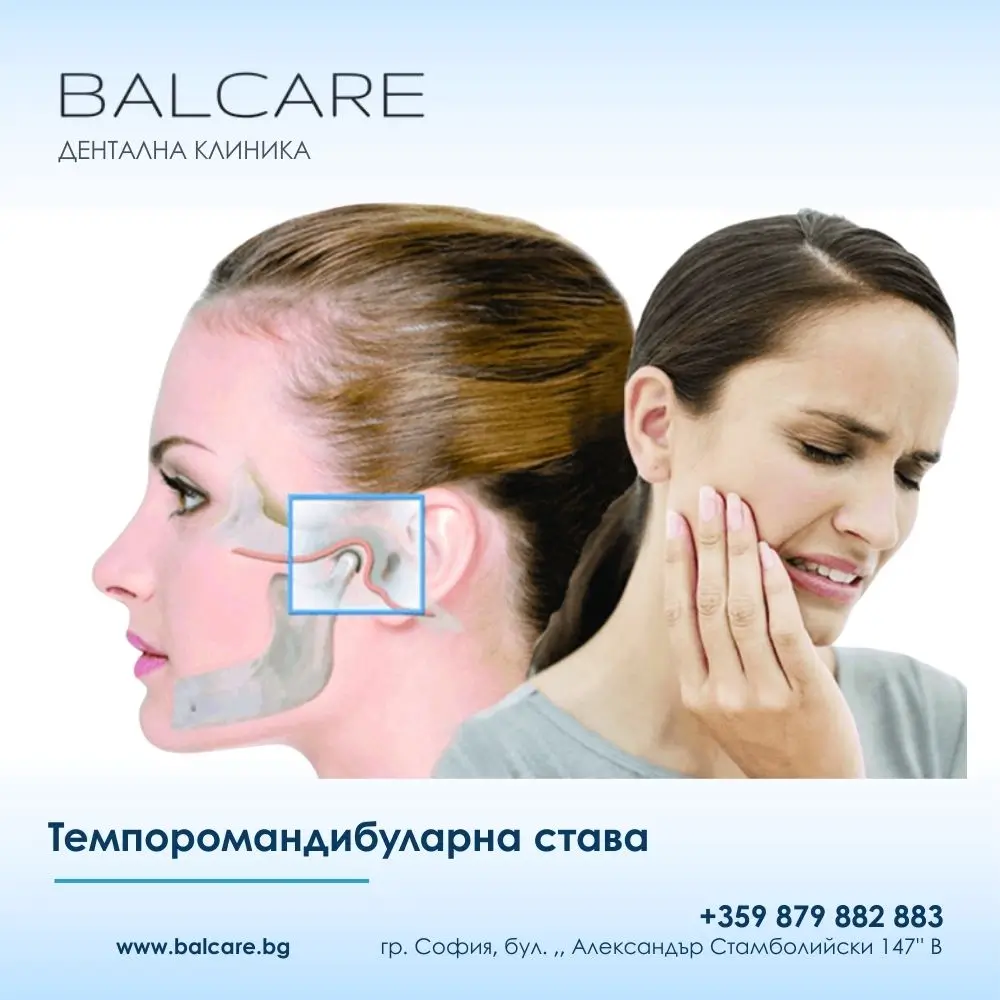
What Is the Temporomandibular Joint?
The temporomandibular joint (TMJ) is a paired joint that connects the lower jaw to the skull. It is located just in front of the ears on both sides of the head and is one of the most complex joints in the human body.
Every time we speak, chew, yawn, or swallow, we use the temporomandibular joint.
The TMJ functions partly like a hinge, allowing the jaw to move up and down, forward and backward, and from side to side. This flexibility enables us to speak, chew, and express emotions through facial movements.
Anatomy of the Temporomandibular Joint
The temporomandibular joint consists of several key components:
- Joint capsule – surrounds the joint and helps maintain its stability;
- Articular disc – a cartilaginous structure that acts as a cushion between the bony surfaces;
- Muscles – provide and control jaw movement;
- Ligaments – support the joint and help limit excessive movement.
When all of these components work together harmoniously, the joint functions smoothly and without pain.
The Most Common Symptoms and Complaints
Problems involving the temporomandibular joint, known as temporomandibular disorders (TMD), can cause a wide range of symptoms.
Pain and Discomfort
- dull or sharp jaw pain;
- pain around the ear, which may sometimes be mistaken for an ear infection;
- pain in the temples and cheeks;
- headaches, particularly in the temple region;
- pain in the neck and shoulders.
Joint Sounds and Movement Problems
- clicking or popping when opening or closing the mouth;
- grating or grinding sounds within the joint;
- a feeling that the jaw “catches” or “locks”;
- restricted mouth opening;
- deviation of the jaw during opening.
Other Symptoms
- difficulty chewing or discomfort while eating;
- dizziness or vertigo;
- ringing in the ears (tinnitus);
- a sensation of blocked or full ears;
- changes in the way the upper and lower teeth come together (occlusion).
What Causes Temporomandibular Disorders?
Temporomandibular disorders may have multiple causes, and several factors are often present at the same time.
Physical Factors
- Bruxism – grinding or clenching the teeth, particularly during sleep;
- Trauma – injury or impact affecting the jaw or head;
- Arthritis – inflammatory disease involving the joint;
- abnormal occlusion or tooth contacts;
- degenerative or structural changes involving the articular disc;
- poor posture, particularly involving the head and neck.
Habits and Lifestyle Factors
- chewing gum for prolonged periods;
- biting hard objects such as pencils or nails;
- chewing predominantly on one side;
- resting the jaw on the hand;
- poor workplace ergonomics.
Emotional Factors
- Stress – one of the important contributing factors;
- anxiety;
- depression;
- tension that contributes to jaw clenching.
How Are Temporomandibular Disorders Diagnosed?
Diagnosis of temporomandibular disorders generally involves several steps.
Clinical Examination
The dental professional will:
- take a detailed history of the patient’s symptoms;
- examine jaw movement;
- palpate the muscles and joint for tender or painful areas;
- assess how the teeth come together;
- check for joint sounds.
Additional Diagnostic Tests
When necessary, further imaging may be recommended:
- X-ray – for assessment of bony structures;
- Magnetic resonance imaging (MRI) – for visualisation of soft tissues and the articular disc;
- Computed tomography (CT) – for detailed evaluation of the bone.
Treatment Options
Treatment for temporomandibular disorders is individualised and depends on the cause and severity of the condition.
Conservative Treatment – First-Line Approach
Many cases improve with non-invasive methods.
Self-Care and Habit Modification
- avoiding very hard foods;
- taking smaller bites;
- avoiding extreme jaw movements, including excessive yawning;
- applying warm or cold compresses;
- relaxation and stress-management techniques.
Physiotherapy
- jaw strengthening exercises;
- stretching exercises;
- muscle massage;
- LED red light therapy.
Medication
When clinically appropriate, treatment may include:
- anti-inflammatory medication such as ibuprofen or naproxen;
- muscle relaxants;
- pain-relieving medication when needed;
- in selected cases, antidepressant medication for chronic pain management.
Dental Treatment
Occlusal Splint
A custom-made occlusal splint may be used to:
- protect the teeth from grinding and clenching;
- reduce excessive loading on the joint;
- support a more stable jaw position;
- provide an individually fabricated appliance made by a dental laboratory.
Orthodontic Treatment
Orthodontic treatment may be considered when correction of the bite is necessary.
It can help improve tooth alignment and occlusal relationships when clinically indicated.
Prosthodontic Treatment
This may include:
- replacement of missing teeth;
- restoration of severely worn teeth.
Prevention and Care of the Temporomandibular Joint
Everyday Habits
- Maintain good posture – keep your head in a balanced position, particularly when working at a computer;
- Avoid unnecessary teeth clenching – the jaw should remain relaxed when you are not eating or speaking;
- Chew on both sides – distribute the functional load as evenly as possible;
- Limit chewing gum – avoid prolonged gum chewing;
- Be careful when yawning – support the jaw if you need to open the mouth very widely.
Stress Management
- practise relaxation techniques such as meditation and deep breathing;
- get sufficient sleep;
- maintain regular physical activity;
- consider yoga or tai chi;
- seek psychological support when appropriate.
Dietary Recommendations
- avoid very hard foods such as nuts, ice, and hard sweets during painful periods;
- cut food into smaller pieces;
- choose softer foods during a flare-up;
- avoid taking very large bites.
Frequently Asked Questions
Is Clicking in the Jaw Dangerous?
Clicking on its own is not necessarily dangerous.
Many people experience joint clicking without pain or other symptoms.
However, if the clicking is accompanied by pain, restricted movement, locking, or other symptoms, consultation with a specialist is recommended.
How Long Does Treatment Take?
The duration of treatment varies considerably depending on the severity of the problem and the individual response to therapy.
Mild cases may improve within several weeks, while chronic conditions may require several months or longer-term management.
Will I Need to Wear a Splint for the Rest of My Life?
Not necessarily.
Many patients use an occlusal splint temporarily while their symptoms improve and while new habits are established.
However, some patients may require longer-term use, particularly when chronic bruxism is present.
Can Temporomandibular Disorders Be Completely Treated?
Many patients achieve significant or complete relief from their symptoms with appropriate treatment.
For others, TMD may be a chronic condition that requires long-term management.
Early diagnosis and an appropriate individual treatment plan are important.
Will I Need Surgery?
Most temporomandibular disorders can be successfully managed without surgery.
Surgical treatment is generally considered only in selected severe cases when appropriate conservative treatment has not produced sufficient improvement.
Does Stress Really Affect the Temporomandibular Joint?
Yes.
Stress can be an important contributing factor.
When people are under stress, they may unconsciously clench or grind their teeth, increasing the load on the temporomandibular joint and the surrounding muscles.
For this reason, stress management can be an important part of treatment.
Can I Chew Gum?
If you have problems involving the temporomandibular joint, it is generally advisable to limit or temporarily avoid chewing gum because it increases repetitive loading of the joint.
Once the symptoms improve, moderate gum chewing may be resumed if your dental professional considers it appropriate.
When Should I Seek Professional Help?
You should consider consulting a specialist if:
- you have persistent or frequently recurring jaw pain;
- you cannot fully open or close your mouth;
- significant clicking or popping is accompanied by pain;
- your symptoms interfere with eating, speaking, sleeping, or your overall quality of life.
Is There a Relationship Between Dental Procedures and Temporomandibular Disorders?
Long or complex dental procedures may temporarily aggravate TMD symptoms because the mouth remains open for an extended period.
If you already have problems involving the temporomandibular joint, inform your dentist before treatment so that appropriate precautions can be taken.
The temporomandibular joint plays a vital role in everyday life, even though most of us rarely think about it.
Problems involving the TMJ can significantly affect quality of life, but with timely diagnosis and appropriate treatment, many patients experience substantial improvement.
If you have symptoms associated with the temporomandibular joint, do not wait for them to become more severe.
Early assessment and treatment are often the most effective way to prevent persistent or chronic problems.
For a consultation and examination, contact Dr Trajko Balabanov, who provides an individual approach to the diagnosis and treatment of conditions related to the temporomandibular joint.
Do not let jaw pain limit your daily life. Book a consultation today.
