


Sinus Lift
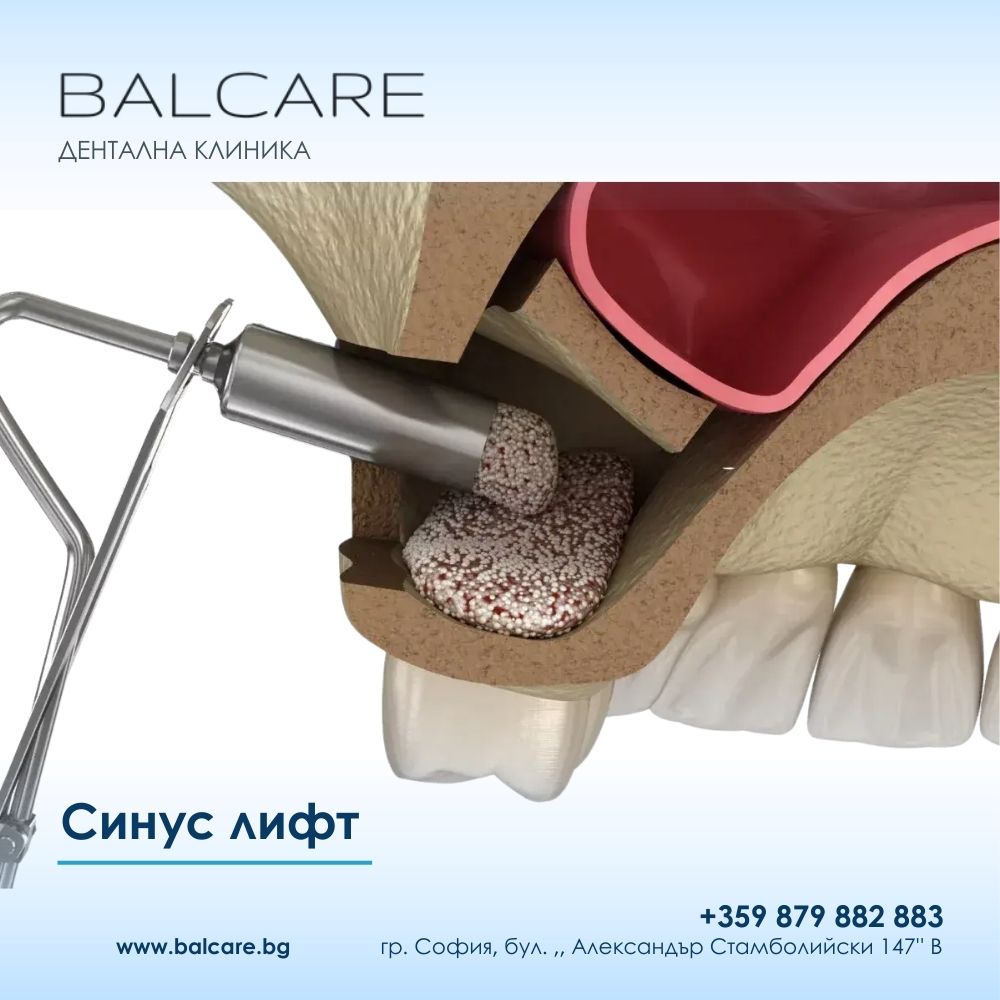
A sinus lift is a gentle but important surgical procedure that makes it possible to place dental implants in the posterior areas of the upper jaw even when the bone has already significantly resorbed or the maxillary sinus is positioned too close to the jawbone.
By elevating the floor of the maxillary sinus and placing a bone graft, a stable bone foundation is created for reliable implant placement.
At BalCare Dental Clinic, sinus lift procedures are planned using 3D diagnostics, performed under local anaesthesia, and followed by careful postoperative monitoring.
The procedure is part of modern implant dentistry and is used when a patient wants fixed teeth but does not have sufficient bone in the posterior part of the upper jaw.
What Is a Sinus Lift?
A sinus lift is a surgical procedure that elevates the floor of the maxillary sinus and increases the amount of bone in the posterior region of the upper jaw.
The aim is to create sufficient bone volume for stable dental implant placement.
The procedure belongs to the group of bone augmentation procedures – interventions in which the existing bone volume is increased by adding bone grafting material.
Technically, a sinus lift involves carefully separating and elevating the sinus membrane and filling the newly created space with bone or a bone substitute material.
This procedure is performed only in the upper jaw, in the premolar and molar regions.
The reason is that the maxillary sinuses are located very close to the roots of the upper posterior teeth and the surrounding jawbone.
When Is a Sinus Lift Necessary?
A sinus lift is performed when there is insufficient bone in the posterior part of the upper jaw and this prevents stable implant placement.
It is directly related to implant treatment and is often the first stage before the dental implants themselves are placed.
The most common situations in which a sinus lift may be required include:
- one or more upper molars have been missing for a long period of time;
- significant bone resorption following tooth extraction;
- periodontitis that has resulted in bone loss;
- bone conditions such as osteoporosis;
- previous surgical procedures, cysts, or trauma in the area.
When diagnostic imaging shows that there is too little bone between the oral cavity and the sinus, placing an implant without a sinus lift may be unstable or impossible.
In such cases, a sinus lift can restore the necessary bone volume and make implant treatment possible.
Why Is Bone Lost in the Upper Jaw?
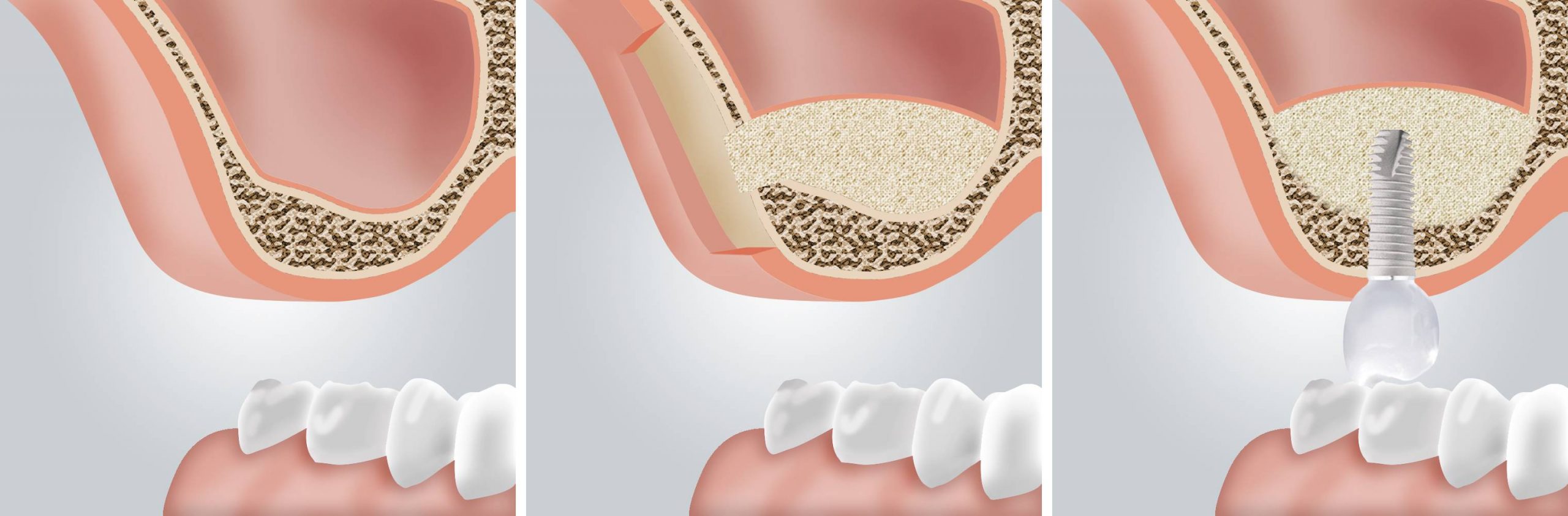
After a tooth is extracted, the bone surrounding its root gradually begins to resorb.
The body no longer receives the same functional stimulation from the tooth root, and the volume of the bone gradually decreases.
In the upper jaw, another process also plays an important role – sinus pneumatisation.
Over time, the maxillary sinus cavity may expand downwards and occupy part of the area previously filled by bone, particularly when teeth have been missing for a long time.
The combination of:
- long-term absence of molars;
- natural expansion of the sinus;
- possible conditions such as periodontitis or osteoporosis;
may lead to significant thinning of the bone.
As a result, only a minimal layer of bone may remain between the oral cavity and the sinus, leaving insufficient space for stable implant placement.
Types of Sinus Lift
The type of sinus lift is determined by how the sinus is accessed and how much elevation is required.
Two main techniques are commonly used:
- lateral or open sinus lift;
- crestal or closed sinus lift.
Both have the same goal – to increase the available bone beneath the sinus – but they are used in different clinical situations.
Lateral (Open) Sinus Lift
A lateral sinus lift is used when greater elevation is required and when the remaining bone is significantly reduced.
It is also suitable when several implants need to be placed in the same area.
During the procedure:
- a small incision is made in the gum on the cheek side;
- the soft tissues are carefully reflected to expose the lateral wall of the sinus;
- a small “bone window” is created in the lateral sinus wall;
- the sinus membrane is carefully separated and elevated without tearing it;
- bone graft material – autogenous bone and/or a bone substitute – is placed in the newly created space;
- a resorbable barrier membrane may be placed over the grafted area for protection;
- the surgical site is closed and sutured.
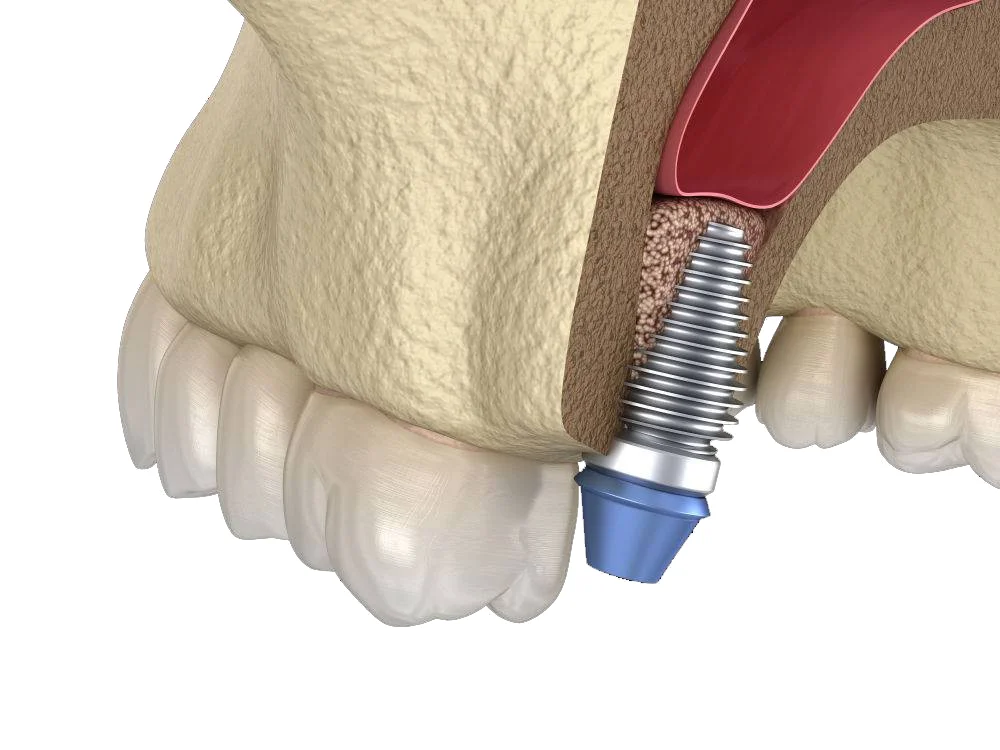
If sufficient native bone is available to provide primary implant stability, the implant may be placed during the same surgical procedure.
When the remaining bone is insufficient, healing is usually allowed for approximately 6–8 months before implant placement so that the graft can integrate.
Crestal (Closed) Sinus Lift
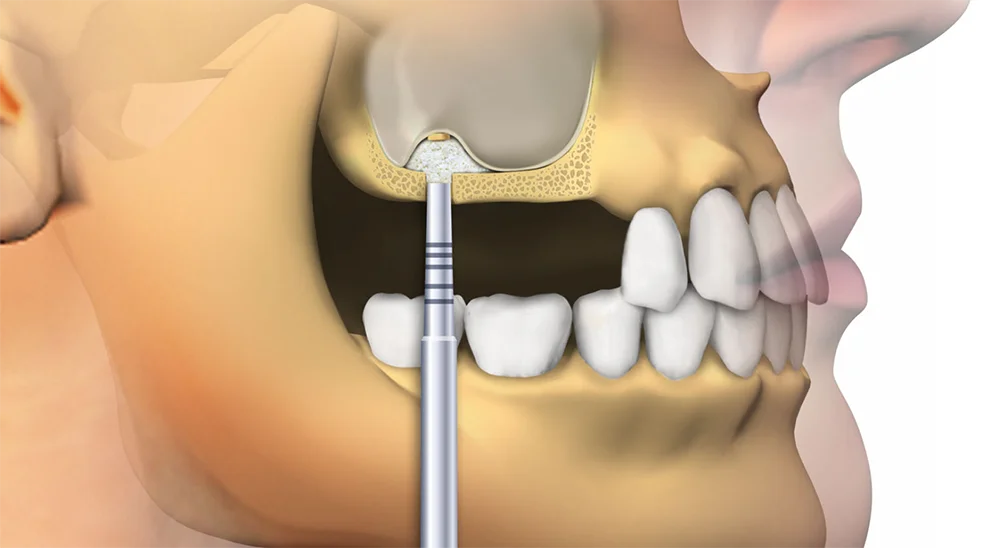
A crestal sinus lift is a less invasive technique used when only a small amount of sinus elevation is required and the patient has sufficient residual bone – usually more than approximately 6 mm.
With this method:
- the opening in the bone is prepared at the planned implant site;
- specialised drills and instruments are used to approach the sinus membrane;
- the membrane is carefully elevated using osteotomes, a balloon technique, or piezosurgical instruments;
- bone graft material is placed into the created space;
- the osteotomy is calibrated and the implant is usually placed immediately during the same appointment.
The crestal sinus lift can shorten the overall treatment time because a separate surgical stage for implant placement is usually not required.
It is not suitable when the residual bone is very thin or when significant sinus elevation is required.
Sinus Lift Cost
| 🦷 СИНУС ЛИФТ Sinus Lift | ||
| Латерален синус лифт | 1990 € | |
| Крестален синус лифт | 490 € | |
How Is Sinus Lift Surgery Performed at BalCare?
At BalCare Dental Clinic, sinus lift surgery is planned and performed according to a strict clinical protocol.
This helps provide safety, predictable results, and maximum patient comfort.
Preparation for a Sinus Lift
Before surgery, the following are performed:
- clinical examination and assessment of the gums and residual bone;
- dental radiography;
- 3D cone beam computed tomography (CBCT) to measure the height and width of the remaining bone and analyse the anatomy of the sinus.
All necessary examinations can be carried out at BalCare.
The clinician then determines whether a lateral or crestal sinus lift is more appropriate and plans the number and position of the implants.
Surgical Stage
The procedure is performed under local anaesthesia.
The patient should not experience pain, although pressure or mild vibrations may be felt.
The main steps include:
- Local anaesthesia is administered and full numbness is confirmed.
- A small incision is made in the gum to access the bone.
- A lateral window is created or, in a crestal approach, the implant osteotomy is prepared.
- The sinus membrane is carefully separated and elevated.
- Bone graft material is placed and, when indicated, covered with a membrane.
- The gum is repositioned and closed with fine sutures.
The entire procedure usually takes approximately 45 to 90 minutes, depending on the complexity of the case and whether one or both sinuses are being treated.
Implant Placement
After a sinus lift, there are two possible approaches:
- Implant placement during the same surgery – typically with a crestal sinus lift or when sufficient residual bone is available.
- Delayed implant placement – more commonly after a lateral sinus lift when the residual bone is significantly reduced. The implants are placed several months later, once the regenerated bone is sufficiently mature and stable.
At BalCare, the decision is made individually based on the diagnostic findings, the patient’s general health, and the desired treatment timeline.
What Materials Are Used for a Sinus Lift?
Specialised bone grafting materials are used during a sinus lift. These materials are biocompatible and help support new bone formation.
They may include:
- Autogenous bone graft – bone taken from another area of the patient’s jaw. It has excellent biological compatibility and strong bone-forming potential.
- Xenograft – purified bone substitute material of animal origin that acts as a scaffold on which the patient’s own bone can grow.
- Allograft – processed human donor bone used in selected cases.
- Synthetic bone substitutes – calcium-based materials that gradually integrate with the surrounding tissues.
A combination of the patient’s own bone and a bone substitute may be used to optimise the result.
A resorbable membrane may then be placed over the graft to protect it and support proper healing.
What Should I Expect After Surgery and How Long Does Recovery Take?
After a sinus lift, it is normal to experience:
- mild swelling of the cheek in the surgical area;
- mild to moderate discomfort that can usually be controlled with pain medication;
- minimal bleeding from the mouth and occasionally from the nose;
- a feeling of pressure or heaviness in the sinus area.
Discomfort generally lasts for approximately 2–3 days and gradually decreases.
Many patients find the recovery easier than they expected.
Recommendations after surgery may include:
- apply a cold compress to the cheek – approximately 15 minutes on, followed by 15 minutes off;
- do not rinse the mouth vigorously during the first 24 hours;
- do not brush directly over the surgical site until your dentist advises you to do so;
- avoid dairy products during the first 1–2 days if specifically recommended by your clinician;
- eat soft foods that are not excessively hot;
- do not smoke;
- do not blow your nose for at least one week and avoid forceful sneezing;
- sleep with your head slightly elevated and, if possible, on the side opposite the surgical area.
Complete formation and stabilisation of the new bone generally takes approximately 4 to 10 months, depending on the grafting material, the patient’s age, and general health.
After this period, the regenerated bone can provide stable long-term support for dental implants.
What Are the Risks and Possible Complications?
A sinus lift is a well-established surgical procedure, but like any operation, it carries potential risks.
When performed by an experienced surgeon following appropriate diagnostic planning, these risks can be minimised.
Possible complications include:
- Perforation of the sinus membrane during surgery. Small perforations may be covered with a membrane and often do not compromise the final result. Larger tears may require part of the procedure to be postponed.
- Infection and inflammation affecting the sinus or bone graft. Appropriate surgical protocols, postoperative care, and good oral hygiene help reduce this risk.
- Prolonged bleeding or swelling, which is less common but may occur in patients with certain medical conditions.
- Partial loss or failure of the bone graft, particularly in smokers or when postoperative instructions are not followed.
At BalCare, particular attention is paid to detailed diagnostics, surgical sterility, and careful postoperative monitoring in order to minimise the risk of complications.
When Is a Sinus Lift Not Recommended?
Certain conditions may require sinus lift surgery to be postponed or may represent contraindications to treatment.
For this reason, it is important to provide your dentist with complete information about your medical history.
Potential contraindications include:
- chronic untreated sinusitis;
- polyps, cysts, or other lesions within the sinus;
- severe systemic diseases in an active phase;
- uncontrolled diabetes;
- blood-clotting disorders;
- active oral infections and untreated periodontitis.
When such conditions are present, the relevant ENT or dental treatment should be completed first.
A sinus lift can then be reconsidered once the patient’s general and oral health have been stabilised.
Frequently Asked Questions About Sinus Lift Surgery
Is a Sinus Lift Painful?
During the procedure – no, because it is performed under local anaesthesia.
You may feel pressure or vibrations, but you should not experience sharp pain.
After surgery, mild to moderate discomfort may occur and can usually be controlled effectively with pain-relieving medication.
Many patients describe the discomfort as similar to, or even milder than, that experienced after a tooth extraction.
Is Sinus Lift Surgery Dangerous?
Sinus lift surgery is a well-studied and widely used procedure in implant dentistry.
When properly planned and performed by an experienced surgeon, the risk of serious complications is low.
It is important to follow all of your clinician’s instructions, both before surgery and during the postoperative period.
This helps reduce the risk of complications and supports a successful final result.
How Long After a Sinus Lift Can a Dental Implant Be Placed?
With a crestal or closed sinus lift, the implant is usually placed immediately during the same appointment.
After a lateral sinus lift, implants are commonly placed after approximately 4–8 months, once the newly formed bone has stabilised.
The exact timing is determined individually based on the grafting material, the volume of augmentation, and the patient’s healing response.
Can I Avoid a Sinus Lift and Choose a Denture Instead?
Alternative treatment options such as removable dentures or bridges are available.
However, they do not provide the same type of fixed support as implant treatment and do not prevent bone loss in the same way.
A sinus lift combined with dental implants can help restore chewing function and preserve the available bone over the long term.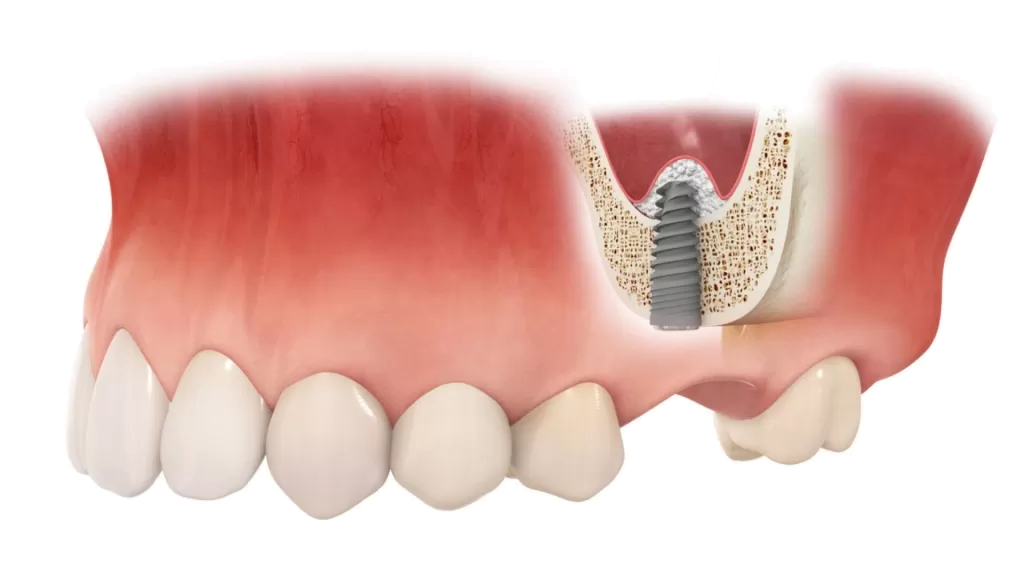
Why Choose BalCare Dental Clinic for a Sinus Lift?
Sinus lift surgery requires a combination of surgical experience, modern technology, and precise treatment planning.
At BalCare Dental Clinic, patients receive a comprehensive approach – from diagnostics and planning to implant placement and the final implant-supported restoration.
At the clinic, you can rely on:
- detailed clinical and radiographic analysis of your individual case;
- 3D planning for implant placement and sinus lift surgery;
- an experienced team in implant dentistry and bone augmentation;
- established bone grafting materials and minimally invasive surgical techniques;
- careful postoperative care and follow-up examinations until complete recovery.
If you have postponed dental implant treatment for years because you were told that you “do not have enough bone”, a sinus lift may make fixed, stable, aesthetic, and functional teeth possible.
At BalCare Dental Clinic, this treatment can be carefully planned and carried out with a predictable, individualised approach.
