Early Loss of Baby Teeth: What Parents Need to Know
Baby teeth (primary teeth) play an important role in the development of a child’s mouth. They not only allow normal chewing and speech, but also help maintain space and guide the eruption of the permanent teeth.
The natural process of losing baby teeth usually begins at around the age of 6 and continues until approximately 12–13 years of age. But what happens when a baby tooth is lost too early?
What Is Premature Loss of a Baby Tooth?
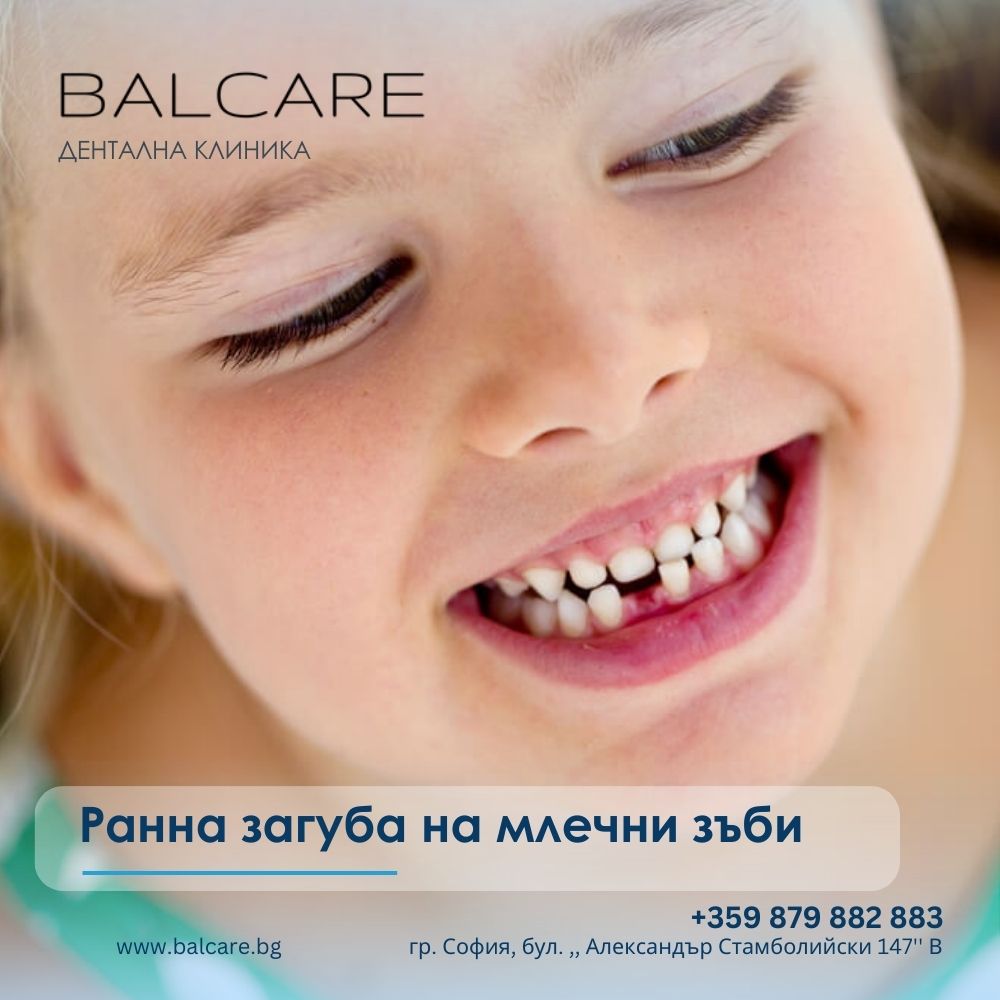
Premature tooth loss means that a primary tooth falls out or needs to be extracted before its natural time of exfoliation and before the permanent tooth underneath is ready to erupt.
This can occur for a variety of reasons during childhood, particularly in children who are more active or more susceptible to dental disease.
Although losing a baby tooth early may initially seem harmless, premature loss of primary teeth can affect the space available for the permanent teeth and the development of the bite.
For this reason, early tooth loss should always be assessed by a paediatric dentist.
Why Are Baby Teeth So Important?
Many parents assume that because baby teeth will eventually be replaced, losing one earlier than expected is not a significant problem.
However, primary teeth have several important functions. They:
- maintain space for the permanent teeth;
- contribute to the development of the jaws and facial structures;
- support normal chewing and eating;
- play a role in speech development;
- help guide the permanent teeth into their correct positions;
- contribute to the child’s smile and confidence.
This is why monitoring dental development throughout childhood is so important.
What Causes Premature Loss of Baby Teeth?
There are several possible reasons why a primary tooth may be lost earlier than expected.
1. Tooth Decay and Dental Infections
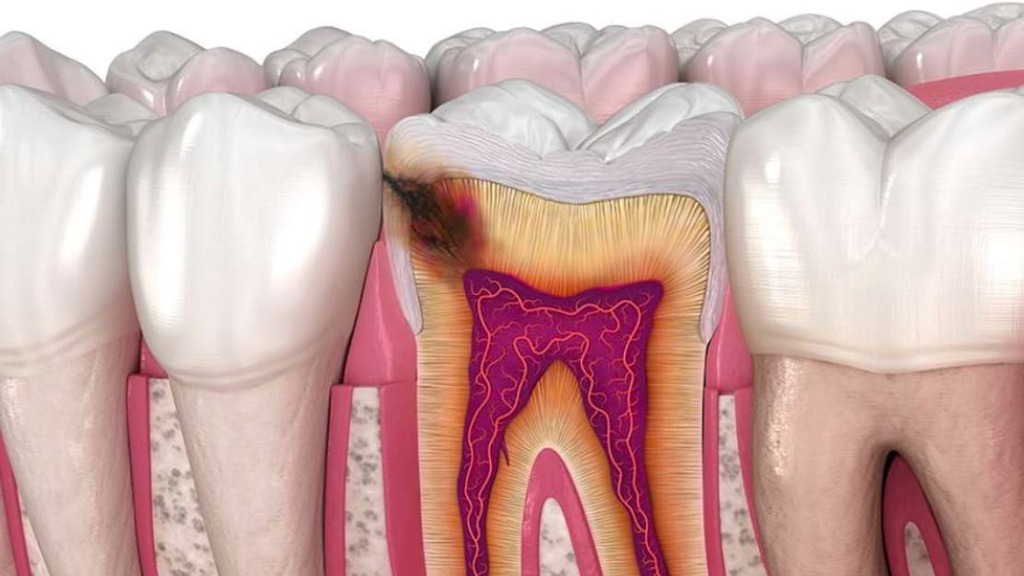
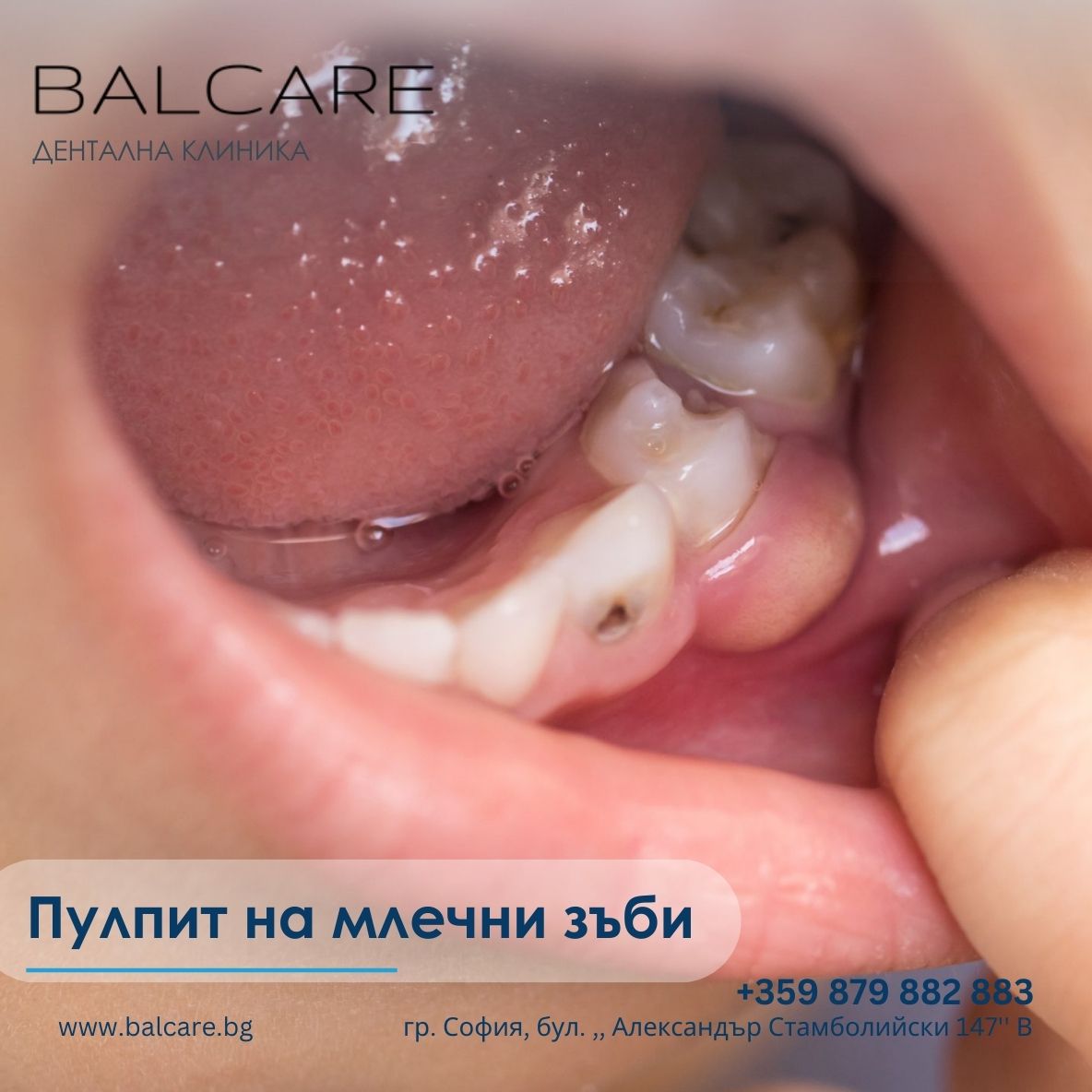
Untreated tooth decay in baby teeth can progressively destroy the tooth structure.
If the decay reaches the dental pulp, infection or an abscess may develop. When the tooth can no longer be predictably restored, extraction may become necessary.
For this reason, early diagnosis and treatment of childhood caries are among the most important ways to prevent premature tooth loss.
2. Dental Trauma
Falls, sports injuries, and blows to the mouth can cause a baby tooth to become loose, displaced, fractured, or completely knocked out.
Dental trauma is particularly common in young, active children.
Any significant injury to a primary tooth should be evaluated by a dentist, even if the child does not initially complain of pain.
3. Gum and Periodontal Conditions
Severe periodontal disease is uncommon in children, but certain conditions affecting the gums and supporting tissues can contribute to abnormal tooth mobility.
Persistent inflammation, bleeding gums, or unexpected loosening of several teeth should therefore always be investigated by a dental professional.
4. Chronic or Genetic Conditions
Certain systemic, metabolic, genetic, endocrine, or bone disorders may affect the supporting structures of the teeth and, in some cases, contribute to premature tooth loss.
When teeth become loose significantly earlier than expected without an obvious dental cause, further investigation may be necessary.
What Can Happen When a Baby Tooth Is Lost Too Early?
The consequences depend on:
- which tooth has been lost;
- the child’s age;
- how soon the permanent successor is expected to erupt;
- the development of the surrounding teeth and jaws;
- the existing bite.
Possible consequences include:
- movement of neighbouring teeth into the empty space;
- loss of space for the permanent tooth;
- crowding or displacement of permanent teeth;
- altered eruption pathways;
- development of an incorrect bite;
- the need for future orthodontic treatment;
- difficulty with chewing or speech in some cases;
- more difficult oral hygiene if neighbouring teeth move into unfavourable positions.
Not every prematurely lost baby tooth requires treatment, which is why an individual assessment is essential.
What Should You Do If Your Child Loses a Baby Tooth Too Early?
Visit a Paediatric Dentist
Arrange an examination as soon as possible.
The dentist will assess:
- which tooth has been lost;
- the condition of the neighbouring teeth;
- the child’s stage of dental development;
- the position and development of the permanent successor;
- whether space is likely to be lost.
An X-ray may be recommended when additional information about the developing permanent tooth is required.
Attend Regular Follow-Up Appointments
Dental development should be monitored over time.
Regular examinations allow the dentist to identify any unwanted movement of neighbouring teeth or changes in the eruption of the permanent tooth at an early stage.
Consider a Space Maintainer When Appropriate
In selected cases, the dentist or orthodontist may recommend a space maintainer.
This appliance is designed to preserve the space left by the prematurely lost baby tooth until the permanent tooth is ready to erupt.
What Is a Space Maintainer?
A space maintainer is a dental or orthodontic appliance used to preserve the space created when a primary tooth is lost too early.
Depending on the clinical situation, it may be:
- fixed, meaning it remains attached in the mouth; or
- removable, when this is appropriate for the child.
The appliance is individually selected or made according to the child’s dental development.
Its main purpose is to prevent neighbouring teeth from moving into the space required for the permanent tooth.
What Are the Benefits of a Space Maintainer?
When clinically indicated, a space maintainer can:
- help prevent neighbouring teeth from drifting into the empty space;
- preserve room for the developing permanent tooth;
- support a more favourable eruption pathway;
- reduce the risk of future crowding;
- potentially reduce the complexity of later orthodontic treatment;
- help maintain normal dental arch development.
Space that has already been lost can be more difficult to recover later, which is why timely assessment is important.
Does Every Child Who Loses a Baby Tooth Early Need a Space Maintainer?
No.
A space maintainer is not automatically required after every prematurely lost baby tooth.
The decision depends on factors such as:
- the tooth that was lost;
- the child’s age;
- the amount of time before the permanent tooth is expected to erupt;
- the position of neighbouring teeth;
- available space in the dental arch;
- the child’s bite;
- oral hygiene and ability to maintain the appliance.
The paediatric dentist or orthodontist will determine whether monitoring alone is sufficient or whether maintaining the space would be beneficial.
Care and Monitoring After Placement of a Space Maintainer
Once a space maintainer has been placed, regular follow-up is important.
The dentist or orthodontist will monitor:
- the condition of the appliance;
- oral hygiene around it;
- the development of the jaws;
- the eruption of the permanent tooth;
- changes in the surrounding teeth.
Good oral hygiene is particularly important because food and plaque can accumulate around fixed appliances.
When the permanent tooth begins to erupt and the appliance is no longer necessary, the dentist will determine the appropriate time for its removal.
How Can Premature Loss of Baby Teeth Be Prevented?
Prevention begins with protecting the health of the primary teeth.
Important measures include:
- take your child for regular dental examinations;
- establish good oral hygiene from an early age;
- brush twice daily with age-appropriate fluoride toothpaste;
- limit frequent consumption of sugary and sticky foods;
- encourage water instead of sweetened drinks between meals;
- treat cavities before they progress to infection;
- use an appropriate mouthguard during sports when there is a risk of dental trauma;
- seek dental care promptly after an injury to the mouth;
- do not ignore unexplained tooth mobility, pain, swelling, or inflammation.
Regular preventive care gives the dentist an opportunity to identify problems before they lead to premature tooth loss.
When Should You Contact a Dentist?
Arrange a dental examination if:
- a baby tooth falls out significantly earlier than expected;
- a tooth becomes loose after trauma;
- your child has toothache or swelling;
- there is pus or another sign of infection;
- a baby tooth has been extracted because of extensive decay;
- several teeth become unexpectedly mobile;
- you are concerned that neighbouring teeth are moving into the empty space.
Early assessment can help determine whether treatment is required or whether the area simply needs to be monitored.
Protecting the Space for the Permanent Smile
Baby teeth are temporary, but the space they maintain is extremely important for the developing permanent dentition.
When a primary tooth is lost too early, the appropriate approach depends on the individual child. In some cases, careful monitoring is all that is required. In others, a space maintainer can help preserve the area needed for the permanent tooth to erupt.
If your child has experienced premature loss of a baby tooth, do not wait for neighbouring teeth to begin moving.
The team at BalCare Dental Clinic can assess your child’s dental development and recommend the most appropriate approach according to their age, bite, and individual needs.