BalCare — чат


Dental Blog

Read our dental blog to learn more about your oral health, get tips on dental care, and discover helpful articles about your smile. We take pride in creating a friendly, positive dental environment where you can always feel comfortable under our care and guidance.

kak-da-predotvratim-zybniya-karies-balcare.jpg
31/Mar/2025

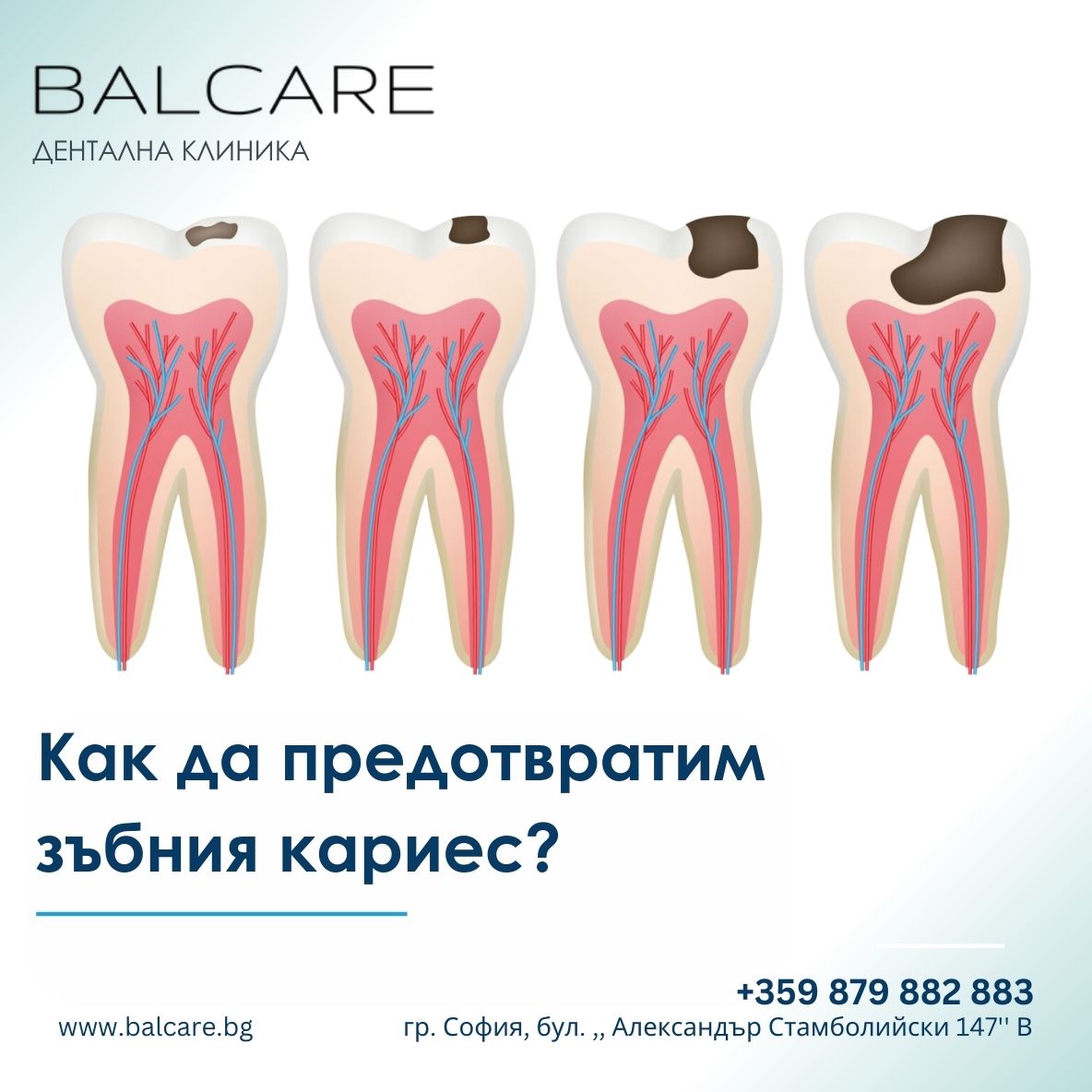
Зъбният кариес е едно от най-разпространените заболявания в света, засягащо както деца, така и възрастни. Той се образува, когато бактериите в устната кухина разграждат захарите от храната и създават киселини, които разрушават емайла. В тази статия ще разгледаме ефективни методи за предотвратяване на кариеса, както и практични съвети за поддържане на здрави зъби.

halitoza-losh-dyh-balcare.jpg
27/Mar/2025

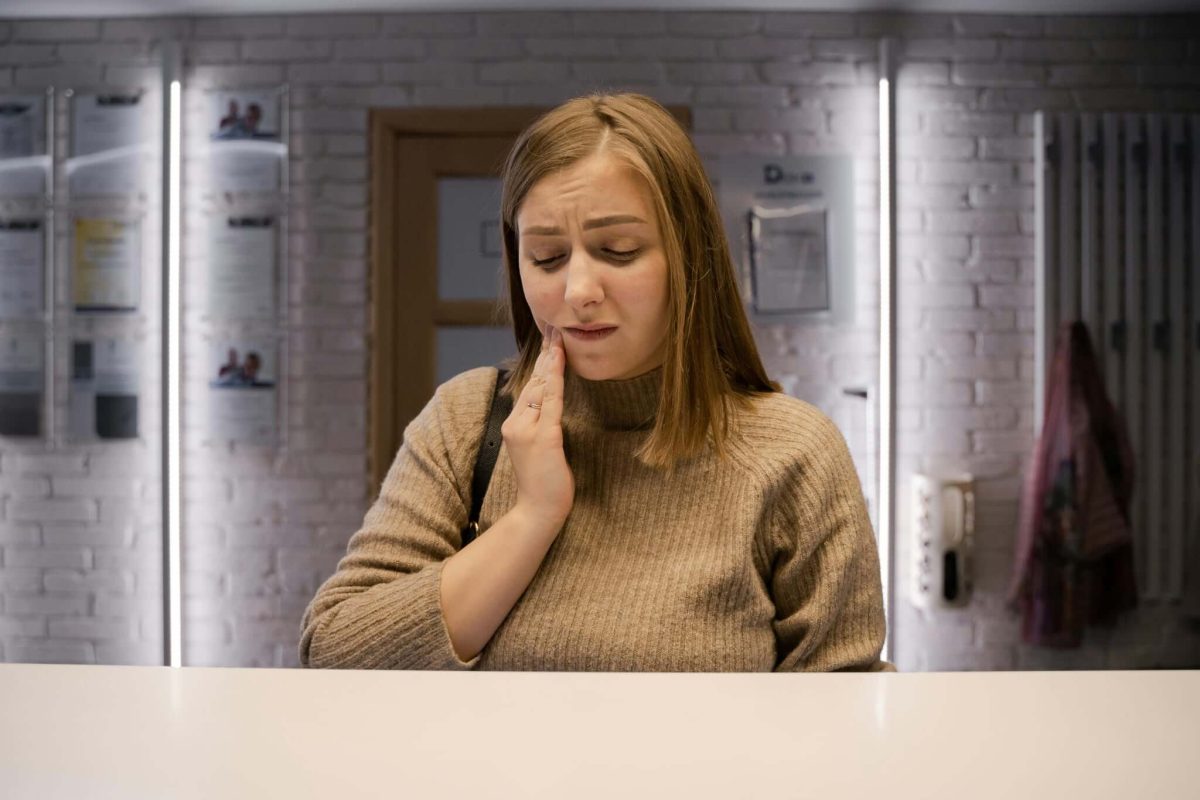
Halitosis – Causes, Symptoms and Effective Ways to Manage Bad Breath

Halitosis, or persistent bad breath, is a common condition that can have many different causes.

In most cases, the source is within the mouth and may be related to bacterial accumulation on the tongue, inadequate oral hygiene, gum disease, dry mouth, or untreated dental problems.

Less commonly, persistent bad breath may also be associated with conditions outside the oral cavity, such as certain respiratory or gastrointestinal disorders.

Although chewing gum, mints, and mouth sprays can temporarily improve breath, they usually mask the odour rather than address its underlying cause.

What Are the Main Causes of Chronic Bad Breath?

Halitosis may be caused by one or several factors.

Bacterial Coating on the Tongue

The back of the tongue contains numerous small grooves and papillae where:

  • bacteria;
  • food debris;
  • dead cells;

can accumulate.

These bacteria may produce volatile sulphur compounds, which are among the main substances responsible for unpleasant breath.

For many people, the tongue is therefore an important source of oral malodour.

Dry Mouth – Xerostomia

Saliva naturally helps clean the mouth, neutralise acids, and limit bacterial accumulation.

When saliva production is reduced, the mouth becomes drier and bacteria can multiply more easily.

Xerostomia, or dry mouth, may be associated with:

  • certain medications;
  • dehydration;
  • mouth breathing;
  • smoking;
  • some medical conditions;
  • reduced salivary gland function.

Bad breath is often more noticeable in the morning because saliva production naturally decreases during sleep.

Gum Disease

Gingivitis and periodontitis are common oral causes of persistent bad breath.

When periodontal pockets develop around the teeth, bacteria and debris can accumulate below the gum line.

Other signs may include:

  • bleeding gums;
  • swelling;
  • gum recession;
  • bad taste in the mouth;
  • loose teeth in advanced cases.

Persistent halitosis together with gum bleeding should therefore be assessed by a dentist or periodontist.

Tooth Decay and Other Dental Problems

Untreated cavities, dental infections, defective restorations, and food trapped around difficult-to-clean areas can also contribute to unpleasant breath.

This is another reason why persistent halitosis should not be treated with mouthwash alone.

Gastro-Oesophageal Reflux

Gastro-oesophageal reflux disease (GORD/GERD) may contribute to unpleasant taste or breath in some patients.

However, persistent halitosis is more commonly caused by oral factors than by the stomach.

If a thorough dental examination does not identify a cause and symptoms of reflux are also present, further medical assessment may be appropriate.

Diet

Certain foods can temporarily affect breath.

Common examples include:

  • garlic;
  • onions;
  • strongly spiced foods;
  • alcohol;
  • coffee.

After digestion, some aromatic compounds enter the bloodstream and are released through the lungs, meaning that brushing alone cannot always remove the odour immediately.

What Are the Symptoms of Halitosis?

The main symptom is persistent unpleasant breath, but patients may also notice:

  • an unpleasant or metallic taste;
  • a coated tongue;
  • dry mouth;
  • frequent bad taste on waking;
  • gum bleeding;
  • visible plaque or tartar;
  • recurring mouth dryness.

Many people find it difficult to assess their own breath accurately, so feedback from a trusted person or professional evaluation may sometimes be helpful.

How Can Halitosis Be Treated?

The most effective treatment depends on identifying the underlying cause.

1. Clean the Tongue Regularly

Cleaning the tongue can help reduce bacterial accumulation and volatile sulphur compounds.

A tongue scraper or appropriately designed toothbrush may be used gently, particularly on the back of the tongue.

There is no need to scrape aggressively, as this may irritate the tongue.

The most important factor is regular and gentle cleaning, rather than the specific material from which the scraper is made.

2. Improve Oral Hygiene

Daily oral hygiene is essential.

This should include:

  • brushing twice a day with fluoride toothpaste;
  • cleaning between the teeth every day;
  • using interdental brushes or dental floss;
  • cleaning removable dentures or appliances thoroughly;
  • cleaning the tongue.

If plaque remains between the teeth or below the gum line, mouthwash alone will not solve the problem.

3. Maintain Good Hydration

Drinking sufficient water can help when dry mouth contributes to halitosis.

Other useful measures may include:

  • chewing sugar-free gum to stimulate saliva;
  • limiting alcohol;
  • reducing tobacco use;
  • discussing medication-related dry mouth with a healthcare professional.

Persistent xerostomia should be professionally assessed.

4. Mouth Rinses

Certain mouthwashes can help reduce oral bacteria and temporarily improve breath.

Chlorhexidine may be useful in selected dental situations, but it is usually recommended for limited periods and under professional guidance.

Prolonged use may cause:

  • tooth staining;
  • altered taste;
  • increased tartar accumulation in some patients.

For this reason, chlorhexidine should not be used indefinitely as a general solution for bad breath.

5. What About Baking Soda Rinses?

Sodium bicarbonate can temporarily alter the oral environment and may help neutralise acidity.

However, it should not be regarded as a primary treatment for chronic halitosis.

If unpleasant breath persists, the more important step is to identify whether there is:

  • tongue coating;
  • gum disease;
  • dental caries;
  • dry mouth;
  • another underlying condition.

6. Can Probiotics Help?

Certain oral probiotics are being investigated for their potential role in modifying the oral microbiome.

However, probiotics should not replace standard treatment, such as professional dental care, plaque control, tongue cleaning, and management of gum disease.

There is also no reason to assume that chronic bad breath is primarily caused by an imbalance of intestinal bacteria.

Professional Dental Cleaning

If plaque and tartar are contributing to halitosis, professional cleaning may significantly improve the problem.

Depending on the condition of the gums, treatment may include:

  • removal of plaque and calculus;
  • scaling;
  • subgingival cleaning;
  • periodontal treatment;
  • individual oral-hygiene instruction.

Common Myths About Halitosis

Myth: Bad Breath Always Means Poor Oral Hygiene

Fact: Poor oral hygiene is a common cause, but halitosis may also be associated with dry mouth, periodontal disease, dental infections, certain medications, respiratory conditions, or other health problems.

Myth: Mouthwash and Chewing Gum Cure Halitosis

Fact: These products may temporarily reduce or mask unpleasant odour, but they do not necessarily treat the underlying cause.

Myth: Bad Breath Usually Comes from the Stomach

Fact: Most persistent cases originate in the oral cavity, particularly from the tongue, gums, or dental plaque.

Gastrointestinal causes are possible but are less common.

When Should You See a Dentist?

Arrange a dental examination if bad breath:

  • persists despite good brushing and interdental cleaning;
  • is accompanied by bleeding or swollen gums;
  • occurs together with toothache;
  • is associated with a persistent bad taste;
  • is accompanied by loose teeth;
  • is linked to significant dry mouth.

The dentist can assess the teeth, gums, tongue, restorations, and oral hygiene to determine whether the source is dental.

If no oral cause is identified, referral to another healthcare professional may be appropriate.

How Can You Prevent Bad Breath?

Good daily habits can significantly reduce the risk of halitosis.

Try to:

  • brush your teeth twice daily;
  • clean between the teeth every day;
  • clean your tongue gently;
  • drink sufficient water;
  • attend regular dental examinations;
  • have professional cleaning when required;
  • avoid smoking and tobacco;
  • address gum disease promptly;
  • manage dry mouth if present.

How Can Halitosis Be Managed Long Term?

Long-term improvement depends on treating the cause rather than simply masking the smell.

For many patients, effective management involves a combination of:

  • improved oral hygiene;
  • tongue cleaning;
  • professional dental cleaning;
  • periodontal treatment when necessary;
  • management of dry mouth;
  • treatment of cavities or dental infections.

If the problem continues despite a healthy oral cavity, further medical investigation may be appropriate.

Halitosis can be uncomfortable and embarrassing, but in many cases it can be successfully managed once the underlying cause is identified.

At BalCare Dental Clinic, a dental examination can help determine whether persistent bad breath is associated with plaque, gum disease, dental problems, dry mouth, or another oral condition.

Fresh breath begins with a healthy mouth – and identifying the cause is the first step towards lasting improvement.


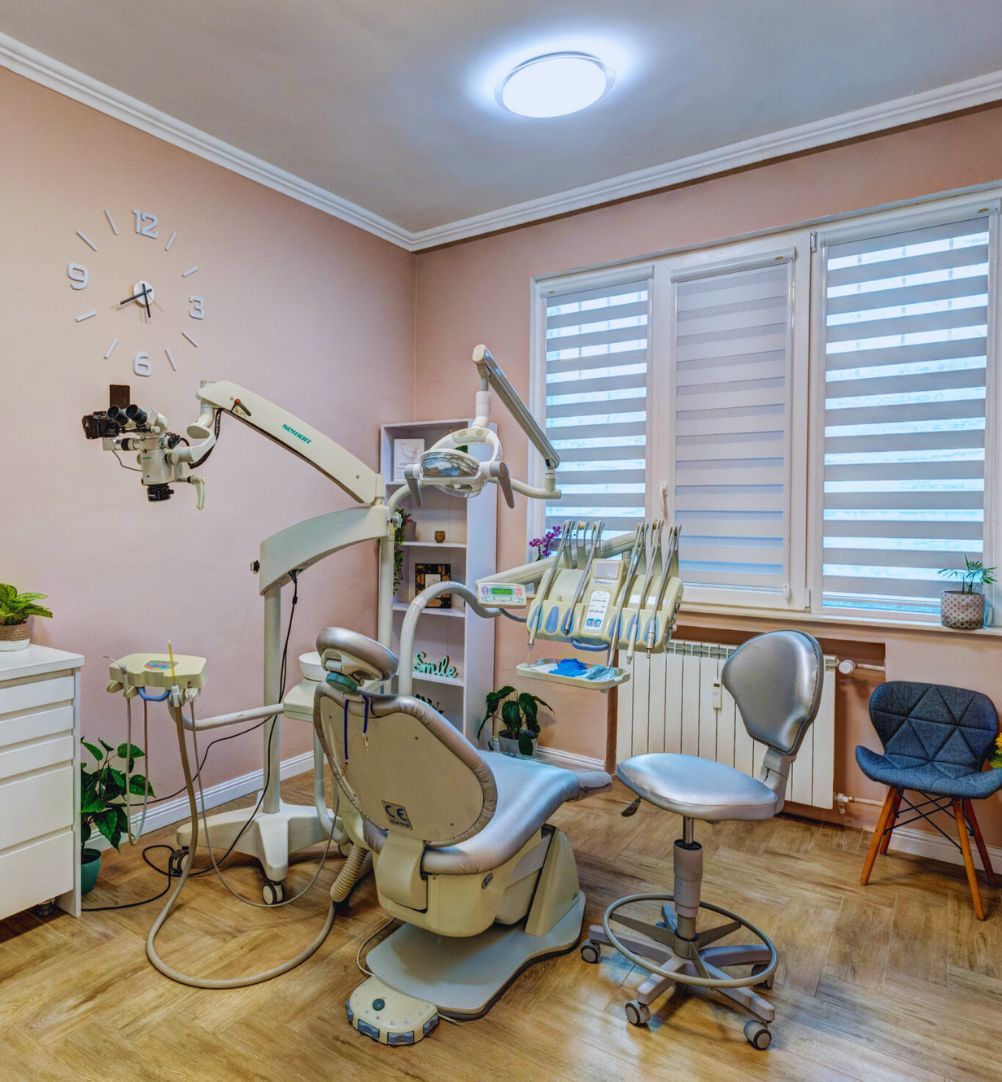
dentalna-klinika-balcare-denalni-uslugi-2.jpg
26/Mar/2025

Best Dental Clinic in Sofia: A Guide to Choosing High-Quality Dental Care

If you are looking for high-quality dental care in Sofia, choosing the right clinic is an important step towards maintaining a healthy and confident smile.

Whether you are new to the city or simply searching for a reliable dental clinic, it is worth looking beyond location and price. The quality of the dental team, technology, range of treatments, communication, hygiene standards, and individual approach can all make a significant difference to your experience and treatment outcome.

In this guide, we look at what to consider when searching for the best dental clinic in Sofia and what makes BalCare Dental Clinic a strong choice for patients looking for comprehensive dental care.

Why Is Sofia Becoming a Popular Destination for Dental Care?

Sofia, the capital of Bulgaria, has developed into a modern European city with an increasingly advanced healthcare and dental sector.

Patients today have access to:

  • highly trained dental professionals;
  • modern diagnostic and treatment technology;
  • multidisciplinary dental teams;
  • a wide range of preventive, restorative, surgical, and aesthetic treatments;
  • competitive treatment costs compared with many other European capitals.

This combination makes Sofia attractive not only to local patients but also to people living abroad who are looking for professional dental treatment in Bulgaria.

What Should You Look for When Choosing a Dental Clinic in Sofia?

Finding the right dental clinic involves more than simply searching for the nearest dentist.

Several factors can help you evaluate the quality of care.

Qualified and Experienced Dental Professionals

A reputable dental clinic should have a team with experience across different areas of dentistry.

At BalCare, patients have access to dentists working in fields including:

  • general dentistry;
  • orthodontics;
  • prosthodontics;
  • paediatric dentistry;
  • endodontics;
  • implant dentistry;
  • periodontology;
  • oral surgery.

Continuous professional development is also important because modern dentistry evolves rapidly and new diagnostic and treatment techniques are constantly being introduced.

Modern Dental Technology

Contemporary technology can make dental diagnosis and treatment more precise, predictable, and comfortable.

Modern dental care may involve:

  • digital diagnostics;
  • 3D imaging;
  • intraoral scanning;
  • microscope-assisted treatment;
  • digitally planned implant procedures;
  • modern orthodontic technologies.

Technology itself does not replace clinical expertise, but when combined with experienced professionals, it can significantly improve treatment planning and precision.

Comprehensive Range of Dental Services

One advantage of choosing a multidisciplinary dental clinic is the ability to receive different types of treatment in one place.

At BalCare Dental Clinic, care ranges from preventive examinations and professional cleaning to more complex restorative and specialist treatment.

This may include:

  • preventive dentistry;
  • fillings and restorative treatment;
  • root canal treatment;
  • crowns and bridges;
  • dental implants;
  • orthodontics;
  • paediatric dentistry;
  • periodontal treatment;
  • surgical procedures.

A multidisciplinary approach can also make communication between different specialists easier when a patient requires more complex treatment.

Patient-Centred Care

High-quality dentistry is not only about performing a technically successful procedure.

Good communication is equally important.

Patients should understand:

  • their diagnosis;
  • available treatment options;
  • the expected stages of treatment;
  • possible alternatives;
  • maintenance requirements.

At BalCare, treatment plans are adapted to the individual clinical situation and discussed with the patient before treatment begins.

Hygiene and Sterilisation Standards

Strict hygiene and sterilisation protocols are essential in every dental clinic.

A professional dental practice should follow established procedures for:

  • instrument sterilisation;
  • surface disinfection;
  • infection control;
  • preparation of treatment areas;
  • safe handling of dental materials and equipment.

These protocols help protect both patients and the dental team.

Why Choose BalCare Dental Clinic in Sofia?

BalCare Dental Clinic provides comprehensive dental care in central Sofia, combining an experienced multidisciplinary team with modern technology and individual treatment planning.

1. Experienced Dental Team

BalCare brings together dental professionals with experience in several areas of dentistry.

This includes treatment in:

  • general dentistry;
  • orthodontics;
  • prosthodontics;
  • paediatric dentistry;
  • endodontics;
  • implant dentistry;
  • periodontal care.

Having different specialists within the same clinic makes it possible to coordinate complex treatment plans when necessary.

2. Modern Dental Technology

BalCare uses contemporary diagnostic and treatment technology to support precise planning and minimally invasive approaches whenever clinically appropriate.

Modern equipment can help clinicians obtain detailed information about the teeth, bone, bite, and surrounding structures before treatment begins.

This is particularly valuable in areas such as:

  • implant dentistry;
  • endodontics;
  • orthodontics;
  • prosthodontics;
  • complex restorative treatment.

3. Wide Range of Dental Treatments

Patients can receive comprehensive care at one clinic – from routine prevention to advanced dental rehabilitation.

Services include treatment for both children and adults, allowing families to receive different types of dental care within the same clinical environment.

4. Individual and Friendly Patient Care

Every patient has different needs, expectations, and dental history.

For this reason, treatment should not follow a one-size-fits-all approach.

At BalCare, the dental team takes time to:

  • assess the individual clinical situation;
  • explain findings;
  • discuss treatment options;
  • answer questions;
  • create an individual treatment plan.

Particular attention is also paid to patient comfort throughout the treatment process.

5. Transparent Treatment Planning

Understanding the proposed treatment and its cost is an important part of making an informed decision.

At BalCare, patients can discuss the planned procedures, treatment stages, and associated costs before beginning more complex dental treatment.

This makes it easier to understand both the clinical plan and the financial commitment involved.

6. Convenient Location in Central Sofia

BalCare Dental Clinic is conveniently located in central Sofia, at the corner of Al. Stamboliyski Blvd. and Eng. Ivan Ivanov St.

There is a large car park nearby for patients travelling by car.

The clinic is also easily accessible by public transport, including:

  • metro;
  • tram lines 3, 4, 8 and 10;
  • bus 60.

The central location makes the clinic convenient for patients travelling from different areas of Sofia.

How to Choose the Right Dentist for Your Needs

The “best” dentist is not necessarily the same for every patient.

When choosing a dental clinic, consider what type of treatment you require.

For example:

  • a child may benefit from a dentist experienced in paediatric dentistry;
  • complex root canal treatment may require an endodontic specialist and dental microscope;
  • missing teeth may require consultation with an implant dentist and prosthodontist;
  • bite or tooth-alignment problems should be assessed by an orthodontist;
  • bleeding or receding gums may require periodontal evaluation.

A clinic with several dental disciplines can make it easier to receive the appropriate specialist assessment without moving between multiple practices.

What Should You Expect at Your First Appointment?

A first dental appointment usually begins with a detailed assessment.

Depending on your needs, this may include:

  • discussion of your dental and medical history;
  • examination of the teeth and gums;
  • assessment of the bite;
  • digital or radiographic diagnostics when necessary;
  • discussion of your concerns and expectations.

After the examination, the dentist can explain the findings and recommend the most appropriate next steps.

For more complex cases, additional specialist consultations or diagnostic procedures may be recommended before the final treatment plan is created.

Prevention Is an Important Part of High-Quality Dental Care

A good dental clinic should not focus only on treating existing problems.

Prevention and early diagnosis are equally important.

Regular dental examinations can help identify:

  • early tooth decay;
  • gum inflammation;
  • periodontal disease;
  • damaged restorations;
  • bite problems;
  • changes that may require further investigation.

Detecting problems early often allows treatment to be simpler and more conservative.

How Can You Book an Appointment?

If you are looking for a dental clinic in Sofia and would like to discuss your oral health, booking an appointment at BalCare Dental Clinic is straightforward.

You can contact the clinic directly or visit the practice in central Sofia to arrange an examination or specialist consultation.

At BalCare, the focus is on combining clinical expertise, modern technology, individual treatment planning, and patient comfort in one comprehensive dental environment.


bolka-v-temporomnadibularnata-stava-tms-dentalna-klinika-balcare-1200x800.jpg
20/Mar/2025

Temporomandibular Joint Pain: Causes, Diagnosis and Treatment

What Is the Temporomandibular Joint (TMJ)?

The temporomandibular joint (TMJ) is one of the most complex joints in the human body. It connects the lower jaw (mandible) to the skull and allows the movements required for essential everyday functions such as:

  • chewing;
  • speaking;
  • swallowing;
  • yawning;
  • opening and closing the mouth.

Problems affecting the joint, the chewing muscles, or the structures involved in jaw movement are collectively referred to as temporomandibular disorders (TMD).

TMD can cause pain, restricted jaw movement, and other symptoms that may significantly affect a patient’s comfort and quality of life.

Symptoms of Temporomandibular Disorders

TMJ and masticatory muscle problems can present in different ways.

Common symptoms include:

  • pain or discomfort in the jaw, particularly when chewing or speaking;
  • clicking, popping, or grinding sounds during jaw movement;
  • headaches, particularly around the temples;
  • pain in front of or around the ears;
  • restricted or painful mouth opening;
  • stiffness or fatigue in the jaw muscles;
  • episodes of jaw locking;
  • neck and shoulder tension;
  • pain when biting or chewing.

Some patients also report symptoms such as tinnitus, a sensation of ear pressure, or dizziness.

These symptoms are not specific to TMD and may also have other causes. When ear-related or neurological symptoms are present, additional medical assessment may therefore be necessary.

What Causes TMJ Pain?

There is rarely a single explanation for every case of TMD.

The condition is often multifactorial, meaning that several biological, mechanical, behavioural, and psychological factors may contribute at the same time.

Bruxism and Jaw Clenching

Bruxism involves involuntary clenching or grinding of the teeth.

It may occur:

  • during sleep;
  • while awake;
  • during periods of concentration or emotional tension.

Excessive jaw-muscle activity can contribute to:

  • muscle fatigue;
  • tenderness;
  • headaches;
  • tooth wear;
  • discomfort around the temporomandibular joints.

Stress does not automatically cause TMD, but it may increase jaw clenching and muscle tension in susceptible individuals.

Bite and Occlusal Factors

The relationship between the upper and lower teeth is known as the occlusion.

Certain bite characteristics may influence jaw function in individual patients, but an imperfect bite does not automatically mean that a patient will develop TMD.

For this reason, treatment should not be based solely on the appearance of the bite.

A comprehensive assessment of:

  • jaw movement;
  • muscle activity;
  • joint function;
  • dental contacts;
  • symptoms;

is necessary before determining whether occlusal factors are clinically relevant.

Trauma to the Jaw

An injury involving the face or jaw may affect:

  • the temporomandibular joint;
  • the articular disc;
  • the surrounding ligaments;
  • the chewing muscles.

Depending on the type of trauma, symptoms may develop immediately or gradually.

Previous accidents, sports injuries, or significant blows to the jaw are therefore important parts of the patient’s medical history.

Arthritis and Degenerative Joint Changes

The temporomandibular joint can be affected by joint diseases such as:

  • osteoarthritis;
  • rheumatoid arthritis;
  • other inflammatory arthropathies.

These conditions may cause:

  • pain;
  • stiffness;
  • joint sounds;
  • changes in jaw movement;
  • structural changes within the joint.

Imaging may be required when degenerative or inflammatory joint disease is suspected.

Oral Habits and Repetitive Jaw Loading

Certain habits can increase strain on the jaw muscles and joints, particularly when repeated for long periods.

Examples include:

  • frequent gum chewing;
  • nail biting;
  • chewing pens or other objects;
  • repeatedly resting the chin or jaw on the hand;
  • excessive jaw clenching;
  • very prolonged chewing of hard foods.

Reducing these behaviours may form part of conservative TMD management.

Posture and Muscle Tension

Posture does not necessarily cause TMD by itself, but prolonged positions associated with computer work or mobile-device use may contribute to tension in the:

  • neck;
  • shoulders;
  • facial muscles;
  • jaw muscles.

In some patients, addressing cervical and postural factors can therefore be useful as part of a broader treatment programme.

Hormonal and Biological Factors

TMD is reported more frequently in women, particularly during the reproductive years.

The reasons are complex and are likely to involve a combination of:

  • biological factors;
  • pain-processing mechanisms;
  • hormonal influences;
  • behavioural and psychosocial factors.

Hormones alone should not be considered a direct or universal cause of TMJ problems.

Habitual One-Sided Chewing

Some patients habitually chew predominantly on one side.

Although occasional asymmetrical chewing is normal, persistent one-sided function may be associated with muscular imbalance or may itself be a response to another dental problem.

The underlying reason should therefore be investigated rather than simply assuming that the habit is the primary cause of TMD.

How Is TMJ Pain Diagnosed?

Diagnosis of temporomandibular disorders begins with a detailed clinical assessment.

Because TMJ pain can resemble symptoms originating from the teeth, ears, sinuses, muscles, or neurological structures, accurate diagnosis is essential before treatment begins.

Clinical Examination

The examination may include assessment of:

  • where and when the pain occurs;
  • jaw opening and closing;
  • range of movement;
  • deviations during movement;
  • tenderness of the chewing muscles;
  • tenderness around the temporomandibular joints;
  • clicking or other joint sounds;
  • tooth wear associated with bruxism;
  • occlusion and dental contacts;
  • episodes of locking or restricted opening.

A detailed history of symptoms, previous trauma, bruxism, and daily habits is also important.

Imaging

Not every patient with TMJ pain requires imaging.

When clinically indicated, diagnostic methods may include:

X-Rays

Dental radiographs may help rule out problems involving the teeth and surrounding structures.

CBCT

Cone Beam Computed Tomography (CBCT) provides detailed information about the bony structures of the temporomandibular joints.

It can be useful when structural bone changes are suspected.

MRI

Magnetic Resonance Imaging (MRI) is particularly valuable when detailed assessment of soft tissues is required.

It can help visualise:

  • the articular disc;
  • joint fluid;
  • soft-tissue structures;
  • certain internal joint disorders.

The appropriate examination is selected according to the patient’s symptoms and clinical findings.

Functional and Gnathological Assessment

In selected patients, additional assessment of the relationship between:

  • jaw movement;
  • occlusion;
  • masticatory muscles;
  • temporomandibular joints;

may be helpful.

A gnathological assessment can provide additional information when symptoms are complex or when functional disturbances are suspected.

Treatment Options for Temporomandibular Disorders

Treatment depends on the cause, severity, and duration of symptoms.

In most patients, management begins with conservative and reversible approaches.

1. Conservative Treatment

Occlusal Splints

An individually made occlusal splint may be recommended for selected patients, particularly when bruxism or excessive tooth loading is present.

Depending on the clinical situation, a splint may help:

  • protect the teeth from wear;
  • redistribute occlusal forces;
  • reduce excessive loading;
  • provide a more stable jaw position;
  • reduce muscle or joint symptoms in some patients.

A splint does not necessarily eliminate bruxism itself, which is why treatment should be based on the individual diagnosis.

Physiotherapy

Physiotherapy can be particularly useful when muscle pain or restricted movement is present.

Treatment may include:

  • controlled jaw exercises;
  • stretching;
  • muscle relaxation techniques;
  • mobilisation;
  • exercises for the neck and shoulders;
  • advice regarding posture and movement.

Medication

Short-term medication may sometimes be prescribed to manage symptoms.

Depending on the individual patient, treatment may include:

  • analgesics;
  • anti-inflammatory medication;
  • occasionally other medication for muscle-related pain.

Medication should be selected according to the patient’s general health and used under appropriate professional guidance.

Heat or Cold Therapy

Warm compresses may help relax tense chewing muscles.

Cold applications may be useful in selected cases of acute pain or inflammation.

The most appropriate approach depends on the nature of the symptoms.

2. Lifestyle and Behavioural Changes

Small changes in everyday habits can reduce unnecessary jaw loading.

Reduce Jaw Clenching

Patients who clench their teeth while awake can practise keeping the jaw in a relaxed position.

At rest:

  • the lips may gently touch;
  • the upper and lower teeth should generally remain slightly apart;
  • the jaw muscles should feel relaxed.

Reduce Stress-Related Muscle Tension

Techniques such as:

  • breathing exercises;
  • relaxation;
  • meditation;
  • appropriate physical activity;
  • improved sleep habits;

may help patients in whom stress is associated with increased jaw-muscle activity.

Avoid Overloading the Joint

During painful periods, it may be helpful to temporarily reduce:

  • gum chewing;
  • very hard foods;
  • particularly chewy foods;
  • excessive mouth opening;
  • repetitive jaw habits.

This does not mean that the jaw should be permanently immobilised. Normal, comfortable movement is generally encouraged.

3. Orthodontic Treatment

Orthodontic treatment with braces or clear aligners may be appropriate when a patient also has an orthodontic problem requiring correction.

However, orthodontic treatment is not a routine first-line treatment for TMD solely because the patient has jaw pain.

Any decision to modify the bite should be based on a comprehensive orthodontic and functional diagnosis.

4. Minimally Invasive Joint Procedures

A small proportion of patients with specific intra-articular TMJ disorders may require additional treatment.

Arthrocentesis

Arthrocentesis is a minimally invasive procedure in which the joint space is irrigated.

It may be considered in selected cases involving persistent joint pain or restricted movement.

Arthroscopy

TMJ arthroscopy uses a small camera and specialised instruments to examine and treat certain conditions within the joint.

These procedures are generally considered only after appropriate diagnosis and when conservative treatment has not provided sufficient improvement.

5. Open Joint Surgery

Open TMJ surgery is rarely required.

It may be considered for specific structural conditions, severe joint damage, ankylosis, certain tumours, or advanced degenerative disease where less invasive approaches are insufficient.

In selected severe cases, reconstruction or joint replacement may be necessary.

When Should You Seek Professional Help?

A professional assessment is advisable if you experience:

  • persistent jaw pain;
  • painful or increasingly restricted mouth opening;
  • recurrent jaw locking;
  • pain while chewing;
  • significant changes in the way your teeth meet;
  • persistent headaches associated with jaw function;
  • symptoms following trauma;
  • progressive joint symptoms.

Clicking alone does not always require treatment, particularly if it is painless and jaw movement remains normal.

However, new, painful, or worsening joint sounds should be evaluated.

Why Accurate Diagnosis Matters

TMJ pain is not a single disease.

Similar symptoms may arise from:

  • the temporomandibular joint itself;
  • the chewing muscles;
  • bruxism;
  • dental problems;
  • arthritis;
  • trauma;
  • cervical muscle tension;
  • other medical conditions.

This is why successful management begins with determining where the symptoms originate and which factors are maintaining them.

Treatment should then be individualised rather than applying the same solution to every patient.

Conclusion

Temporomandibular joint pain and temporomandibular disorders can be complex, but many patients achieve significant improvement with appropriate diagnosis and conservative treatment.

Early management may help reduce pain, restore comfortable jaw movement, and prevent unnecessary strain on the teeth and masticatory system.

At BalCare Dental Clinic, patients with TMJ-related symptoms can receive a comprehensive functional and gnathological assessment to determine the possible origin of their discomfort and the most appropriate treatment approach.

If you experience jaw pain, clicking, restricted movement, recurrent headaches, or symptoms associated with bruxism, a professional assessment can help establish the cause and determine the next steps.

📅 Book an appointment at BalCare Dental Clinic: +359879882883

📺 Watch our detailed video on temporomandibular joint pain and TMD.


kak-stresa-vodi-do-problemi-s-temporomandibularnata-stava-dyvkatelni-muskuli-dentalna-klinika-balcare.jpg
02/Mar/2025

The Connection Between Stress and the Temporomandibular Joint

Stress can affect much more than our mood.

When we are under prolonged emotional or psychological strain, the nervous system may remain in a state of increased alertness. This can be accompanied by increased muscle activity throughout the body, including the muscles responsible for jaw movement.

Some people begin to:

  • clench their teeth during the day;
  • tighten the jaw without noticing;
  • grind their teeth during sleep;
  • hold the facial and chewing muscles in a constant state of tension.

Over time, these behaviours may contribute to discomfort in the masticatory muscles and, in some patients, symptoms associated with the temporomandibular joint (TMJ).

Bruxism – Clenching and Grinding of the Teeth

Bruxism refers to repetitive jaw-muscle activity involving clenching, grinding, or bracing of the jaw.

It may occur during sleep or while a person is awake.

Stress and emotional tension are particularly relevant to awake bruxism, when people may unconsciously clench their teeth during periods of concentration, anxiety, or pressure.

Excessive jaw-muscle activity may contribute to:

  • increased loading of the temporomandibular joints;
  • tension and pain in the chewing muscles;
  • tooth wear;
  • cracks or damage to dental restorations;
  • headaches, particularly around the temples;
  • neck and shoulder tension;
  • jaw fatigue.

Some patients may also notice clicking or other joint sounds, although these symptoms are not always caused directly by bruxism.

How Can Bruxism Affect the TMJ?

When the jaw muscles remain highly active for long periods, the masticatory system may become overloaded.

Possible symptoms include:

  • pain or tenderness around the jaw joints;
  • muscle fatigue or tightness;
  • difficulty or discomfort when opening the mouth;
  • clicking or popping during jaw movement;
  • headaches;
  • pain around the ear.

Some patients with TMD also report tinnitus, ear pressure, or dizziness.

These symptoms are not specific to temporomandibular disorders, however, and may have other causes. Persistent ear-related symptoms or dizziness should therefore be assessed appropriately rather than automatically attributed to the TMJ.

Signs That Stress May Be Affecting Your Jaw

You may be unconsciously overloading your jaw if you frequently notice:

  • your teeth touching or clenching during the day;
  • morning jaw stiffness;
  • tired chewing muscles after waking;
  • temple headaches;
  • tenderness around the cheeks or jaw;
  • tooth wear;
  • jaw fatigue during meals;
  • increased symptoms during stressful periods.

Becoming aware of these habits can be an important first step towards reducing excessive jaw-muscle activity.

How Can Stress-Related TMJ and Muscle Symptoms Be Managed?

Treatment depends on the individual cause and pattern of symptoms.

For most patients, management begins with conservative and reversible approaches.

1. Reduce Stress and Muscle Tension

When stress contributes to clenching or muscle tension, stress-management strategies may help reduce symptoms.

Useful approaches may include:

  • breathing exercises;
  • mindfulness or meditation;
  • yoga;
  • regular physical activity;
  • progressive muscle relaxation;
  • improving sleep habits;
  • psychological support when appropriate.

Cognitive behavioural therapy (CBT) may also be helpful for patients whose symptoms are strongly influenced by stress, anxiety, or habitual muscle tension.

The aim is not simply to “remove stress”, but to reduce the physical behaviours associated with it.

2. Become Aware of Daytime Clenching

During normal rest, the teeth should not remain tightly together.

A useful relaxed jaw position is:

  • lips gently together;
  • teeth slightly apart;
  • tongue resting comfortably;
  • jaw muscles relaxed.

Patients who clench during the day can benefit from consciously checking their jaw position several times throughout the day.

Simple reminders on a phone or computer may help interrupt the habit.

3. Occlusal Splints

For selected patients with bruxism or excessive tooth loading, an individually made occlusal splint may be recommended.

A splint can help:

  • protect teeth from wear;
  • protect restorations from excessive forces;
  • redistribute biting forces;
  • reduce excessive loading in some patients;
  • improve comfort during sleep.

However, a splint does not necessarily stop bruxism itself.

For this reason, it should be prescribed as part of an individual treatment plan rather than used as a universal solution for every patient with jaw pain.

4. Physiotherapy and Jaw Exercises

Physiotherapy can be particularly helpful when symptoms are mainly related to the masticatory muscles.

Treatment may include:

  • gentle controlled opening and closing movements;
  • stretching exercises;
  • massage of the masseter and temporalis muscles;
  • mobilisation techniques;
  • exercises for the neck and shoulders;
  • postural correction;
  • relaxation techniques.

Exercises should ideally be selected according to the individual diagnosis, as not every exercise is suitable for every type of TMD.

5. Warm Compresses

Warmth can help relax tense chewing muscles.

A warm compress applied to the jaw area for a short period may reduce muscle stiffness and improve comfort in selected patients.

Cold applications may be more appropriate in some acute conditions.

Your clinician can advise which approach is suitable for your symptoms.

6. Modify Habits That Overload the Jaw

During periods of increased pain, it may be helpful to temporarily reduce activities that place unnecessary strain on the masticatory system.

Examples include:

  • frequent chewing gum;
  • chewing very hard foods;
  • biting nails;
  • chewing pens or other objects;
  • repeatedly resting the chin on the hand;
  • excessive mouth opening.

A temporary softer diet may also be recommended during painful flare-ups.

7. Medication

When appropriate, short-term medication may be used to control symptoms.

Depending on the individual patient, this may include:

  • pain-relieving medication;
  • anti-inflammatory medication;
  • occasionally muscle-relaxing medication.

Any medication should be selected according to the patient’s medical history and used under appropriate professional guidance.

8. Botulinum Toxin

Botulinum toxin injections may sometimes be considered for selected patients with pronounced masticatory muscle overactivity or persistent muscular pain.

The treatment temporarily reduces the activity of targeted muscles.

However, botulinum toxin is not a routine first-line treatment for all cases of bruxism or TMD.

The potential benefits, limitations, and possible effects on muscle function should be carefully assessed before treatment.

9. Massage Therapy

Manual therapy and targeted massage may help reduce muscle tenderness and improve comfort in patients with predominantly muscular symptoms.

Areas that may be addressed include:

  • masseter muscles;
  • temporalis muscles;
  • neck muscles;
  • shoulder muscles.

Massage is usually most effective when combined with other conservative measures rather than used as the only treatment.

When Is Surgery Considered?

Surgical treatment is rarely necessary for stress-related jaw symptoms or muscular TMD.

Procedures such as arthrocentesis or arthroscopy may be considered in selected patients with specific intra-articular TMJ disorders, particularly when:

  • symptoms are persistent;
  • jaw movement is significantly restricted;
  • structural joint pathology has been identified;
  • conservative treatment has not provided sufficient improvement.

Open joint surgery is reserved for much more specific and severe conditions.

Stress-related muscle tension alone is not an indication for TMJ surgery.

Why Is Accurate Diagnosis Important?

Jaw pain does not always originate from the temporomandibular joint.

Symptoms may arise from:

  • the masticatory muscles;
  • the joint itself;
  • bruxism;
  • dental problems;
  • cervical muscle tension;
  • headaches;
  • neurological conditions;
  • ear-related conditions.

This is why treatment should begin with a detailed assessment rather than assuming that every case of jaw pain is caused by stress or bruxism.

A functional or gnathological examination may include evaluation of:

  • jaw movement;
  • muscle tenderness;
  • TMJ function;
  • tooth wear;
  • occlusion;
  • clenching habits;
  • the relationship between symptoms and daily activities.

Do Not Ignore Persistent Symptoms

If you experience:

  • persistent jaw pain;
  • recurrent headaches;
  • painful clicking or popping;
  • restricted mouth opening;
  • jaw locking;
  • morning muscle stiffness;
  • significant tooth wear;
  • pain while chewing;

a professional assessment is recommended.

At BalCare Dental Clinic, patients with temporomandibular disorders and masticatory muscle symptoms can receive an individual functional and gnathological assessment.

Our team includes orthodontic and gnathological expertise for patients experiencing problems related to TMJ function, bruxism, jaw-muscle tension, and occlusion.

Book an Appointment

Early assessment can help determine whether your symptoms originate primarily from the joint, the muscles, bruxism, or another contributing factor and allow treatment to be selected accordingly.

📞 BalCare Dental Clinic: +359879882883

Stress and Your Jaw: One Important Reminder

Stress cannot always be avoided, but we can become more aware of how the body responds to it.

If you notice yourself repeatedly clenching your teeth or tightening your jaw, try to relax the muscles and allow the teeth to separate.

A relaxed jaw, healthy sleep habits, appropriate treatment, and better awareness of muscle tension can make a meaningful difference to everyday comfort.


produljitelnost-na-ortodontsko-lechenie-s-breketi-alaineri-retaineri-dentalna-klinika-balcare.jpg
15/Feb/2025

Ако обмисляте ортодонтско лечение с брекети или алайнери, един от първите въпроси, които вероятно си задавате, е: “Колко дълго ще продължи лечението?” Продължителността на ортодонтското лечение варира в зависимост от редица фактори, включително сложността на случая, възрастта на пациента и вида на използваните ортодонтски апарати. В тази статия ще разгледаме детайлно какво да очаквате по време на лечението и каква е грижата след премахването на брекетите или алайнерите. Ще засегнем и поддръжката на постигнатите резултати и ще обясним защо е важно да се носят ретайнери.


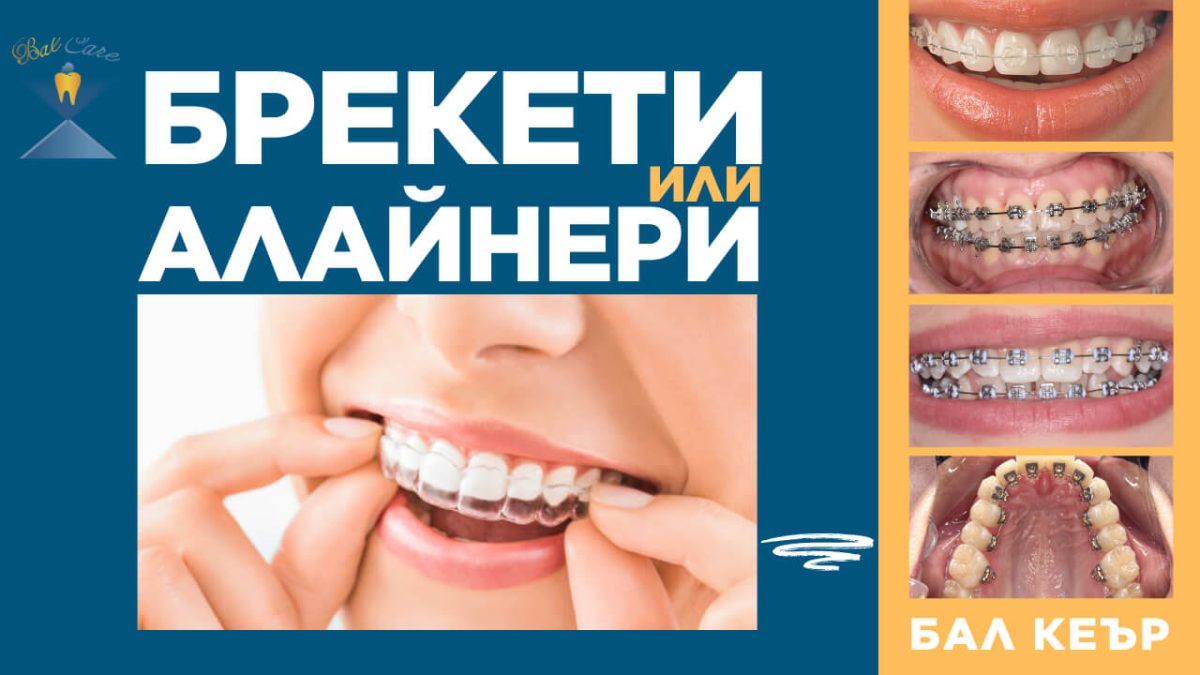
breketi-i-alaineri-za-lechenie-na-krivi-zubi-dentalna-klinika-balcare-1200x675.jpg
09/Feb/2025

Braces or Clear Aligners: Which Orthodontic Treatment Is Right for You?

If you have crooked or misaligned teeth and are considering orthodontic treatment, you may be wondering:

Which type of braces or clear aligners will provide the best result for my case?

Modern orthodontics offers several effective treatment options, but each has its own advantages, limitations, and indications.

The right choice depends not only on appearance or price, but also on:

  • the type of orthodontic problem;
  • the complexity of the required tooth movements;
  • your bite;
  • your age and growth stage;
  • lifestyle;
  • oral hygiene;
  • ability to follow treatment instructions.

In this article, we look at the most commonly used types of braces and clear aligners and explain what to consider when choosing between them.

You can also watch our video with Dr Trajko Balabanov from BalCare Dental Clinic, who discusses the different orthodontic treatment options from a clinical perspective.

Metal Braces – A Reliable Orthodontic Treatment

Traditional metal braces remain one of the most widely used and versatile orthodontic treatment methods.

They consist of brackets bonded to the teeth and an orthodontic archwire that applies controlled forces to gradually move the teeth.

Advantages of Metal Braces

  • Suitable for a wide range of orthodontic problems.
  • Can provide precise control over complex tooth movements.
  • Strong and durable.
  • Usually more affordable than aesthetic or lingual systems.
  • Do not depend on the patient remembering to wear the appliance.

Disadvantages of Metal Braces

  • Clearly visible when smiling.
  • May cause temporary discomfort or irritation, particularly after placement or adjustment.
  • Require careful oral hygiene.
  • Certain hard or sticky foods need to be avoided to reduce the risk of damaging brackets and wires.

Metal braces can be an excellent option for both teenagers and adults, particularly when precise control of tooth movement is required.

Ceramic Braces – A More Discreet Fixed Option

Ceramic braces work in a similar way to traditional metal braces, but the brackets are made from tooth-coloured or translucent material.

This makes them less noticeable.

Advantages of Ceramic Braces

  • More discreet than metal braces.
  • Suitable for many moderate and complex orthodontic cases.
  • Provide the advantages of fixed orthodontic treatment without requiring daily patient compliance with wearing time.

Disadvantages of Ceramic Braces

  • Usually more expensive than metal braces.
  • Ceramic brackets can be more brittle than metal brackets.
  • Elastomeric components around some systems may become discoloured over time.
  • Careful cleaning is essential to maintain their aesthetic appearance.

Ceramic braces are often chosen by patients who want the control of fixed orthodontic treatment with a less visible appearance.

Self-Ligating Braces – A Different Bracket Design

Self-ligating braces use brackets with an integrated mechanism that holds the orthodontic wire in place.

Traditional systems often use elastic or metal ligatures to secure the wire.

Potential Advantages

  • No elastic ligatures are required around the bracket.
  • Certain clinical procedures during appointments may be more convenient.
  • Cleaning around some self-ligating bracket designs may be easier.
  • They can be used for many different orthodontic problems.

Important to Know

Self-ligating braces are sometimes promoted as being substantially faster or more comfortable than traditional braces.

However, the bracket system alone does not determine treatment duration or treatment success.

The overall result depends much more on:

  • the diagnosis;
  • type of tooth movements required;
  • biological response;
  • orthodontic treatment plan;
  • patient cooperation.

Self-ligating braces are therefore one option among several rather than automatically a superior choice for every patient.

Lingual Braces – Braces Hidden Behind the Teeth

Lingual braces are placed on the inner surfaces of the teeth, making them far less visible from the outside.

Advantages of Lingual Braces

  • Highly discreet.
  • Provide fixed orthodontic treatment without visible brackets on the front surfaces of the teeth.
  • Can be used to manage a variety of orthodontic problems in appropriately selected patients.

Disadvantages of Lingual Braces

  • Usually more expensive than conventional braces.
  • More technically demanding to place and adjust.
  • Cleaning can be more difficult.
  • The tongue may feel irritated initially.
  • Temporary changes in speech may occur while the patient adapts.

Lingual braces may be particularly appealing to adults who want fixed orthodontic treatment with maximum discretion.

Clear Aligners – A Removable and Discreet Option

Clear aligners are a series of transparent removable trays individually designed to move the teeth step by step.

Each aligner applies controlled forces, and the trays are changed according to the treatment schedule prescribed by the orthodontist.

Advantages of Clear Aligners

  • Nearly invisible when worn.
  • Removable for eating.
  • Easier access for brushing and interdental cleaning.
  • No brackets or wires.
  • Often comfortable and convenient for everyday life.

Disadvantages of Clear Aligners

  • Require excellent patient compliance.
  • Generally need to be worn approximately 20–22 hours per day, depending on the treatment plan.
  • Must be removed when eating and when drinking anything other than water.
  • Some complex cases may require additional techniques, attachments, elastics, or alternative treatment approaches.
  • They may be more expensive than traditional metal braces.

Modern aligner therapy can treat considerably more complex cases than in the past, but it is not automatically suitable for every patient.

A detailed orthodontic assessment is essential.

Are Braces Better Than Aligners?

Neither treatment is universally “better”.

The most appropriate option depends on the individual orthodontic problem.

Braces May Be Particularly Suitable When:

  • complex tooth movements are required;
  • there is significant crowding;
  • tooth rotations are pronounced;
  • impacted teeth need to be guided into position;
  • continuous fixed control is preferable;
  • the patient may find it difficult to wear removable appliances consistently.

Clear Aligners May Be Particularly Suitable When:

  • discretion is a major priority;
  • the patient is highly motivated and compliant;
  • easier oral hygiene is important;
  • the orthodontic movements can be achieved predictably with an aligner system;
  • the patient prefers a removable appliance.

In some cases, the orthodontist may also combine different techniques to achieve the desired result.

How Do You Choose the Best Orthodontic Option?

Several factors should be considered.

1. Complexity of the Orthodontic Problem

The first step is understanding exactly what needs to be corrected.

Treatment may involve:

  • tooth alignment;
  • crowding;
  • spacing;
  • crossbite;
  • deep bite;
  • open bite;
  • tooth rotation;
  • jaw relationship;
  • impacted teeth.

Some problems can be successfully treated with either braces or aligners, while others may be more predictable with a particular technique.

2. Aesthetic Preferences

If you want the treatment to be as discreet as possible, possible options may include:

  • clear aligners;
  • ceramic braces;
  • lingual braces.

Metal braces are more visible but remain highly effective and reliable.

3. Budget

Treatment cost depends on:

  • the appliance;
  • complexity of the case;
  • expected treatment duration;
  • additional procedures that may be necessary.

Metal braces are often one of the more economical fixed options, while lingual systems and certain aligner treatments may involve higher costs.

4. Lifestyle and Patient Cooperation

Clear aligners offer considerable flexibility, but that flexibility comes with responsibility.

If aligners are removed frequently or not worn for the prescribed amount of time, treatment may not progress as planned.

Fixed braces, on the other hand, work continuously because they remain attached to the teeth.

5. Oral Hygiene

Both braces and aligners require excellent oral hygiene.

Fixed braces require additional attention because plaque can accumulate around brackets and wires.

Aligners make brushing and flossing easier because they can be removed, but teeth should be cleaned before the aligners are placed back into the mouth.

6. Treatment Duration

There is no universally fastest orthodontic appliance.

Treatment duration depends mainly on:

  • the complexity of the case;
  • biological tooth movement;
  • treatment goals;
  • patient cooperation;
  • attendance at appointments.

Choosing an appliance simply because it is advertised as “faster” is therefore not the best way to make an orthodontic decision.

Frequently Asked Questions

How Long Does Treatment with Braces or Aligners Take?

The duration varies considerably.

Treatment with fixed braces commonly lasts approximately 18–36 months, while clear-aligner treatment may range from several months for simpler cases to 12–24 months or longer for comprehensive treatment.

These are only general estimates.

An individual orthodontic examination is necessary before treatment time can be predicted more accurately.

Is Wearing Braces or Aligners Painful?

Orthodontic treatment should not normally cause significant pain.

Patients may experience:

  • pressure;
  • tenderness;
  • temporary sensitivity;
  • mild discomfort after adjustments or when changing to a new aligner.

These sensations usually decrease as the mouth adapts.

Which Option Is Best for Adults?

There is no single best orthodontic appliance for all adults.

Common choices include:

  • metal braces;
  • ceramic braces;
  • lingual braces;
  • clear aligners.

The decision should be based on the clinical problem as well as aesthetic preferences and lifestyle.

How Should I Care for My Braces?

Good oral hygiene is essential.

Patients with braces should:

  • brush carefully around brackets and wires;
  • clean between the teeth daily;
  • use interdental brushes where appropriate;
  • avoid very hard and sticky foods that can damage the appliance;
  • attend regular orthodontic and dental appointments.

Your orthodontist may recommend additional hygiene products according to your individual needs.

Do Clear Aligners Need to Be Worn All Day?

In most treatment protocols, aligners need to be worn for approximately 20–22 hours per day.

They are generally removed only for:

  • eating;
  • drinking beverages other than water;
  • brushing and flossing.

Consistent wearing time is one of the most important factors in successful aligner treatment.

Tips for More Predictable Orthodontic Treatment

You cannot safely make teeth move faster simply by applying more force.

However, you can help treatment progress according to plan by following a few important rules:

  • follow your orthodontist’s instructions carefully;
  • wear aligners or elastics for the prescribed amount of time;
  • maintain excellent oral hygiene;
  • attend scheduled appointments;
  • avoid damaging brackets or appliances;
  • contact your orthodontist if a bracket breaks or an aligner no longer fits properly;
  • wear retainers as prescribed after active treatment is completed.

Retainers Are Part of Orthodontic Treatment

Whether your teeth are corrected with braces or aligners, the result needs to be maintained after active treatment.

Retainers help stabilise the teeth in their new positions and reduce the risk of orthodontic relapse.

Depending on the individual case, the orthodontist may recommend:

  • a fixed retainer;
  • a removable retainer;
  • or a combination of both.

Long-term retention is often necessary to maintain tooth alignment.

Why a Professional Orthodontic Assessment Matters

Choosing between braces and aligners should not be based only on appearance, advertising, or treatment price.

A comprehensive orthodontic assessment may include:

  • examination of the teeth and bite;
  • assessment of facial and jaw relationships;
  • photographs;
  • digital intraoral scanning;
  • radiographic examination when necessary;
  • evaluation of oral health;
  • discussion of treatment goals.

Only after these factors have been evaluated can the orthodontist recommend the treatment method that offers the most predictable result for the individual patient.

Conclusion

Modern orthodontics offers several effective ways to correct crooked teeth and bite problems.

Metal braces, ceramic braces, self-ligating systems, lingual braces, and clear aligners all have their place in orthodontic treatment.

The most important question is not:

“Which appliance is the best?”

but rather:

“Which treatment approach is best suited to my individual orthodontic problem?”

At BalCare Dental Clinic, orthodontic treatment is individually planned according to the patient’s bite, tooth position, treatment goals, lifestyle, and clinical needs.

If you are considering braces or clear aligners, an orthodontic assessment can help you understand the available options and choose the most appropriate treatment approach.

📞 Book an orthodontic consultation at BalCare Dental Clinic: +359879882883

Watch Our Video with Dr Trajko Balabanov

You can also watch our video with Dr Trajko Balabanov from BalCare Dental Clinic, where he discusses the different types of braces and aligners and explains the factors that influence the choice of orthodontic treatment.

Smile with confidence – because the best orthodontic treatment is the one that is correctly planned for you.


profilaktichni-stomatologichni-pregledi-i-silanti-ot-Bal-Care-dentalna-klinika-ot-Sofia-balcare-1200x675.jpg
27/Sep/2024

Стоматологичните прегледи и силанизирането са ключът към оптималната защита на детскте зъби. Здравето на детските зъби е основополагащо за цялостното здраве и благополучие на децата. Освен че помагат при храненето и говоренето, здравите зъби играят ключова роля в изграждането на правилни навици за орална хигиена и предотвратяване на потенциални стоматологични проблеми в бъдеще. Ранната профилактика е особено важна, а един от най-ефективните методи за предпазване на детските зъби от кариеси е силанизирането.


20/Sep/2024

Гингивалната рецесия, позната още като отдръпване на венците, удължени зъби или открити зъбни шийки, е друг често срещан проблем в стоматологичната практика, който не само може да помрачи усмивката ви, но и да доведе до сериозни здравословни усложнения на устната кухина. В тази статия ще разгледаме какво го причинява, какви са последиците и възможностите за лечение.


parodontit-lechenie-parodontoza-dentalna-klinika-balcare-1200x675.jpg
13/Sep/2024

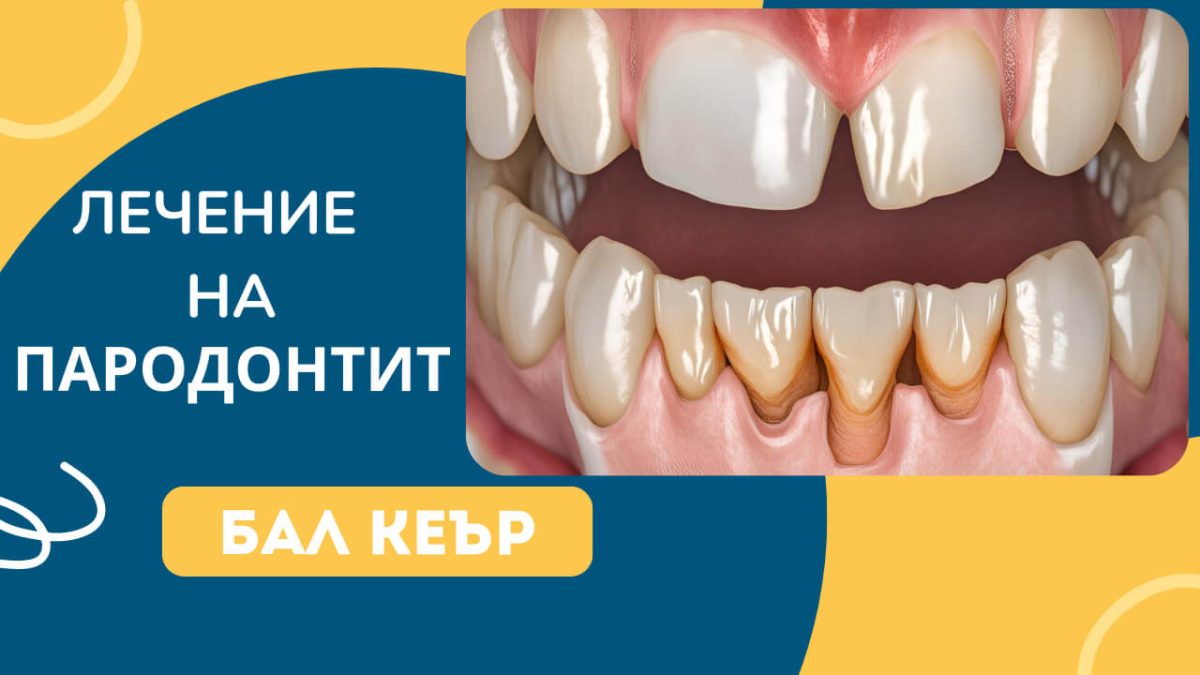
В тази статия ще обсъдим какво причинява пародонтита, кои са симптомите му, как можем да го предотвратим и как се лекува. Ще откриете, че ранната диагностика и адекватната грижа могат да спасят вашата усмивка и здравето на зъбите ви. В самия край на публикацията сме споделили видео с д-р Василена Маринова от дентална клиника Бал


payment-cards-dentalna-klinika

Copyright by BalCare2026. All rights reserved.

Call Now Button