

Myofascial Head Pain: The Hidden Cause of Tension, Headaches and Disturbed Sleep – and How Red Light Therapy May Help
Myofascial pain in the head and facial region is a functional disorder that often remains undiagnosed, despite having a significant impact on patients’ quality of life. It can present with a wide range of symptoms – from diffuse facial pain and headaches to a feeling of tension, discomfort while chewing, and disturbed sleep.
In the clinical practice of BalCare Dental Clinic, these complaints are assessed in the context of myofascial pain syndrome, in which the masticatory muscles, fascial structures, and neural regulation function under conditions of chronic tension.
Not every type of head pain has the same origin, even though different conditions may feel very similar to the patient. In clinical practice, it is essential to distinguish between muscular (myofascial) pain and joint-related pain, because this determines both the underlying cause and the appropriate treatment approach.
In myofascial pain, the primary problem lies within the masticatory muscles. The muscles remain in a state of chronic tension or spasm, often as a result of teeth clenching, bruxism, or prolonged stress-related loading.
This type of pain is usually not clearly localised. It may be experienced as deep, diffuse tension and can radiate towards the temple, ear, or teeth. It is often more pronounced in the morning, when the patient wakes with a feeling of stiffness or muscular fatigue.
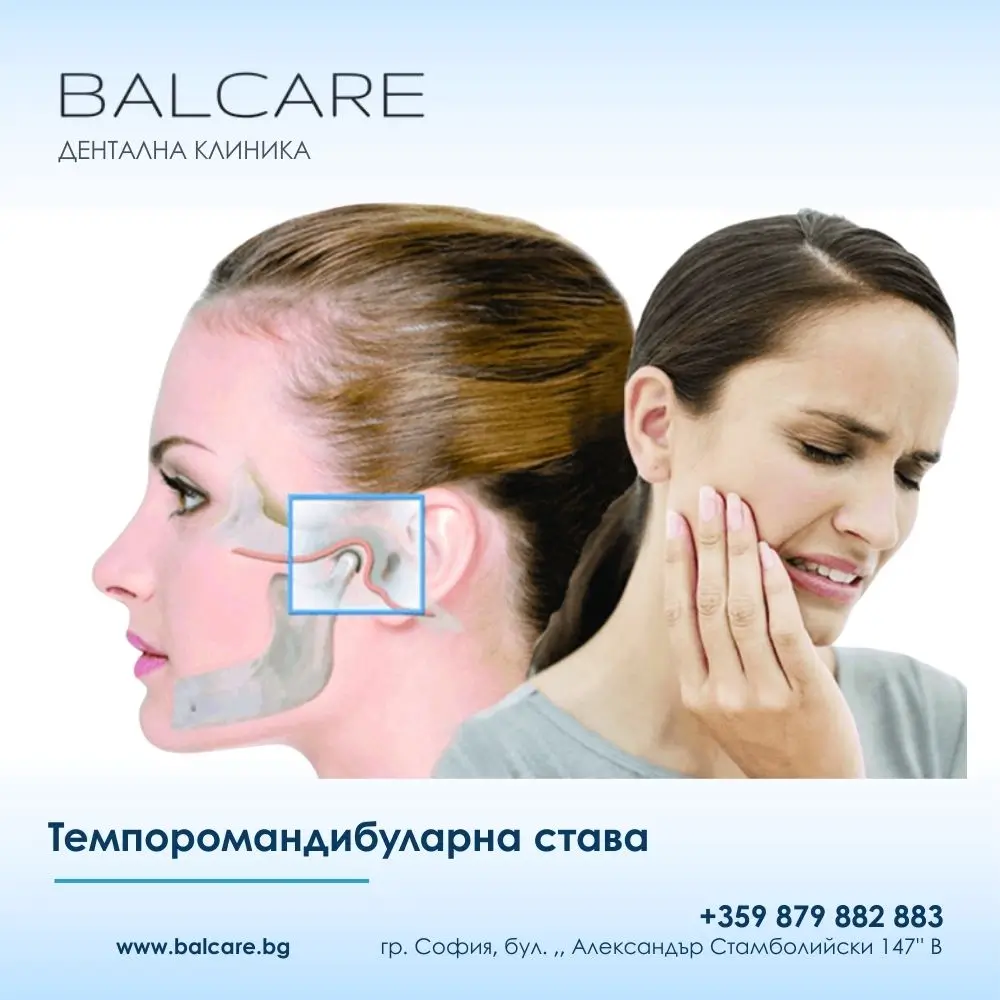
By contrast, joint disorders affect the intra-articular structures of the temporomandibular joint (TMJ).
In these cases, the pain tends to be more clearly localised in front of the ear and is usually triggered or intensified by movement, such as wide mouth opening or chewing.
It may also be accompanied by clicking, popping, or restricted movement, suggesting a mechanical problem within the joint itself.
This distinction has direct practical importance.
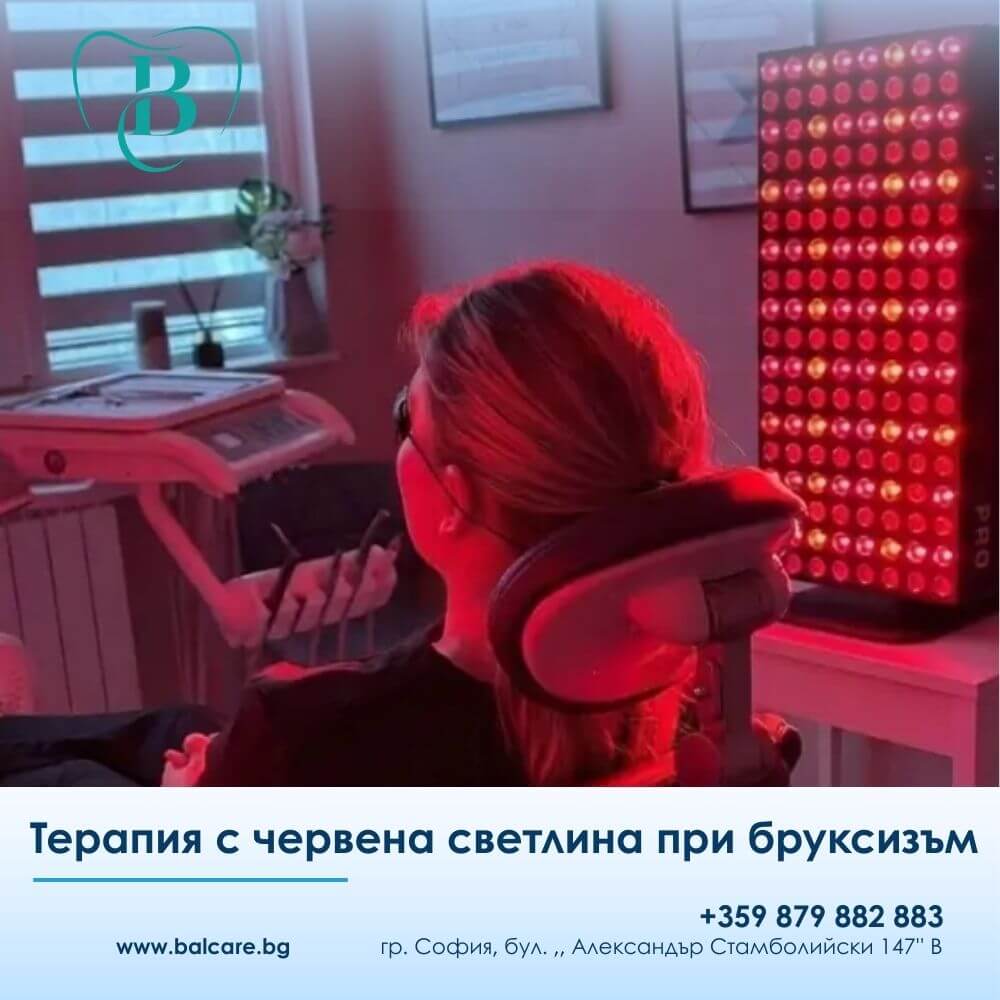
When the source of pain is muscular, the therapeutic focus is on reducing muscle tone and restoring normal function. It is in these cases that red light therapy (photobiomodulation) may be particularly beneficial, as it can support muscle relaxation, improve local circulation, and help reduce inflammatory processes.
In joint-related disorders, however, a more comprehensive approach may be required, focusing on the structures within the joint itself.
For this reason, accurate diagnosis is essential. It allows the clinician to determine not only where the pain originates, but also which therapeutic approach may be most appropriate for the individual patient.
Pathophysiology of Myofascial Pain
Myofascial pain develops as a result of prolonged muscular overload, which can lead to the formation of trigger points – localised areas of increased muscle tone and altered sensitivity.
A characteristic feature of these points is their ability to cause referred pain, meaning that pain is perceived in an area different from the actual source.
This can create diagnostic difficulties and may lead patients to consult different medical specialists without the underlying cause being identified.
Clinical Importance of the Masseter and Temporalis Muscles
The muscles most commonly involved in temporomandibular myofascial pain are the masseter and temporalis muscles, because of their central role in chewing and their tendency to become overloaded in patients with bruxism.
When trigger points are present in the masseter muscle, referred pain may be felt in the lower jaw, posterior teeth, and the area around the ear.
Patients often report increased tooth sensitivity without any objective dental findings, as well as discomfort during chewing and morning jaw stiffness.
The temporalis muscle, on the other hand, is associated with pain localised in the temple and forehead.
These symptoms are frequently interpreted as tension-type headaches without recognition of their possible muscular origin.
Trigger Points in the Masseter and Temporalis – A Common Cause of Referred Facial Pain
In clinical practice, the masseter and temporalis muscles are among the most common sources of myofascial pain in the head and facial region.
They are the primary muscles involved in closing the mouth and play an important role in clenching and bruxism.
When chronically overloaded, these muscles may develop trigger points – localised areas of increased muscle tone that can cause referred pain in different areas of the face and head.
This means that the actual source of the pain and the area where the pain is felt often do not coincide.
This mechanism helps explain why patients may report symptoms that cannot be linked to a specific structural pathology.
Masseter Muscle – Referred Pain to the Teeth, Jaw and Ear
The masseter is one of the principal muscles of mastication and is exposed to significant functional loading, particularly in patients with bruxism.
When active trigger points are present in the masseter, the following symptoms may occur:
- pain in the lower jaw;
- increased sensitivity in the posterior teeth without a dental cause;
- discomfort while chewing;
- tension and stiffness in the jaw, particularly in the morning;
- referred pain towards the ear.
These symptoms often require differential diagnosis from odontogenic and ear, nose and throat conditions.
Temporalis Muscle – Referred Pain to the Temple and Forehead
The temporalis muscle plays an active role in stabilising the lower jaw and is particularly sensitive to chronic tension.
Trigger points in this muscle may cause:
- pain in the temple region;
- pain spreading towards the forehead;
- a sensation of diffuse tension in the upper part of the face;
- headache characterised by prolonged pressure.
This type of pain is often interpreted as a tension-type headache without consideration of its muscular origin.
| Symptom | Location of Pain | Likely Muscular Source | Clinical Characteristics |
|---|---|---|---|
| Pain in the posterior teeth without objective findings | Lower jaw | Masseter | Intensifies during clenching or chewing |
| Morning stiffness and tension | Jaw, cheeks | Masseter | Associated with nocturnal bruxism |
| Pain around the ear | Periauricular area | Masseter / pterygoid muscles | Without evidence of ear pathology |
| Headache with diffuse pressure | Temple, forehead | Temporalis muscle | Persistent, often bilateral |
| Pain during wide mouth opening | Temporomandibular joint region | Lateral pterygoid | Intensifies with movement |
| Combined neck and facial pain | Back of the head, jaw | SCM / trapezius | Associated with posture and muscular imbalance |
The Relationship Between Myofascial Pain and Sleep
Chronic muscle tension may directly affect sleep quality.
Increased muscle tone and persistent pain can disturb normal sleep architecture, including through frequent micro-awakenings and a reduction in the deeper stages of sleep.
Patients often report:
- non-restorative sleep;
- morning fatigue;
- headache on waking;
- a feeling of tension in the jaw.
Scientific analyses have reported statistically significant reductions in sleep quality among patients with temporomandibular myofascial pain.
The Role of Bruxism and Stress
Myofascial pain is often associated with bruxism – involuntary clenching or grinding of the teeth, frequently occurring during sleep.
This process increases muscular loading and can contribute to the persistence of chronic pain.
Stress also plays an important role as an aggravating factor because it can increase muscle tone and activate neuromuscular mechanisms that make relaxation more difficult, even at rest.
Red Light Therapy (Photobiomodulation)
Photobiomodulation is a non-invasive therapeutic method that uses light of a specific wavelength to influence cellular processes.
Its proposed mechanisms of action include:
- stimulation of mitochondrial activity;
- increased ATP production;
- improvement of local microcirculation;
- reduction of inflammatory mediators.
As a result, pain may be reduced and muscular function may improve.
Clinical Approach at BalCare Dental Clinic
At BalCare Dental Clinic, red light therapy is used as part of a structured gnathological approach that includes functional diagnostics, assessment of muscle balance, and an individualised treatment plan.
In acute conditions, therapy is directed towards reducing pain and muscle spasm.
In chronic cases, the aim is to restore muscular function and stabilise the condition.
It is important to emphasise that photobiomodulation is not used as an isolated procedure, but as part of a comprehensive treatment approach that may include other therapeutic methods depending on the individual case.
Additional information about red light therapy:
https://balcare.bg/red-light-therapy/
Myofascial pain in the head and facial region is a complex condition that affects not only the local musculature but also sleep quality, neural regulation, and the patient’s everyday comfort.
Recognition of trigger points and accurate differential diagnosis are essential for effective treatment.
Modern therapeutic methods, including photobiomodulation, offer the possibility of targeting key pain mechanisms when applied according to an appropriate protocol and as part of a comprehensive treatment strategy.
Bibliography
https://pmc.ncbi.nlm.nih.gov/articles/PMC8291152/
Systematic review and meta-analysis on the effectiveness of photobiomodulation for myofascial pain associated with temporomandibular disorders.
https://pubmed.ncbi.nlm.nih.gov/29697718/
Systematic review of low-level light therapy for temporomandibular myofascial pain and its relationship with symptoms.
https://link.springer.com/article/10.1186/s12903-023-02784-8
Randomised clinical trial comparing the effects of LED and laser therapy in patients with temporomandibular disorders.
https://pmc.ncbi.nlm.nih.gov/articles/PMC7356229/
Review article on the cellular mechanisms of photobiomodulation.