BalCare — чат


Dental Blog

Read our dental blog to learn more about your oral health, get tips on dental care, and discover helpful articles about your smile. We take pride in creating a friendly, positive dental environment where you can always feel comfortable under our care and guidance.

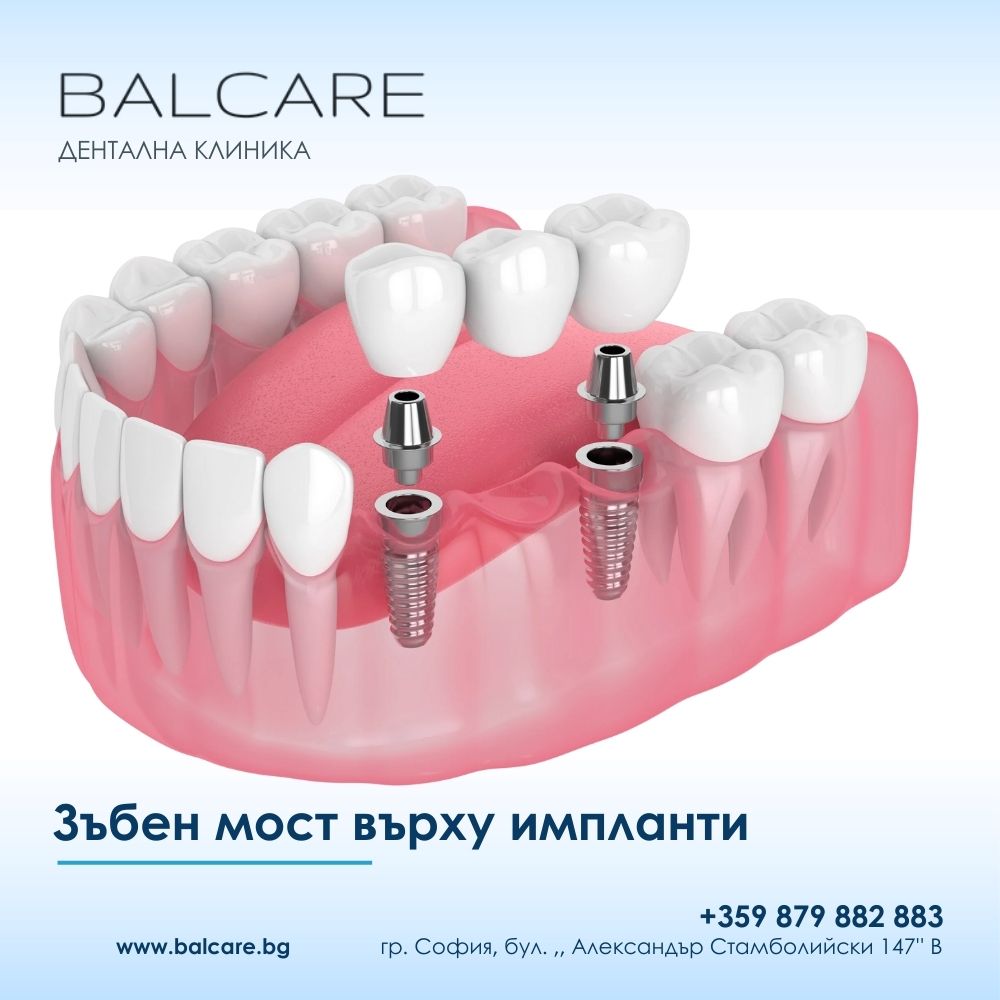
zyben-most-vyrhu-implanti-dentalna-klinika-balcare.jpg
07/Dec/2025

Implant-Supported Dental Bridge

Losing two or more adjacent teeth often leads to problems with chewing, aesthetics, speech, and self-confidence.

Modern implant dentistry offers a solution that is significantly closer to natural teeth than conventional bridges or removable dentures – the implant-supported dental bridge.

This treatment restores not only the missing teeth but also the biological balance of the jawbone and gums, providing stability, durability, and long-term function.

What Is an Implant-Supported Dental Bridge?

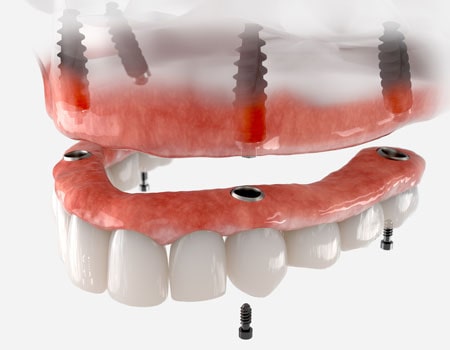
An implant-supported bridge is a fixed prosthetic restoration that replaces missing teeth by using dental implants as support.

Unlike conventional bridges, where healthy neighbouring teeth need to be prepared, an implant-supported bridge is an independent system supported entirely by dental implants.

In other words, the bridge replaces missing teeth without relying on reduced natural teeth for support.

Depending on the clinical situation, two implants may support three or four connected crowns in one stable restoration.

This makes the treatment:

  • minimally invasive to neighbouring teeth;
  • highly durable;
  • biologically favourable;
  • aesthetically precise.

What Are the Stages of Implant-Supported Bridge Treatment?

The placement of an implant-supported bridge involves several carefully planned stages designed to ensure high predictability and stability.

1. Initial Diagnostics and 3D Imaging

The first stage includes a 3D radiographic scan and a detailed assessment of the available bone.

The following are evaluated:

  • available bone volume;
  • spaces between the teeth;
  • the position of the maxillary sinuses and nerves;
  • the optimal positions for implant placement.

Treatment planning may also include the use of surgical guides to achieve maximum precision.

2. Implant Placement

The implants are placed under local anaesthesia and function as artificial tooth roots.

3. Osseointegration – Integration with the Bone

The healing and osseointegration period usually takes approximately 1–3 months when bone conditions are favourable.

If bone regeneration is required, the healing period may be longer.

4. Temporary Fixed Restoration, When Indicated

With immediate-loading protocols, the patient may receive a temporary fixed bridge within 24 hours.

5. Digital Impression

Once the implants have stabilised, a highly accurate digital impression is taken.

6. Fabrication and Placement of the Final Bridge

The final bridge may be made from:

  • zirconia;
  • ceramic;
  • porcelain-fused-to-metal.

The restoration may be fixed using either screw retention or cementation, depending on the individual clinical situation.

Who Is an Implant-Supported Bridge Suitable For?

An implant-supported bridge may be appropriate:

✔ when two or more adjacent teeth are missing;
✔ when the patient wants to avoid preparation of healthy neighbouring teeth;
✔ in areas affected by bone loss where implants can provide stable support;
✔ when a more economical solution is preferred over replacing every missing tooth with a separate implant;
✔ when a larger missing-tooth area within one section of the jaw needs to be restored.

For patients with a completely edentulous jaw, full-arch treatment options may include:

  • All-on-4;
  • All-on-6.

Benefits of an Implant-Supported Bridge

1. Fixed Restoration and Excellent Stability

Dental implants stimulate the surrounding bone and provide highly stable support similar to natural tooth roots.

2. Long-Term Solution

Dental implants can function for decades, while the bridge is designed to withstand functional chewing forces.

3. Preservation of Healthy Teeth

Neighbouring teeth do not need to be reduced.

This is one of the major biological advantages compared with conventional dental bridges.

4. Protection Against Bone Loss

Implants provide functional stimulation to the bone and help reduce bone resorption in the area of missing teeth.

5. High-Level Aesthetics

Zirconia bridges can provide:

  • a natural appearance;
  • appropriate translucency;
  • high strength;
  • individually designed shape and colour.

Implant-Supported Bridge vs Conventional Dental Bridge

Factor Implant-Supported Bridge Conventional Dental Bridge
Support Dental implants Prepared natural teeth
Healthy neighbouring teeth No preparation required Preparation required
Risk of decay in supporting teeth No natural supporting teeth involved Risk of caries in the supporting teeth
Bone resorption Helps preserve bone Bone resorption continues in the missing-tooth area
Longevity 15–20+ years 7–10 years
Aesthetics Excellent Good
Cost Moderate Moderate to lower

Clinical Benefits of Implant-Supported Bridges

An implant-supported bridge is one of the few treatments that can restore function, aesthetics, and biological stability at the same time.

Preservation of Bone and Natural Facial Contours

After a tooth is lost, the bone in that area begins to resorb.

Dental implants restore some of the functional stimulation that natural tooth roots normally transfer to the surrounding bone.

This helps reduce:

  • loss of bone volume;
  • changes in gum contour;
  • alteration of facial structure.

Maintaining bone volume may also reduce the need for more extensive bone augmentation procedures in the future.

Neighbouring Teeth Remain Intact

Conventional bridges usually require healthy teeth to be prepared in order to support the restoration.

This removes natural tooth structure and may increase the future risk of caries, fracture, or additional treatment.

Implant-supported bridges do not rely on neighbouring natural teeth.

The adjacent teeth remain untouched, which is one of the greatest biological advantages of this treatment.

Stability and High Survival Rates

Implant-supported bridges have demonstrated survival rates of more than 94% over a five-year period, and in many cases they continue to function successfully for 15–20 years or longer.

Their durability is supported by:

  • stable implant anchorage;
  • appropriate distribution of chewing forces;
  • modern high-quality restorative materials.

Natural Aesthetics and Comfort

Zirconia bridges provide excellent strength while allowing a highly natural appearance.

The bridge can be carefully adapted to the surrounding gums and teeth to achieve a harmonious smile and stable function during speech and chewing.

Significant Improvement in Function

Patients can usually return to normal eating without the movement or instability associated with removable dentures.

Stable implant support allows more efficient chewing and improves everyday comfort.

Long-Term Financial Advantage

Although implant-supported treatment may initially appear more expensive, it may prove more economical over the long term.

An implant-supported bridge:

  • usually does not require replacement as frequently;
  • does not damage adjacent healthy teeth;
  • helps preserve the bone;
  • may reduce the need for repeated repairs or additional treatment.

Implant-Supported Bridge or Individual Implants – Which Is More Appropriate?

The choice depends primarily on the number and location of the missing teeth.

If only one tooth is missing, an individual dental implant is generally the preferred solution.

When two or more neighbouring teeth are missing, an implant-supported bridge may provide a more economical, stable, and predictable option.

Cost of an Implant-Supported Bridge at BalCare Dental Clinic

The cost depends on several clinical factors:

  • the number of missing teeth;
  • the number of implants required;
  • the implant system used;
  • whether bone regeneration is necessary;
  • the material selected for the final bridge.

A simplified formula for estimating the treatment cost is:

Cost = (number of implants + surgical treatment) + cost of the crowns within the bridge

At BalCare Dental Clinic, the final cost is determined after a clinical examination, diagnostic analysis, and preparation of an individual treatment plan.

Frequently Asked Questions

What Is an Implant-Supported Bridge and When Is It Most Appropriate?

An implant-supported bridge is a fixed restoration that replaces missing teeth using dental implants for support rather than prepared natural teeth.

It is particularly suitable when several neighbouring teeth are missing in one area or when the patient prefers a stable but more economical alternative to placing a separate implant for every missing tooth.

Its main advantages are that healthy neighbouring teeth are preserved and bone loss in the missing-tooth area can be reduced.

How Many Implants Are Needed for One Bridge?

The number of implants is not fixed.

It depends on:

  • the quality and volume of the bone;
  • the location within the mouth;
  • the number of teeth being replaced;
  • chewing forces in the area.

In many situations, two implants may support a three- or four-unit bridge.

Larger missing-tooth areas may require additional implants to ensure long-term stability.

In smaller defects, the treatment approach is determined after careful clinical and digital planning.

Is the Procedure Painful?

Implant placement is performed under local anaesthesia, so the surgical procedure itself should not be painful.

Mild discomfort, pressure, or swelling may occur during the first few days after treatment, similar to the recovery following a tooth extraction.

This is generally expected and gradually subsides.

Many patients report that the procedure was considerably easier than they had anticipated.

How Long Does It Take to Complete an Implant-Supported Bridge?

The treatment time varies primarily according to how quickly the implants integrate with the bone.

When bone quality and volume are favourable, treatment may be completed within approximately 1–2 months.

If significant bone loss is present or bone regeneration is required, the treatment period becomes longer.

With immediate-loading protocols, however, a patient may receive a temporary fixed restoration within the first 24 hours, allowing greater comfort throughout the healing process.

Which Material Is Best for the Bridge?

The choice depends on the location of the restoration and the functional demands placed on it.

Zirconia offers high strength, durability, and excellent aesthetics and can be suitable for a wide range of cases.

Ceramic materials may be selected in highly aesthetic anterior areas, while porcelain-fused-to-metal restorations remain a more affordable option for certain larger bridges.

In our clinical practice, zirconia is frequently recommended because of its durability, biocompatibility, and aesthetic potential.

Can an Implant-Supported Bridge Look Natural?

Yes.

Modern CAD/CAM technology, zirconia, digital photography, and 3D scanning allow the bridge to be individually designed according to:

  • shape;
  • colour;
  • translucency;
  • the surrounding teeth and gums.

At BalCare Dental Clinic, digital technologies and modern laboratory techniques are used to achieve the most natural result possible.

How Long Does an Implant-Supported Bridge Last?

With excellent oral hygiene and regular preventive examinations, an implant-supported bridge may function for 15–20 years or longer.

The implants themselves can also remain stable for many years.

The most important factors for long-term success are:

  • good daily oral hygiene;
  • regular professional maintenance;
  • appropriate bite control;
  • routine follow-up appointments.

How Is an Implant-Supported Bridge Cleaned?

Maintenance is similar to caring for natural teeth but requires special attention beneath the bridge.

Recommended oral hygiene includes:

  • brushing twice daily;
  • interdental cleaning;
  • special floss designed for bridges;
  • oral irrigators when appropriate;
  • regular professional cleaning at the dental clinic.

Cleaning beneath the bridge is particularly important to prevent plaque accumulation around the implants.

Can an Implant-Supported Bridge Be Used for a Completely Edentulous Jaw?

Yes.

For patients who have lost all of their teeth, fixed full-arch bridges may be supported using systems such as:

  • All-on-4;
  • All-on-6;
  • Fast & Fixed.

These approaches allow an entire dental arch to be restored with a fixed prosthesis supported by a limited number of implants.

In selected cases, the patient may receive a fixed temporary restoration on the same day.

How Much Does an Implant-Supported Bridge Cost, and Why Is There No Standard Price?

The cost depends on many individual clinical factors, including:

  • how many teeth are missing;
  • how many implants are required;
  • the restorative material;
  • the amount of available bone;
  • the implant system selected;
  • whether additional procedures such as sinus lift or bone augmentation are necessary.

For this reason, an exact price can only be determined after a clinical examination and CBCT analysis.

At BalCare Dental Clinic, each patient receives an individual treatment plan designed to provide clarity, transparency, and predictability regarding the treatment stages and costs.

An implant-supported bridge is one of the most successful and durable options for replacing several missing teeth.

It combines biological stability, high-level aesthetics, and excellent chewing comfort.

At BalCare Dental Clinic, we use modern implant systems, precise digital diagnostics, and an individual treatment approach to provide comfortable and predictable long-term results.
sinus-lift-dentalna-klinika-balcare.jpg
28/Nov/2025

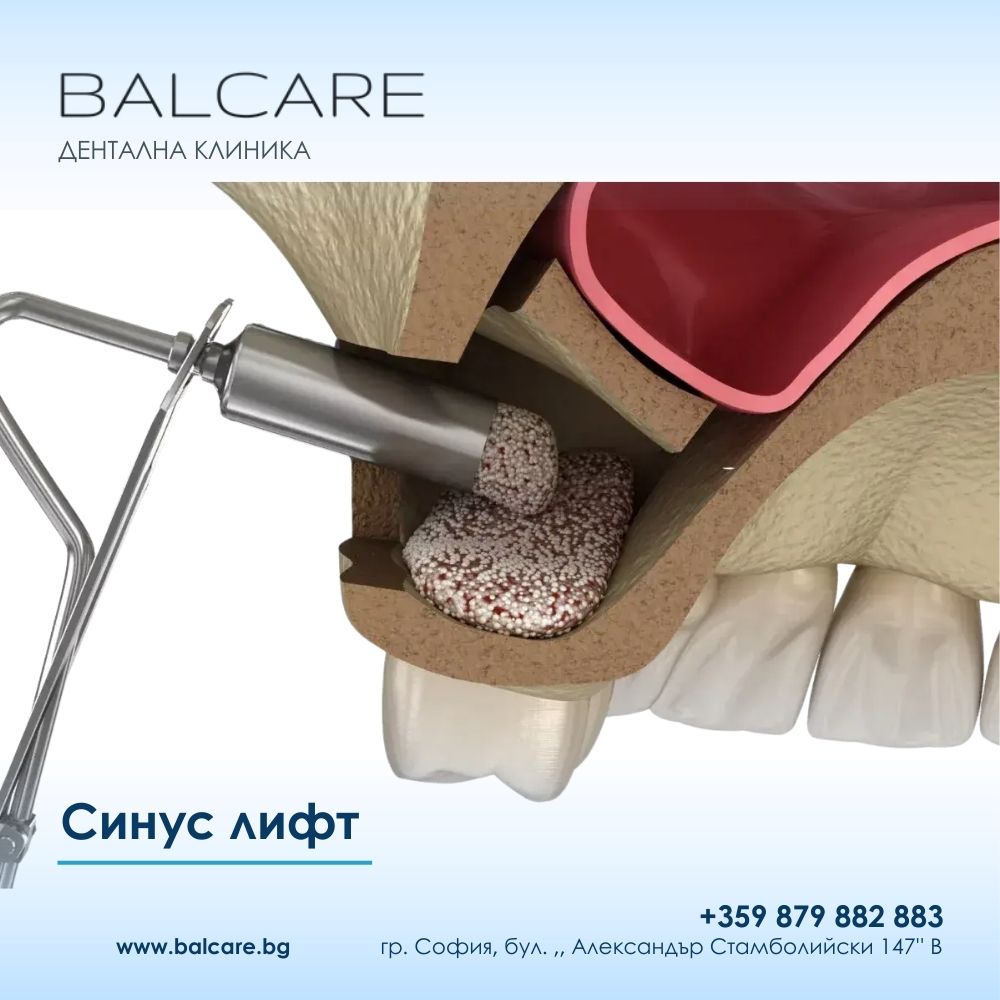
A sinus lift is a gentle but important surgical procedure that makes it possible to place dental implants in the posterior areas of the upper jaw even when the bone has already significantly resorbed or the maxillary sinus is positioned too close to the jawbone.

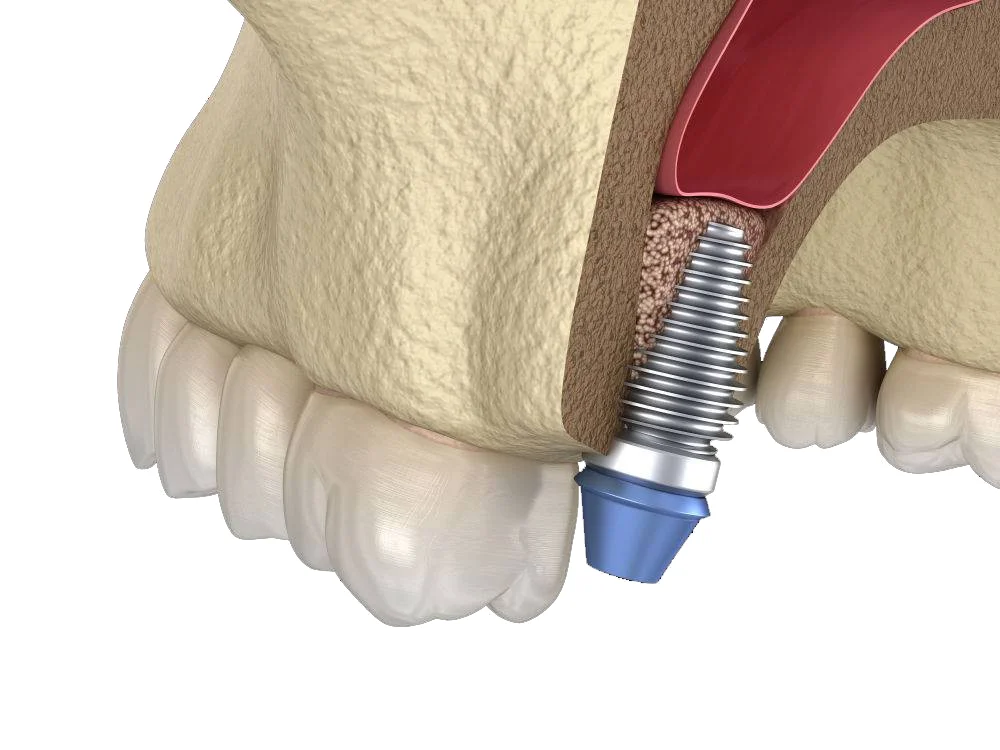
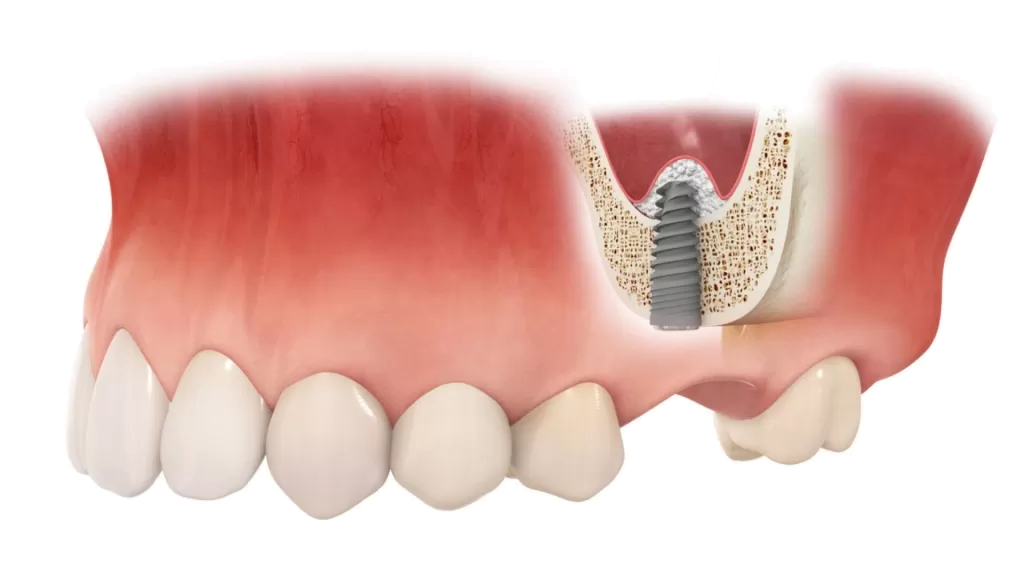
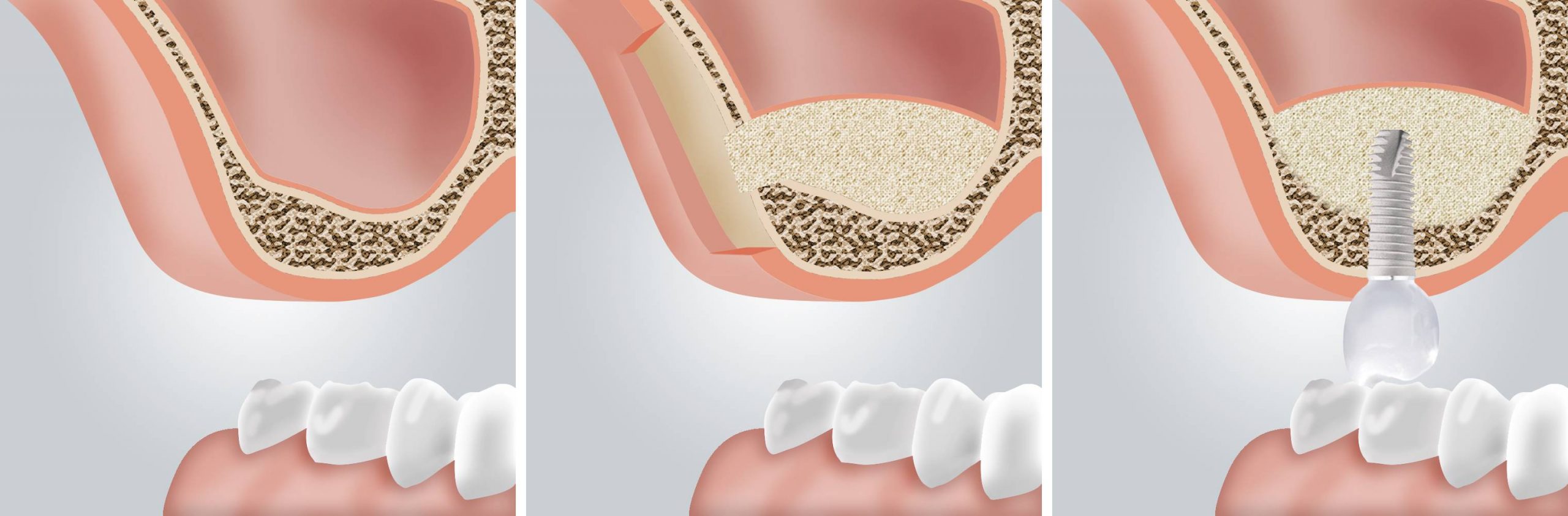
By elevating the floor of the maxillary sinus and placing a bone graft, a stable bone foundation is created for reliable implant placement.

At BalCare Dental Clinic, sinus lift procedures are planned using 3D diagnostics, performed under local anaesthesia, and followed by careful postoperative monitoring.

The procedure is part of modern implant dentistry and is used when a patient wants fixed teeth but does not have sufficient bone in the posterior part of the upper jaw.

What Is a Sinus Lift?

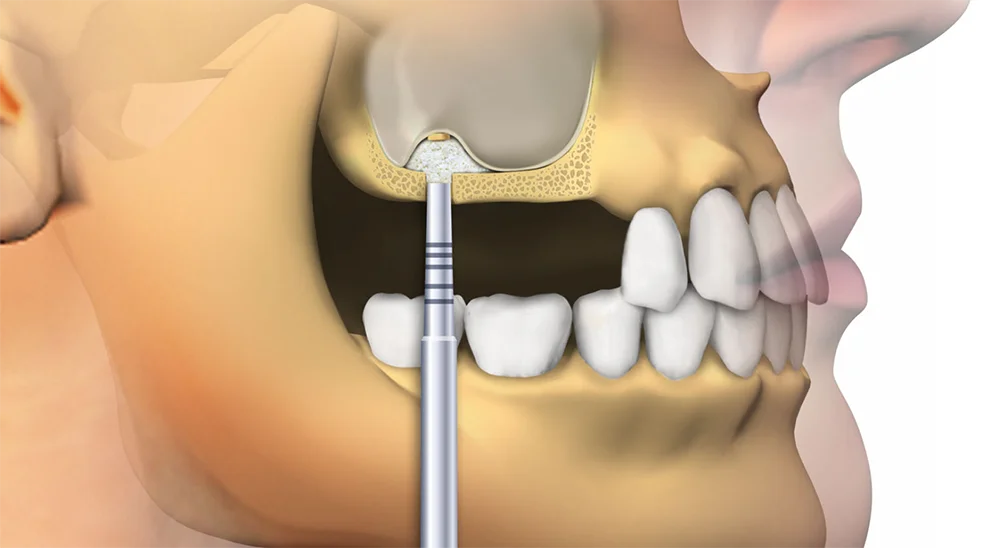
A sinus lift is a surgical procedure that elevates the floor of the maxillary sinus and increases the amount of bone in the posterior region of the upper jaw.

The aim is to create sufficient bone volume for stable dental implant placement.

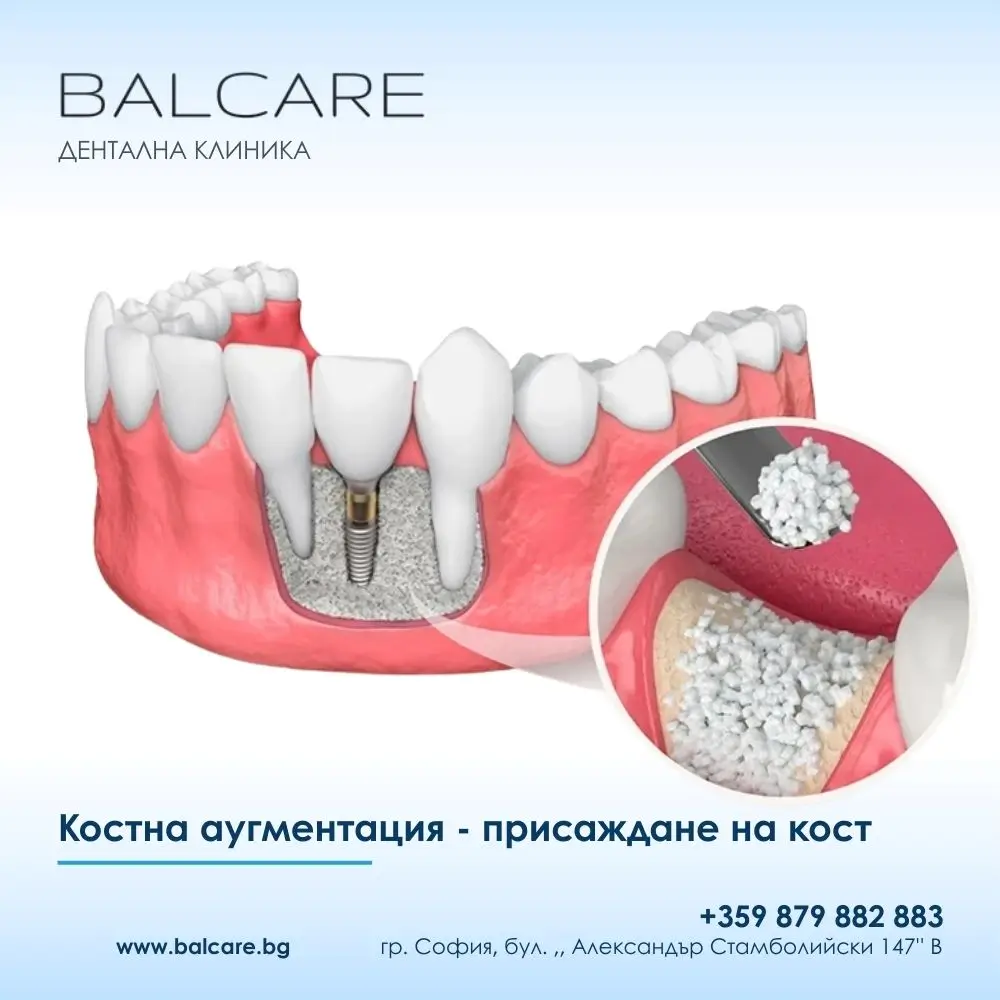
The procedure belongs to the group of bone augmentation procedures – interventions in which the existing bone volume is increased by adding bone grafting material.

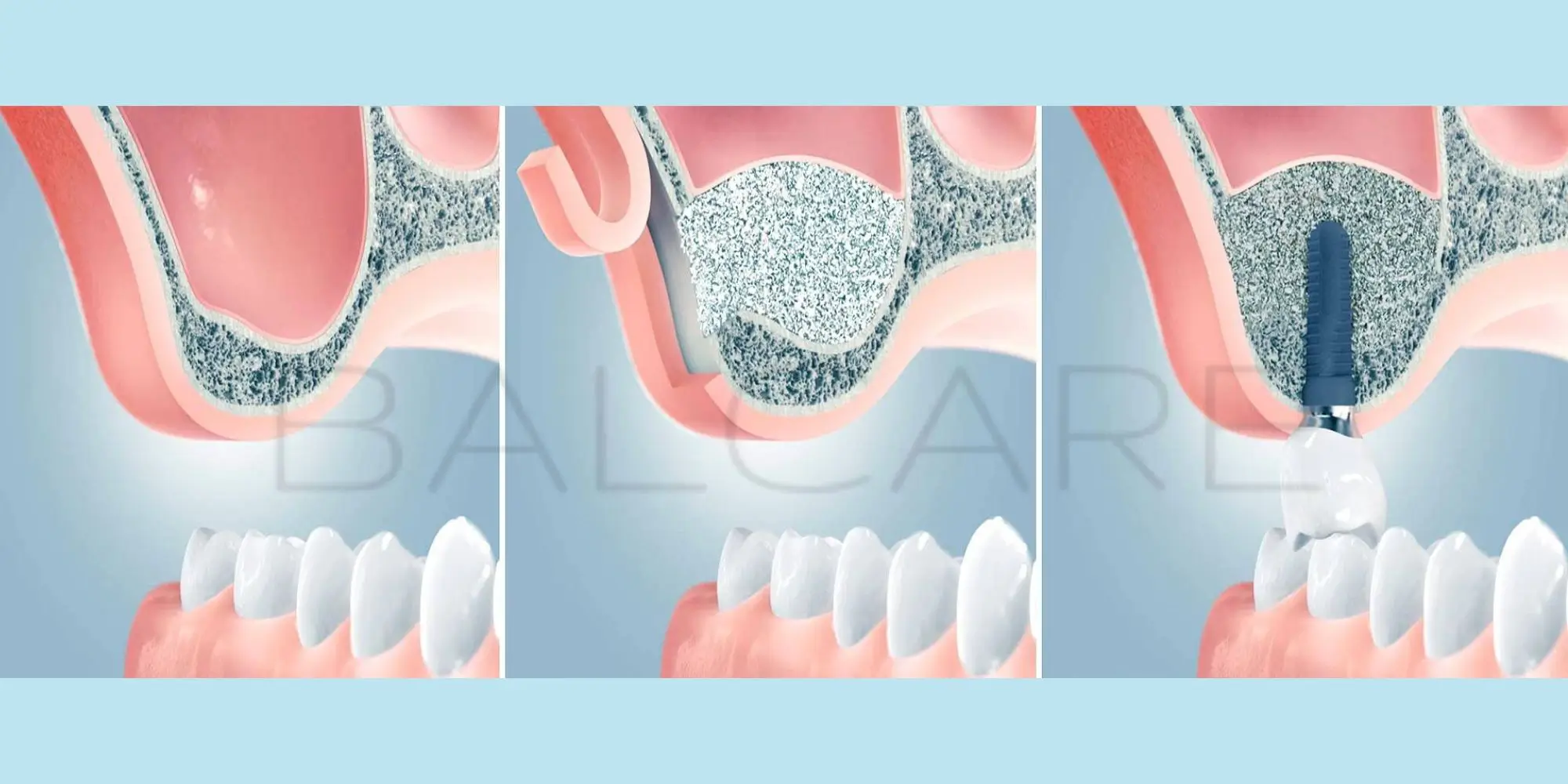
Technically, a sinus lift involves carefully separating and elevating the sinus membrane and filling the newly created space with bone or a bone substitute material.

This procedure is performed only in the upper jaw, in the premolar and molar regions.

The reason is that the maxillary sinuses are located very close to the roots of the upper posterior teeth and the surrounding jawbone.

When Is a Sinus Lift Necessary?

A sinus lift is performed when there is insufficient bone in the posterior part of the upper jaw and this prevents stable implant placement.

It is directly related to implant treatment and is often the first stage before the dental implants themselves are placed.

The most common situations in which a sinus lift may be required include:

  • one or more upper molars have been missing for a long period of time;
  • significant bone resorption following tooth extraction;
  • periodontitis that has resulted in bone loss;
  • bone conditions such as osteoporosis;
  • previous surgical procedures, cysts, or trauma in the area.

When diagnostic imaging shows that there is too little bone between the oral cavity and the sinus, placing an implant without a sinus lift may be unstable or impossible.

In such cases, a sinus lift can restore the necessary bone volume and make implant treatment possible.

Why Is Bone Lost in the Upper Jaw?

After a tooth is extracted, the bone surrounding its root gradually begins to resorb.

The body no longer receives the same functional stimulation from the tooth root, and the volume of the bone gradually decreases.

In the upper jaw, another process also plays an important role – sinus pneumatisation.

Over time, the maxillary sinus cavity may expand downwards and occupy part of the area previously filled by bone, particularly when teeth have been missing for a long time.

The combination of:

  • long-term absence of molars;
  • natural expansion of the sinus;
  • possible conditions such as periodontitis or osteoporosis;

may lead to significant thinning of the bone.

As a result, only a minimal layer of bone may remain between the oral cavity and the sinus, leaving insufficient space for stable implant placement.

Types of Sinus Lift

The type of sinus lift is determined by how the sinus is accessed and how much elevation is required.

Two main techniques are commonly used:

  • lateral or open sinus lift;
  • crestal or closed sinus lift.

Both have the same goal – to increase the available bone beneath the sinus – but they are used in different clinical situations.

Lateral (Open) Sinus Lift

A lateral sinus lift is used when greater elevation is required and when the remaining bone is significantly reduced.

It is also suitable when several implants need to be placed in the same area.

During the procedure:

  • a small incision is made in the gum on the cheek side;
  • the soft tissues are carefully reflected to expose the lateral wall of the sinus;
  • a small “bone window” is created in the lateral sinus wall;
  • the sinus membrane is carefully separated and elevated without tearing it;
  • bone graft material – autogenous bone and/or a bone substitute – is placed in the newly created space;
  • a resorbable barrier membrane may be placed over the grafted area for protection;
  • the surgical site is closed and sutured.

If sufficient native bone is available to provide primary implant stability, the implant may be placed during the same surgical procedure.

When the remaining bone is insufficient, healing is usually allowed for approximately 6–8 months before implant placement so that the graft can integrate.

Crestal (Closed) Sinus Lift

A crestal sinus lift is a less invasive technique used when only a small amount of sinus elevation is required and the patient has sufficient residual bone – usually more than approximately 6 mm.

With this method:

  • the opening in the bone is prepared at the planned implant site;
  • specialised drills and instruments are used to approach the sinus membrane;
  • the membrane is carefully elevated using osteotomes, a balloon technique, or piezosurgical instruments;
  • bone graft material is placed into the created space;
  • the osteotomy is calibrated and the implant is usually placed immediately during the same appointment.

The crestal sinus lift can shorten the overall treatment time because a separate surgical stage for implant placement is usually not required.

It is not suitable when the residual bone is very thin or when significant sinus elevation is required.

Sinus Lift Cost

🦷 СИНУС ЛИФТ Sinus Lift
Латерален синус лифт1990 €
Крестален синус лифт490 €

How Is Sinus Lift Surgery Performed at BalCare?

At BalCare Dental Clinic, sinus lift surgery is planned and performed according to a strict clinical protocol.

This helps provide safety, predictable results, and maximum patient comfort.

Preparation for a Sinus Lift

Before surgery, the following are performed:

  • clinical examination and assessment of the gums and residual bone;
  • dental radiography;
  • 3D cone beam computed tomography (CBCT) to measure the height and width of the remaining bone and analyse the anatomy of the sinus.

All necessary examinations can be carried out at BalCare.

The clinician then determines whether a lateral or crestal sinus lift is more appropriate and plans the number and position of the implants.

Surgical Stage

The procedure is performed under local anaesthesia.

The patient should not experience pain, although pressure or mild vibrations may be felt.

The main steps include:

  1. Local anaesthesia is administered and full numbness is confirmed.
  2. A small incision is made in the gum to access the bone.
  3. A lateral window is created or, in a crestal approach, the implant osteotomy is prepared.
  4. The sinus membrane is carefully separated and elevated.
  5. Bone graft material is placed and, when indicated, covered with a membrane.
  6. The gum is repositioned and closed with fine sutures.

The entire procedure usually takes approximately 45 to 90 minutes, depending on the complexity of the case and whether one or both sinuses are being treated.

Implant Placement

After a sinus lift, there are two possible approaches:

  • Implant placement during the same surgery – typically with a crestal sinus lift or when sufficient residual bone is available.
  • Delayed implant placement – more commonly after a lateral sinus lift when the residual bone is significantly reduced. The implants are placed several months later, once the regenerated bone is sufficiently mature and stable.

At BalCare, the decision is made individually based on the diagnostic findings, the patient’s general health, and the desired treatment timeline.

What Materials Are Used for a Sinus Lift?

Specialised bone grafting materials are used during a sinus lift. These materials are biocompatible and help support new bone formation.

They may include:

  • Autogenous bone graft – bone taken from another area of the patient’s jaw. It has excellent biological compatibility and strong bone-forming potential.
  • Xenograft – purified bone substitute material of animal origin that acts as a scaffold on which the patient’s own bone can grow.
  • Allograft – processed human donor bone used in selected cases.
  • Synthetic bone substitutes – calcium-based materials that gradually integrate with the surrounding tissues.

A combination of the patient’s own bone and a bone substitute may be used to optimise the result.

A resorbable membrane may then be placed over the graft to protect it and support proper healing.

What Should I Expect After Surgery and How Long Does Recovery Take?

After a sinus lift, it is normal to experience:

  • mild swelling of the cheek in the surgical area;
  • mild to moderate discomfort that can usually be controlled with pain medication;
  • minimal bleeding from the mouth and occasionally from the nose;
  • a feeling of pressure or heaviness in the sinus area.

Discomfort generally lasts for approximately 2–3 days and gradually decreases.

Many patients find the recovery easier than they expected.

Recommendations after surgery may include:

  • apply a cold compress to the cheek – approximately 15 minutes on, followed by 15 minutes off;
  • do not rinse the mouth vigorously during the first 24 hours;
  • do not brush directly over the surgical site until your dentist advises you to do so;
  • avoid dairy products during the first 1–2 days if specifically recommended by your clinician;
  • eat soft foods that are not excessively hot;
  • do not smoke;
  • do not blow your nose for at least one week and avoid forceful sneezing;
  • sleep with your head slightly elevated and, if possible, on the side opposite the surgical area.

Complete formation and stabilisation of the new bone generally takes approximately 4 to 10 months, depending on the grafting material, the patient’s age, and general health.

After this period, the regenerated bone can provide stable long-term support for dental implants.

What Are the Risks and Possible Complications?

A sinus lift is a well-established surgical procedure, but like any operation, it carries potential risks.

When performed by an experienced surgeon following appropriate diagnostic planning, these risks can be minimised.

Possible complications include:

  • Perforation of the sinus membrane during surgery. Small perforations may be covered with a membrane and often do not compromise the final result. Larger tears may require part of the procedure to be postponed.
  • Infection and inflammation affecting the sinus or bone graft. Appropriate surgical protocols, postoperative care, and good oral hygiene help reduce this risk.
  • Prolonged bleeding or swelling, which is less common but may occur in patients with certain medical conditions.
  • Partial loss or failure of the bone graft, particularly in smokers or when postoperative instructions are not followed.

At BalCare, particular attention is paid to detailed diagnostics, surgical sterility, and careful postoperative monitoring in order to minimise the risk of complications.

When Is a Sinus Lift Not Recommended?

Certain conditions may require sinus lift surgery to be postponed or may represent contraindications to treatment.

For this reason, it is important to provide your dentist with complete information about your medical history.

Potential contraindications include:

  • chronic untreated sinusitis;
  • polyps, cysts, or other lesions within the sinus;
  • severe systemic diseases in an active phase;
  • uncontrolled diabetes;
  • blood-clotting disorders;
  • active oral infections and untreated periodontitis.

When such conditions are present, the relevant ENT or dental treatment should be completed first.

A sinus lift can then be reconsidered once the patient’s general and oral health have been stabilised.

Frequently Asked Questions About Sinus Lift Surgery

Is a Sinus Lift Painful?

During the procedure – no, because it is performed under local anaesthesia.

You may feel pressure or vibrations, but you should not experience sharp pain.

After surgery, mild to moderate discomfort may occur and can usually be controlled effectively with pain-relieving medication.

Many patients describe the discomfort as similar to, or even milder than, that experienced after a tooth extraction.

Is Sinus Lift Surgery Dangerous?

Sinus lift surgery is a well-studied and widely used procedure in implant dentistry.

When properly planned and performed by an experienced surgeon, the risk of serious complications is low.

It is important to follow all of your clinician’s instructions, both before surgery and during the postoperative period.

This helps reduce the risk of complications and supports a successful final result.

How Long After a Sinus Lift Can a Dental Implant Be Placed?

With a crestal or closed sinus lift, the implant is usually placed immediately during the same appointment.

After a lateral sinus lift, implants are commonly placed after approximately 4–8 months, once the newly formed bone has stabilised.

The exact timing is determined individually based on the grafting material, the volume of augmentation, and the patient’s healing response.

Can I Avoid a Sinus Lift and Choose a Denture Instead?

Alternative treatment options such as removable dentures or bridges are available.

However, they do not provide the same type of fixed support as implant treatment and do not prevent bone loss in the same way.

A sinus lift combined with dental implants can help restore chewing function and preserve the available bone over the long term.

Why Choose BalCare Dental Clinic for a Sinus Lift?

Sinus lift surgery requires a combination of surgical experience, modern technology, and precise treatment planning.

At BalCare Dental Clinic, patients receive a comprehensive approach – from diagnostics and planning to implant placement and the final implant-supported restoration.

At the clinic, you can rely on:

  • detailed clinical and radiographic analysis of your individual case;
  • 3D planning for implant placement and sinus lift surgery;
  • an experienced team in implant dentistry and bone augmentation;
  • established bone grafting materials and minimally invasive surgical techniques;
  • careful postoperative care and follow-up examinations until complete recovery.

If you have postponed dental implant treatment for years because you were told that you “do not have enough bone”, a sinus lift may make fixed, stable, aesthetic, and functional teeth possible.

At BalCare Dental Clinic, this treatment can be carefully planned and carried out with a predictable, individualised approach.


kostna-augmentaciya-dentalna-klinika-balcare.webp
22/Nov/2025

Bone Augmentation: What Is Bone Grafting in Implant Dentistry?

Bone augmentation is a surgical procedure used to restore lost jawbone volume following tooth loss, trauma, or advanced periodontal disease. It restores the natural anatomy and creates a stable foundation for dental implants.

In this article, you will find clear answers to the most important questions: when bone augmentation is necessary, why the bone resorbs, how the procedure is performed step by step, what materials are used, and what results patients can expect.

We will also discuss success rates, recovery time, possible risks, cost, and the conditions required for successful implant placement. All explanations are presented in professional but easy-to-understand language, supported by clinical data and established practice.


What Is Bone Augmentation?

Bone augmentation is a procedure used to restore lost bone volume when the jaw does not have sufficient density, width, or height to provide stable support for a dental implant.

After a tooth extraction, the surrounding bone naturally begins to resorb.

This means that the jaw gradually loses height and width, while the facial tissues may also change visually, resulting in indentations or a slightly “sunken” appearance.

In patients who have been without teeth for a prolonged period, bone resorption may reach 40–60% within the first two years, according to clinical observations in implant dentistry.

To restore the possibility of stable implant placement, the missing bone volume can be reconstructed using autogenous, allogeneic, xenogeneic, or synthetic grafting materials.

Who Needs Bone Augmentation?

Bone augmentation is necessary in patients who do not have sufficient jawbone volume or density to support stable dental implant placement.

The procedure can be particularly important for patients who want:

  • permanent fixed teeth instead of removable dentures;
  • preservation or restoration of the natural facial contours;
  • long-term implant stability;
  • to reduce the risk of implant failure.

When bone volume is insufficient, an implant does not have adequate biological support.

This may increase the risk of micromovement, peri-implant complications, and implant failure.

Bone augmentation restores the anatomical foundation and allows implants to be placed in an optimal position for both aesthetics and function.

Why Does Bone Resorb After Tooth Loss?

Bone atrophy is a natural biological process that begins when the jawbone no longer receives functional stimulation from the tooth root.

After tooth extraction:

  • blood supply in the area may decrease;
  • bone cells receive less functional stimulation;
  • biological resorption begins and progresses over time.

Additional factors that can accelerate bone loss include:

  • periodontal inflammation, where infection destroys supporting bone;
  • trauma;
  • osteoporosis;
  • traumatic or complicated tooth extraction;
  • abnormal function or loading of neighbouring teeth.

In some patients, up to 25% of bone volume may be lost within the first six months.

The longer implant treatment is postponed, the more likely it is that bone augmentation will be required.

What Happens When There Is Insufficient Gum Tissue and Bone?

Insufficient gingival tissue and inadequate bone volume can lead to functional and aesthetic problems that may progress over time.

When there is insufficient gum tissue:

  • tooth roots may become exposed;
  • sensitivity and discomfort may develop;
  • the risk of caries and infection may increase;
  • implant stability and soft-tissue support may be compromised;
  • the smile may appear uneven or the teeth may look visually “longer”.

When the tissues do not adequately protect the implant or natural tooth, bacterial penetration becomes easier, which may contribute to inflammation and recession.

For this reason, some patients require a combined procedure involving bone augmentation and soft-tissue grafting.

What Is the Success Rate of Bone Augmentation?

Bone augmentation has a high success rate when it is properly planned and performed.

Reported success rates in implant dentistry range from approximately 92% to over 98%, depending on the technique and grafting material used.

Favourable results are often associated with:

  • autogenous bone grafts taken from the patient;
  • PRGF/PRF technologies;
  • good stabilisation of the grafted area;
  • avoiding smoking during the healing period.

The key factors for success include accurate diagnostics, sufficient graft volume, and stable surgical technique.

The surgeon’s experience is also critical, as correct graft modelling, membrane management, and stabilisation can directly influence the final result.

How Does Bone Augmentation Affect the Success of Dental Implants?

Bone augmentation plays an important role in the long-term success of dental implants because it provides the necessary mechanical and biological support.

When an implant is placed in healthy and stable bone:

  • primary stability is improved;
  • osseointegration can proceed more predictably;
  • the risk of peri-implant complications may be reduced;
  • the final crown can be positioned more favourably from both a functional and aesthetic perspective.

Clinical results indicate that implants placed after successfully performed bone augmentation can achieve long-term outcomes comparable to implants placed in native bone.

How Long Does the Procedure Take?

Bone augmentation is usually performed in a single surgical session.

The procedure generally takes approximately 40 to 90 minutes, depending on the complexity and the amount of bone that needs to be reconstructed.

The procedure may be performed under:

  • local anaesthesia;

or

  • sedation, allowing the patient to remain calm and comfortable during the treatment.

When clinical conditions allow, the dental implant may also be placed during the same surgical session.

Stages of Bone Augmentation

1. Initial Consultation

The consultation includes a detailed clinical assessment, CBCT imaging, and planning of the exact amount of bone required for future implant placement.

Using three-dimensional imaging, the clinician evaluates:

  • bone width and height;
  • the distance to anatomical structures such as the sinuses and nerves;
  • the optimal position for implant placement.

The appropriate type of graft material is then selected – autogenous, allogeneic, xenogeneic, or synthetic.

2. Surgical Procedure

The procedure may include:

  • local anaesthesia or sedation;
  • a small and precise incision;
  • preparation of the treatment area;
  • placement of the bone graft material;
  • stabilisation and coverage with a membrane;
  • suturing.

When possible, the implant may be placed during the same operation.

This can reduce the number of procedures and shorten the overall treatment process.

3. Healing and Osseointegration

Healing generally takes approximately 4–6 months.

During this period, the grafting material integrates with the patient’s natural bone and becomes part of the newly reconstructed area.

The patient may receive medication to control discomfort and reduce the risk of infection.

Following postoperative instructions and maintaining excellent oral hygiene are essential for successful healing.

Dental Implants and When Bone Grafting Is Necessary

Dental implants are one of the most advanced methods for restoring partially or completely missing teeth.

Their success depends on stable anchorage within the jawbone, which allows natural function, aesthetics, and long-term durability.

For an implant to be placed successfully, sufficient healthy and dense bone is required.

When the available bone volume is inadequate, the implant may not achieve the necessary stability, making treatment more difficult or, in some cases, impossible without additional reconstruction.

In such cases, bone volume is restored using a specialised surgical procedure commonly known as a bone graft.

This reconstructs the missing bone and creates a suitable foundation for future implant placement.

Indications for Bone Grafting

Bone augmentation is recommended when the patient does not have sufficient hard tissue to support a dental implant.

Bone deficiency may result from natural biological processes, previous disease, or trauma.

The most common indications include:

  • Long-term tooth loss following extraction – when the tooth root is no longer present, the bone in the area gradually resorbs and becomes thinner.
  • Removal of a cystic lesion – surgical removal of a cyst may leave a bone defect that requires reconstruction.
  • Periodontitis – chronic inflammation may destroy supporting bone and leave insufficient volume for implant placement.

When bone volume has been reduced horizontally, vertically, or in both dimensions, bone grafting may become a necessary stage before implant treatment.

Contraindications to Bone Augmentation

Although bone grafting is a well-established surgical procedure, there are situations in which it may not be recommended or should be postponed until the patient’s health has stabilised.

Potential contraindications include:

  • Pregnancy – elective surgical procedures are generally postponed unless treatment is urgent.
  • Current chemotherapy or radiotherapy – these treatments may significantly reduce the regenerative capacity of tissues.
  • Breastfeeding – certain medications used around the surgical procedure may not be recommended during lactation.
  • Blood-clotting disorders – these may increase the risk of postoperative bleeding.
  • Acute or uncontrolled chronic sinusitis – particularly relevant for procedures involving the upper jaw.
  • Poorly controlled type 1 diabetes – healing may be slower and the risk of complications may be higher.
  • Acute psychiatric illness – stabilisation may be required before elective surgical treatment.
  • Active tuberculosis – the condition requires appropriate medical management before elective reconstructive surgery.
  • Tumour in the maxillary region – oncological assessment and treatment must take priority before reconstructive procedures are considered.

Every patient requires a detailed medical history and diagnostic assessment to determine whether the procedure can be performed safely and to create an individual treatment plan.

What Should You Do During Recovery?

Appropriate postoperative care supports smooth and predictable healing.

Patients are generally advised to:

  • rest during the first few days;
  • avoid strenuous physical activity;
  • eat soft, lukewarm foods;
  • drink sufficient fluids;
  • maintain oral hygiene without aggressive rinsing;
  • avoid smoking for at least 2–4 weeks.

Smoking reduces blood supply to the tissues and increases the risk of impaired graft integration.

Possible Reactions After Bone Augmentation

Normal temporary symptoms during the first few days may include:

  • mild pain;
  • swelling;
  • a feeling of tension;
  • minimal bleeding.

These symptoms usually subside quickly and are not necessarily a sign of a complication.

Serious reactions such as infection are uncommon but require prompt clinical assessment.

What Materials and Technologies Are Used in Bone Augmentation?

Several main types of bone grafting materials may be used:

  • Autogenous bone – bone taken from the patient; offers excellent biocompatibility.
  • Allogeneic bone – processed human donor bone.
  • Xenogeneic bone – bone substitute of animal origin, commonly bovine.
  • Alloplastic materials – synthetic bioactive bone substitutes.

Additional technologies may include:

PRGF / PRF (Plasma Rich in Growth Factors / Platelet-Rich Fibrin) – autologous blood-derived preparations used to support healing, reduce postoperative swelling, and assist tissue integration.

Bone augmentation is one of the most important procedures in modern implant dentistry and may be essential for achieving stable and long-lasting dental implant treatment.

It restores the lost anatomy, supports proper bite function, and contributes to the aesthetic outcome of the final restoration.

If you are planning implant treatment, it is important to understand that bone augmentation may be a key stage on the path towards a stable, fixed, and functional dental reconstruction.


zybni-implanti-etapi-dentalna-klinika-balcare.webp
17/Nov/2025

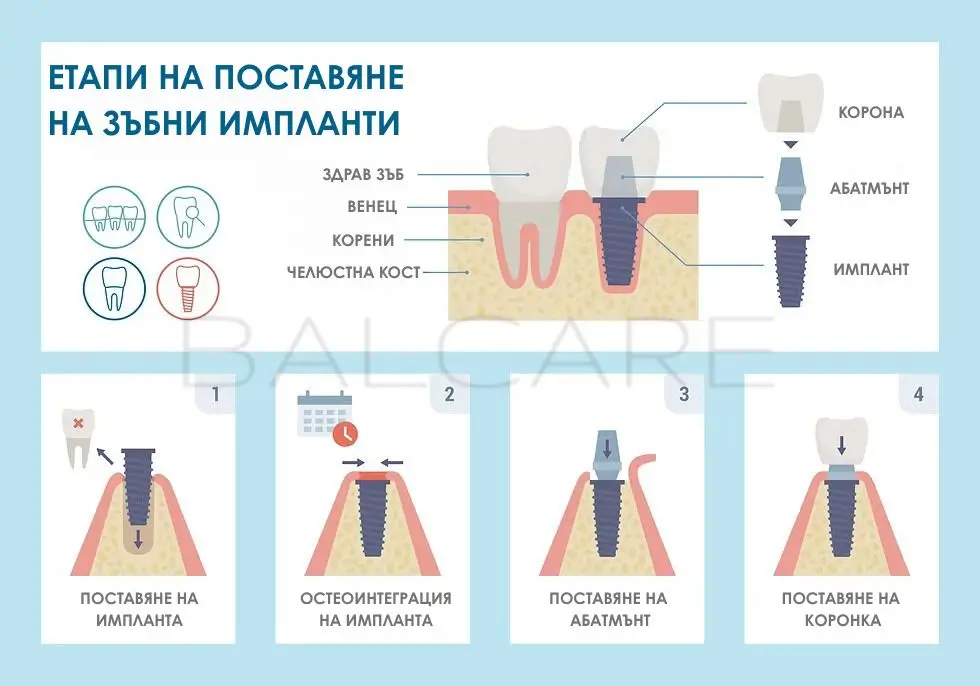
Dental Implant Placement Process

Dental implant placement is a proven, reliable, and highly effective solution for replacing missing teeth, restoring both function and the aesthetics of the smile.

The procedure consists of several clearly defined stages – diagnostics, surgical implant placement, osseointegration, implant exposure, and final prosthetic restoration.

Each stage has specific objectives and requires a high degree of precision, because successful implant treatment depends on accurate planning, appropriate materials, and the skills of the implant dentist.

Modern implant dentistry achieves success rates of more than 97%, particularly when patients follow oral hygiene instructions, avoid excessive loading during the healing period, and attend regular follow-up appointments.

In this article, you will learn how dental implant placement is carried out, what each stage involves, what to expect during recovery, and which symptoms may indicate possible complications.

You will also learn how diagnosis with 3D imaging is performed, what the first and second surgical stages involve, how osseointegration works, and how the final crown is produced.

The article also provides practical information about eating after implant placement, normal postoperative reactions, and the warning signs that require prompt professional consultation.

This is a comprehensive guide for patients who want to be informed and prepared for every stage of implant treatment.

What Does Dental Implant Placement Involve?

Dental implant placement is a surgical procedure used to replace missing teeth and their roots with an artificial titanium or zirconia implant that integrates with the jawbone and provides a stable foundation for the future dental crown.

It is a well-established treatment method that restores natural bite function without requiring preparation of healthy neighbouring teeth, which is one of its major advantages.

The implant is placed directly into the jawbone at the site of the missing tooth.

Before surgery, precise planning with 3D imaging is performed to determine the optimal implant position, dimensions, angle, and depth.

What Are the Stages of Dental Implant Treatment?

Dental implant treatment progresses through a series of carefully controlled phases, each with its own technical requirements, duration, and clinical objective.

These stages are designed to ensure that the implant is correctly positioned, successfully osseointegrated, and able to provide long-term function.

Stages of Dental Implant Placement

Stage What It Includes Main Objective Duration
Diagnostics 3D imaging, bone assessment, treatment planning Determining the precise implant position 1 appointment
First surgical stage Implant placement and any additional procedures if required Stable placement of the implant in the bone 30–90 minutes
Osseointegration Integration of the implant with the surrounding bone Biological stabilisation 3–6 months
Second surgical stage Implant exposure and placement of an abutment Preparation for prosthetic restoration 10–15 minutes
Prosthetic stage Impression or digital scan and fabrication of the crown Completion of treatment 1–2 weeks

What Happens During the Diagnostic Stage?

The diagnostic stage is one of the most important phases of the entire treatment because it determines the accuracy of implant positioning, size, and depth.

Comprehensive diagnostics are performed using 3D imaging, which provides a three-dimensional view of the jaw.

This allows the clinician to evaluate:

  • bone height;
  • bone width;
  • bone density;
  • the position of the maxillary sinuses;
  • the location of important nerves;
  • the optimal implant position.

The patient’s general health is also assessed, because conditions such as uncontrolled diabetes or active periodontal infection may influence the final treatment outcome.

Inadequate diagnostic planning may increase the risk of incorrect implant positioning and complications, including impaired osseointegration.

What Happens During the First Surgical Stage?

The first surgical stage involves placement of the implant in a sterile surgical environment under local anaesthesia or, when clinically appropriate, another form of anaesthesia or sedation depending on the patient’s health and treatment plan.

When necessary, additional procedures may be performed at the same time, including:

  • tooth extraction;
  • bone augmentation;
  • sinus lift to increase available bone volume.

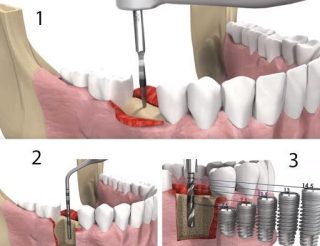
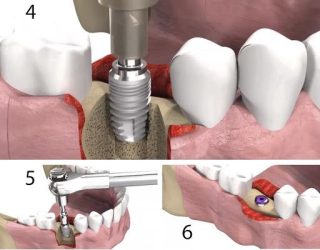
The surgeon carefully opens the gum, prepares the bone using precise surgical instruments, and positions the implant at the planned depth and angle.

The implant must achieve appropriate initial stability.

This stage requires a high level of professional precision because correct implant positioning directly influences osseointegration and long-term stability.

What Influences the Success of Implant Surgery?

Factor Significance Effect on the Implant
Bone quality Density and volume Determines primary stability
Implant position Angle and depth Supports correct loading
Surgical technique Precision Reduces the risk of complications
Oral hygiene Plaque and bacterial control Helps prevent infection

What Is Osseointegration?

Osseointegration is the biological process through which the surrounding bone gradually grows into close contact with the implant surface and stabilises it within the jaw.

This process usually takes approximately 3 to 6 months and is essential for long-term implant success.

Studies have shown that implants with specially designed microtextured surfaces may integrate more rapidly because their surface encourages attachment and activity of bone-forming cells.

During the osseointegration period, excessive chewing pressure on the implant should be avoided so that the developing stability is not disrupted.

What Happens During the Second Surgical Stage?

The second surgical stage is usually short and minimally invasive.

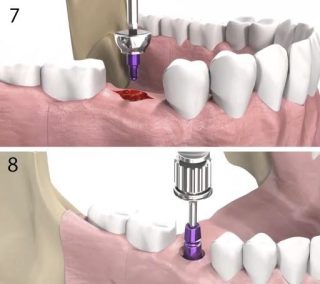
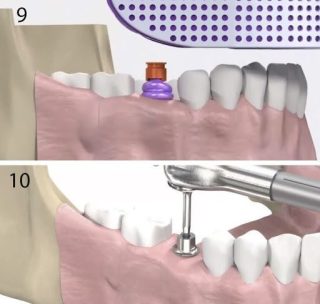
The implant is exposed through a small incision, and an abutment or healing component is placed.

The abutment is the element that connects the implant to the future crown.

The gum is shaped around it to create a natural soft-tissue contour.

After approximately two to three weeks, the treatment can proceed to impressions or digital scanning and the prosthetic stage.

What Happens During the Prosthetic Stage?

The prosthetic stage involves taking a conventional impression or digital scan of the teeth and implants.

A dental crown, bridge, or another type of restoration is then fabricated.

Possible materials include:

  • porcelain-fused-to-metal;
  • zirconia;
  • other highly aesthetic ceramic materials.

After the necessary try-ins and adjustments, the final crown is permanently attached to the abutment.

This is the final stage of treatment and restores both function and aesthetics.

Is Dental Implant Placement Painful?

Patients generally experience little or no pain during implant placement because modern anaesthesia and gentle surgical techniques are used.

You may feel pressure or vibration, but you should not feel sharp pain.

After the procedure, mild swelling and discomfort are normal and generally subside within several days.

What Is Normal After Dental Implant Placement?

Normal temporary reactions may include:

  • mild swelling;
  • discomfort;
  • bruising;
  • tenderness for up to approximately three days.

The clinician may prescribe pain-relieving medication and recommend cold compresses.

Good oral hygiene is essential, although the surgical area should usually be treated gently and direct brushing may need to be avoided during the first days according to the clinician’s instructions.

What Is Recommended and What Should Be Avoided After Implant Placement?

Recommended Avoid
Cold and soft foods Hot drinks
Cold compresses Alcohol and smoking
Antiseptic mouthwash when prescribed Hard and crunchy foods
Rest Chewing directly on the implant area

Eating After Dental Implant Placement

During the first 48 hours, cold or soft foods are generally recommended, such as:

  • yoghurt;
  • smoothies;
  • cream soups;
  • purées;
  • soft desserts or jelly.

These foods minimise mechanical loading on the surgical area.

After the first week, softer solid foods can gradually be introduced, although chewing directly over the implant site should still be avoided when instructed by the clinician.

The most important principle is to avoid unnecessary mechanical pressure during early healing because excessive loading may interfere with osseointegration.

Possible Complications After Dental Implant Placement

Complications are uncommon when the procedure is properly planned and postoperative instructions are followed.

Possible problems may include:

  • infection;
  • prolonged swelling;
  • excessive or premature loading;
  • failure of osseointegration;
  • implant instability.

Signs of Implant Failure

Symptoms that may indicate a problem include:

  • persistent or increasing pain;
  • implant mobility;
  • unpleasant odour;
  • purulent discharge;
  • gum recession around the implant.

If any of these symptoms occur, prompt professional evaluation is necessary.

Dental implant placement is a safe, modern, and long-lasting treatment option with a very high success rate when performed by a qualified implant dentist and supported by appropriate oral hygiene and regular follow-up care.

Accurate diagnostics, careful surgical technique, high-quality materials, and strict adherence to each treatment stage are key factors in achieving long-term implant stability and restoring a natural, functional smile.


all-on-4-denatalna-klinika-balcare.jpeg
12/Nov/2025

Types of Dental Implants – Which Option Is Best for Your Case?

Dental implants are one of the most modern and reliable solutions for replacing missing teeth. They provide stability, a natural appearance, and full chewing function and can be used to replace one, several, or all missing teeth.

In this article, we will look at the main types of dental implant solutions, their role, how implant placement is performed, the advantages of each method, and how the most appropriate option is selected according to your individual needs.

You will also find practical information based on the experience of implant dentistry, together with advice on implant maintenance and long-term durability.

What Is a Dental Implant?

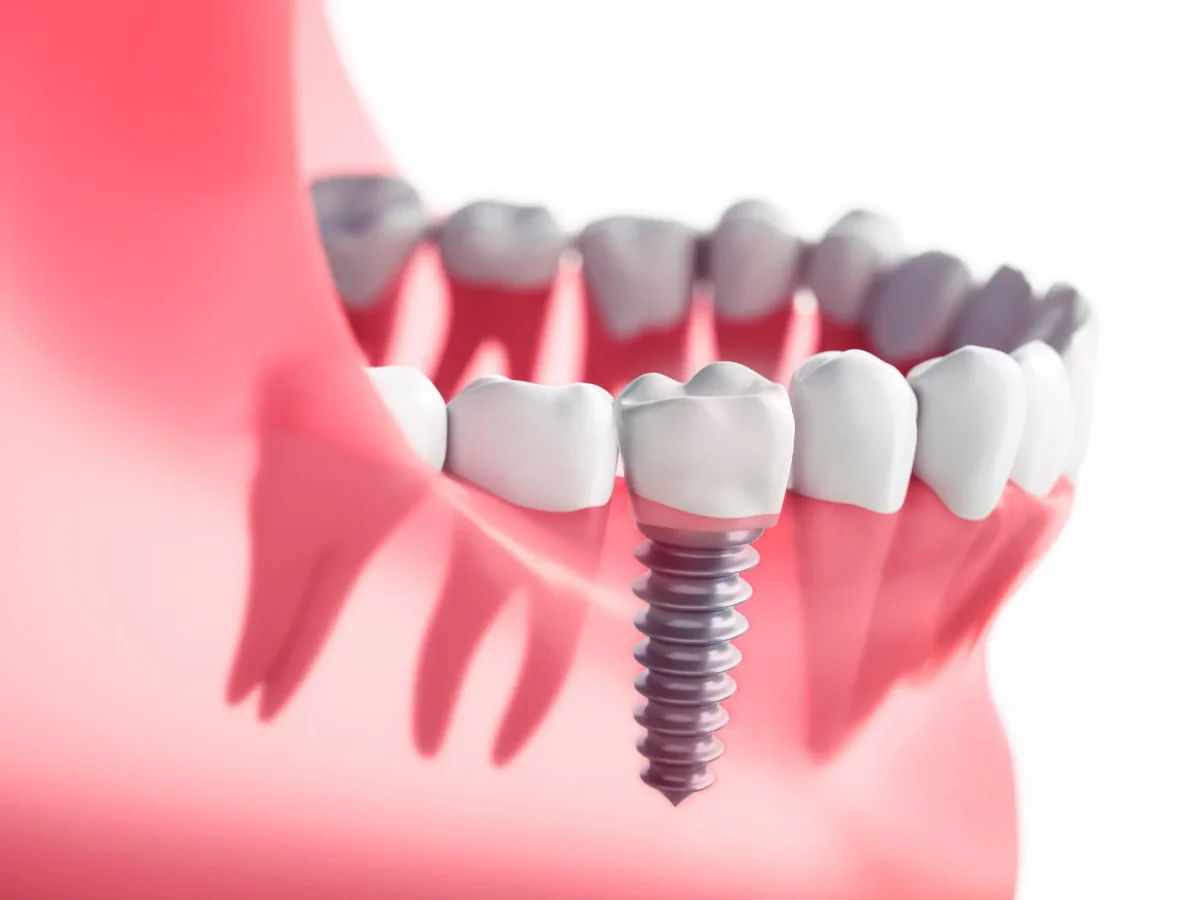
A dental implant is a small titanium screw that is surgically placed into the jawbone, where it functions as an artificial tooth root.

The implant becomes integrated with the surrounding bone through a process known as osseointegration, providing a stable foundation for a crown, bridge, or denture.

Modern technology allows implant-supported restorations to look and function very similarly to natural teeth.

With appropriate care, dental implants can remain functional for many years and may last a lifetime, while also helping preserve the jawbone and reduce bone atrophy.

What Are the Main Types of Dental Implant Solutions?

Today, there are several main types of implant-supported restorations. The most appropriate option depends on the number of missing teeth and the type of restoration required.

1. Single-Tooth Dental Implant

A single dental implant is used when only one tooth is missing.

The implant is placed in the position of the missing tooth root, and a dental crown is then attached to restore the shape and function of the natural tooth.

Advantages:

  • restores chewing function and a natural appearance;
  • helps preserve the surrounding bone;
  • does not require preparation of healthy neighbouring teeth, unlike a conventional bridge;
  • provides a long-term solution with excellent stability.

The procedure is usually performed under local anaesthesia, followed by a healing period of several months to allow the implant to integrate fully with the bone.

2. Implant-Supported Bridge

When two or more neighbouring teeth are missing, an implant-supported bridge may be an appropriate solution.

In this case, two or more dental implants provide stable support for a bridge replacing several missing teeth.

Advantages:

  • allows several missing teeth to be restored at the same time;
  • provides excellent stability and a natural appearance;
  • helps preserve the jawbone and reduce bone atrophy;
  • may require fewer implants than replacing every missing tooth individually.

This treatment can offer an excellent balance between function, stability, and cost-effectiveness.

3. Full-Arch Implant-Supported Restoration

When all teeth are missing in one or both jaws, a full-arch implant-supported restoration may be the most appropriate solution.

In this type of treatment, usually four to six implants are placed to support a stable dental prosthesis.

These concepts are commonly known as All-on-4 or All-on-6, depending on the number of implants supporting the restoration.

Advantages:

  • provides a fixed, stable, and aesthetic solution;
  • allows comfortable eating;
  • restores the smile and supports facial appearance;
  • is particularly suitable for patients with complete tooth loss.

Modern full-arch implant-supported restorations can be made from zirconia or high-quality ceramic materials, providing durability, excellent aesthetics, and resistance to staining.

4. Implant-Retained Overdentures

An implant-retained overdenture is a removable denture that is stabilised on two to four implants using special attachments.

Advantages:

  • provides significantly greater stability than a conventional removable denture;
  • improves chewing comfort;
  • may help reduce bone loss;
  • offers a more affordable alternative to a fully fixed restoration.

This option is often preferred by patients who want greater security and comfort while still being able to remove the denture for cleaning.

Which Type of Dental Implant Treatment Is Right for You?

The choice of implant treatment depends on several factors, including:

  • the number of missing teeth;
  • the condition and volume of the jawbone;
  • gum health;
  • your general health;
  • bite and functional requirements;
  • individual expectations.

Your implant dentist will perform a comprehensive assessment using 3D imaging (CBCT) to evaluate bone volume and density.

If there is insufficient bone, bone grafting may be required before or during implant placement.

In most cases, an individual treatment plan is prepared, including implant placement, the final crown or prosthetic restoration, and monitoring of the healing process.

How Is Dental Implant Placement Performed?

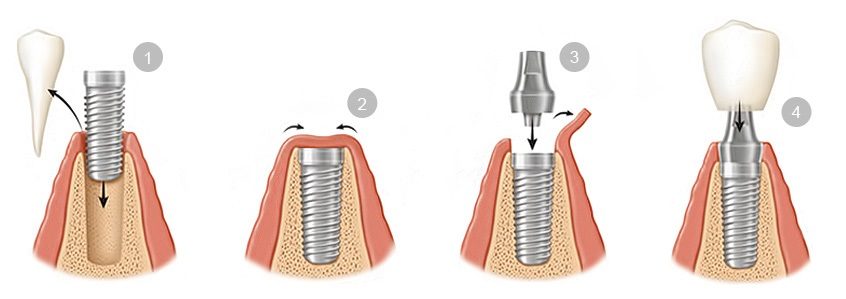
Implant treatment generally consists of several main stages:

Diagnosis and Treatment Planning

A clinical examination and 3D scan are performed to determine the precise position of the implant.

Implant Placement

The implant is surgically inserted into the jawbone. The procedure is performed under local anaesthesia and is designed to be comfortable for the patient.

Osseointegration

A healing period of approximately 3 to 6 months allows the implant to integrate with the surrounding bone.

Placement of the Abutment and Crown

During the final stage, the abutment and the visible prosthetic restoration are placed to restore the missing tooth.

Modern implant systems may also allow immediate loading in selected cases, meaning that the patient can receive a temporary fixed tooth or restoration on the same day.

What Are the Benefits of Dental Implants?

Dental implants do more than restore the appearance of the smile. They also support the health and function of the entire oral cavity.

They can:

  • help prevent bone loss;
  • support the natural contours of the face;
  • improve speech and chewing;
  • restore confidence and a natural-looking smile;
  • avoid the need to prepare neighbouring healthy teeth.

According to data cited by the American Academy of Implant Dentistry, success rates for modern dental implants exceed 97%, making implant treatment one of the most reliable procedures in dentistry.

How Should You Care for Dental Implants?

Proper maintenance is essential for the long-term success of dental implants.

Follow these basic recommendations:

  • maintain excellent oral hygiene and brush your teeth twice daily;
  • use dental floss or interdental brushes;
  • attend regular preventive dental examinations;
  • avoid smoking, as it may reduce implant success and impair healing.

With appropriate care, dental implants can remain stable and functional for many years and, in suitable circumstances, may last a lifetime.

Your Smile Deserves the Best

Dental implants are one of the most reliable and aesthetic solutions for replacing missing teeth.

Whether you need a single dental implant, an implant-supported bridge, or a full-arch All-on-4 restoration, modern implant dentistry offers individual solutions for different clinical situations.

At BalCare Dental Clinic, we use modern technology, 3D diagnostics, and high-quality implant systems to restore your smile with maximum precision, stability, and a natural appearance.


zybni-implanti-polzi-dentalna-klinika-balcare-1200x800.webp
07/Nov/2025

Dental Implants – Benefits, Recovery and What You Should Know Before the Procedure

Losing a tooth is not only an aesthetic issue but also a functional problem that can affect your bite, speech, and self-confidence. Modern dentistry offers a reliable and long-lasting solution – dental implants.

They restore the natural function of the missing tooth and provide a sensation that is very similar to that of natural teeth.

In this article, we will take a detailed look at the implant placement process, the different types of implants, their advantages and possible risks, as well as the main arguments for and against dental implant treatment, based on the extensive clinical experience of the implant dentists at BalCare Dental Clinic.

How Is a Dental Implant Placed?

Dental implant placement is a surgical but routine and highly precise procedure performed under local anaesthesia.

It generally consists of several main stages:

1. Diagnosis and Treatment Planning

X-rays and 3D computed tomography are performed to evaluate the bone structure and the condition of the gums.

This allows the implant dentist to determine the appropriate implant type, size, and position.

2. Implant Placement

The implant – a titanium or zirconia screw – is placed into the jawbone.

The procedure is painless under effective modern local anaesthesia.

3. Osseointegration – Healing and Integration with the Bone

During the following 2 to 6 months, the surrounding bone integrates with the implant surface, creating a strong and stable foundation.

4. Placement of a Healing Abutment

A healing abutment or gingival former is placed for approximately one month to shape the gum tissue around the implant.

This creates an appropriate soft-tissue contour for the temporary and subsequently the final crown.

5. Placement of the Abutment and Crown

After successful osseointegration, a connecting component called an abutment is attached to the implant.

The final dental crown is then placed on the abutment and is individually designed to resemble the natural teeth in shape, strength, and colour.

Types of Dental Implants According to Material

Dental implants are commonly made from titanium or zirconia – two materials known for excellent biocompatibility and durability.

The choice depends on the implant position and the patient’s individual aesthetic and clinical requirements.

Titanium Dental Implants

Titanium is considered the gold standard in implant dentistry.

It is lightweight, durable, and highly biocompatible with the human body.

Its advantages include:

  • high mechanical strength;
  • excellent durability;
  • predictable osseointegration.

Titanium implants are suitable for almost all areas of the oral cavity and have a reported success rate of more than 97%, according to the European Association for Osseointegration (EAO, 2024).

Zirconia Dental Implants

Zirconia is often preferred in areas with particularly high aesthetic requirements, especially in the anterior region.

Because of its white colour, it is less likely to show through thin gum tissue, which can help achieve a highly natural appearance.

Zirconia is hypoallergenic and biocompatible, making it a possible option for patients with sensitivity to metals.

Possible Side Effects

As with any surgical procedure, dental implant placement carries certain risks, although complications are uncommon.

The most frequently discussed potential complications include:

  • infection at the implant site;
  • temporary nerve or soft-tissue injury;
  • problems with implant integration, when the implant does not properly integrate with the surrounding bone.

These complications are rare, particularly when treatment is performed by an experienced implant dentist and postoperative instructions are carefully followed.

Regular preventive examinations and excellent oral hygiene help prevent many complications.

Dental Implant Maintenance

Good oral hygiene is essential for the long-term success of dental implants.

It is recommended to:

  • brush daily with a soft toothbrush and appropriate toothpaste;
  • use dental floss or interdental brushes;
  • use an antibacterial mouthwash when recommended;
  • attend professional cleaning and follow-up appointments twice a year.

Dental Implants: Pros and Cons – What Should You Know?

Criterion Advantages of Dental Implants Possible Disadvantages / Limitations
Aesthetics Implants can look very similar to natural teeth and help preserve facial contours. Additional bone grafting may be required when bone or gum tissue is insufficient.
Function They restore chewing function and support normal speech. A period of osseointegration is required, usually 2–6 months.
Effect on neighbouring teeth Healthy neighbouring teeth do not need to be prepared as they do for conventional bridges. Surgical treatment under local anaesthesia is required.
Longevity They can function for decades, often more than 20 years with proper care. The initial investment is higher compared with removable dentures.
Comfort They feel natural and do not move like removable prostheses. Temporary postoperative discomfort may occur in rare cases.
Maintenance They require routine oral hygiene – brushing, interdental cleaning, and professional care. Poor oral hygiene may lead to inflammation around the implant, including peri-implantitis.
Psychological effect They can restore confidence and improve the patient’s smile. Some patients may initially feel anxious about the surgical procedure.

Advantages of Dental Implants

  • They restore both the function and aesthetics of the smile.
  • They do not require preparation of neighbouring healthy teeth, unlike conventional bridges.
  • They provide a stable bite and help prevent bone atrophy.
  • They have a long lifespan – often more than 20 years with appropriate care.
  • They can improve confidence and comfort when speaking and eating.

Disadvantages or Limitations

  • They require a surgical procedure, although it is usually minimally invasive.
  • Osseointegration requires time and may take several months.
  • The initial cost is higher, although this may be balanced by their long-term durability.

Summary Based on the Clinical Experience of the BalCare Implant Team

From a clinical perspective, dental implants are one of the most reliable and predictable solutions for replacing missing teeth.

Modern technologies such as 3D diagnostics, computer-guided implant surgery, and biocompatible materials help minimise risk and allow planning with a very high degree of precision.

Although dental implants require a surgical procedure and a healing period, the results can be long-lasting, stable, functional, and highly aesthetic.

Financial Considerations and Long-Term Value

Dental implants represent an investment in quality of life.

Although the initial cost may be higher than that of other tooth-replacement options, their durability and functionality can make them more cost-effective over the long term.

While bridges and removable dentures may need replacement after approximately 5–10 years, a properly placed and well-maintained dental implant can remain functional for decades.

Dental implants are not only a technological achievement but also a major biological advancement in modern dentistry.

They offer stability, aesthetics, and confidence – three qualities that can significantly change the way patients feel about their smile.

When placed by an experienced specialist and properly maintained, implants may provide a lifelong solution.

The team at BalCare Dental Clinic provides a safe, precise, and individual approach to every patient – because a healthy smile begins with trust.

Take the First Step Towards a New Smile

If you are considering dental implants in Sofia, choose BalCare Dental Clinic – a place where experience, technology, and patient care come together.

Book a consultation with an experienced implant dentist and discover how comfortable, predictable, and carefully planned restoring your smile can be.

How Can You Book an Appointment for Dental Implants in Sofia?

Convenient Location in Central Sofia

BalCare is located in a convenient and easily accessible area in central Sofia, at the corner of Al. Stamboliyski Blvd. and Eng. Ivan Ivanov St.

A large nearby car park makes it convenient for patients arriving by car.

If you prefer to use public transport, the clinic can be reached by:

  • metro;
  • tram lines 3, 4, 8 and 10;
  • bus 60.

If you are ready to take the next step towards protecting and restoring your dental health, booking an appointment for dental implant treatment at BalCare is easy.

You can visit our Contact page, call our friendly team, or visit the clinic in central Sofia.


vadene-na-mlechen-zyb-dentalna-klinika-balcare.jpg
09/Jun/2025

Млечните зъби играят ключова роля в развитието на устната кухина при децата. Макар и временни, тяхното правилно поникване, поддържане и навременно изваждане са от съществено значение за здравето на постоянните зъби и за формирането на правилна захапка. В тази статия ще разгледаме кога се налага вадене на млечен зъб, какви са подходите, какви рискове съществуват и какви специалисти участват в процеса.


karies-mlechni-zybi-dentalna-klinika-balcare.jpg
03/Jun/2025

Кариесът на временните зъби не е изобщо за неглижиране (някои родители казват ,, за какво да ги лекуваме тези зъби, като те ще паднат), защото те имат дъвкателна, говорна, естетична функция, участват в развитието на челюстите и пазят място за идващите постоянни зъби. Лечението на зъбен кариес при деца се основава на същите принципи, които се прилагат и при възрастните, но с адаптирани подходи, съобразени с възрастта, етапа на пробив на зъбите и степента на сътрудничество от страна на детето. Правилното лечение на кариес при млечни зъби е изключително важно, тъй като то влияе пряко върху подреждането, здравето и пробива на постоянните зъби в бъдеще.


korenovo-lechenie-pod-mikroskop-dentalna-klinika-balcare.jpg
25/May/2025

At BalCare Dental Clinic Sofia, we offer modern and gentle root canal treatment (endodontic treatment) under a microscope, which significantly increases the efficiency, safety, and durability of the result. Using a specialized endodontic microscope, our specialists can work with up to 40x magnification, ensuring exceptionally precise processing and diagnostics during root canal treatment. We use a Semorr endodontic microscope equipped with a built-in 4K Ultra HD digital camera, which allows for detailed visualization of the tooth structure in real time, as well as capturing photos and videos in exceptionally high resolution.


payment-cards-dentalna-klinika

Copyright by BalCare2026. All rights reserved.

Call Now Button